Immersive experiences
Uncover authentic local experiences that connect you to the heart of a place.

You’ve travelled far from home, excited to see, do and eat new things, only to be greeted by the same fast-food chains you passed in the airport. Sound familiar? As mass tourism grows, many authentic local menus are being altered for travellers, while climate change and rising costs make traditional ingredients harder to source.
This means some dishes are becoming harder to find – and that’s why we’ve teamed up with leading food experts to identify a list of 10 Endangered Dishes worth seeking out on your next trip.
These dishes rely on ingredients that are becoming harder to grow, catch or source as climates shift and environments change.
Tourism and globalisation are changing menus, and local dishes are being diluted or replaced as a result.
With economic and social pressures changing the way people live and work, fewer traditions are being passed on.

Northern Portugal
What is it? A slow-braised rabbit stew infused with white wine, garlic, bay leaves, paprika and wild herbs, served with Cuscos Transmontanos – a traditional Portuguese wheat pasta hand-rolled from flour, water and salt.
Why is it endangered? Making Cuscos Transmontanos is hard work and fewer people are learning how to do it. Combined with the decline of traditional farming practices, the dish has become increasingly rare, even in Portugal.

The Philippines
What is it? A sweet sticky rice dessert topped with caramelised coconut cream and shaped like a tongue.
Why is it endangered? Inanchila is made using Chaykot rice, an Indigenous variety grown by the Kalinga people in Pasil Valley. As demand declined, both the rice and the dessert nearly disappeared. Today, local farmers are keeping the tradition alive.
You can try this dish on our Northern Philippines Highlights trip.

South Africa
What is it? Soft, lightly sweet buns made with mos – freshly crushed grape juice still containing skins and seeds. Traditionally enriched with butter or lard and scented with aniseed, they’re a staple of the Western Cape.
Why is it endangered? Traditional mosbolletjies rely on time, fermentation and old baking methods, so commercial shortcuts like instant yeast and margarine are becoming more common. This is changing both the flavour and the process, putting the original version at risk.
You can try this dish on our Okavango Experience trip.
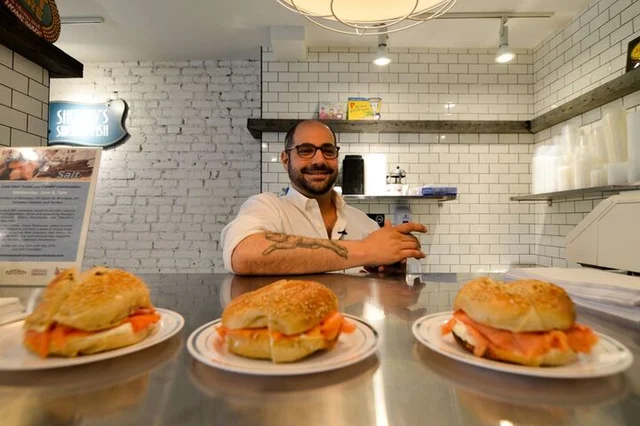
New York
What is it? A traditional New York bagel made from dough proved overnight, shaped by hand, boiled, then baked.
Why is it endangered? You can still find bagels all over New York, but the traditional hand-rolled, kettle-boiled kind are harder to come by. As old-school delis close and mass production takes over, the city’s original bagel-making traditions are slowly disappearing.
You can try this dish on our New York: Taste the American Dream day tour.
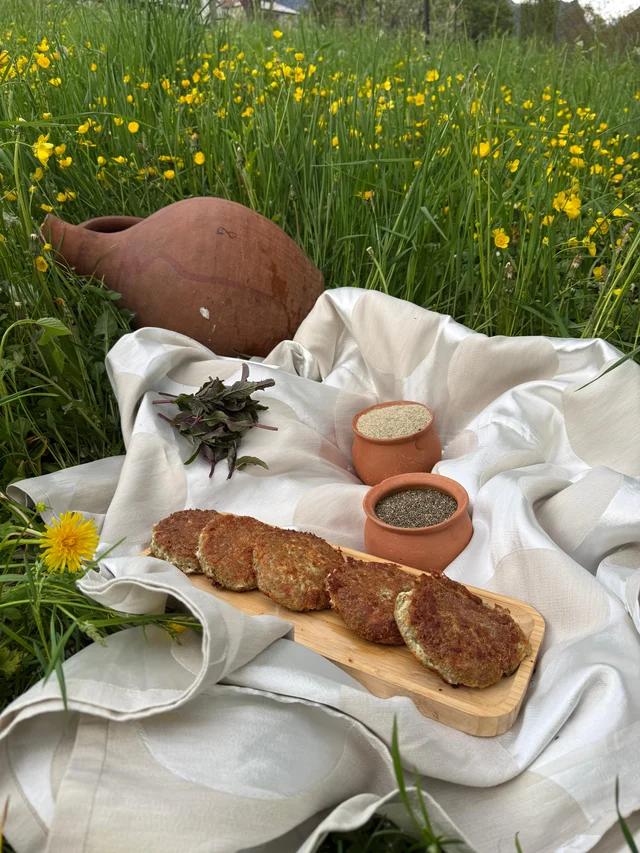
Georgia
What is it? A savoury patty made from Petkhvis, a rare variety of black millet native to Georgia, mixed with egg and cheese.
Why is it endangered? Most cvishtvari is now made with cornmeal instead, but farmers and cooks in Svaneti and Tbilisi are working to preserve the black millet version – and its richer, nuttier flavour – before it disappears altogether.
You can try this dish on our Georgia Adventure trip.

Hong Kong
What is it? Oversized soup dumplings filled with rich broth and pork, sealed by hand and steamed fresh.
Why is it endangered? Making soup dumplings properly takes years to master. While they’ve become globally popular, many are now mass-produced, replacing the precision and craft behind the traditional version.
You can try this dish on our China Real Food Adventure trip.

London
What is it? A spiral of enriched dough filled with currants, brown sugar and spice, finished with a sticky glaze. First sold in 18th-century London, it became a favourite among working Londoners and royalty alike.
Why is it endangered? The Chelsea Bun has slowly fallen out of flavour, edged out by trendier pastries and changing tastes. These days, you’re more likely to spot a cinnamon roll than one of London’s oldest baked goods in a bakery.
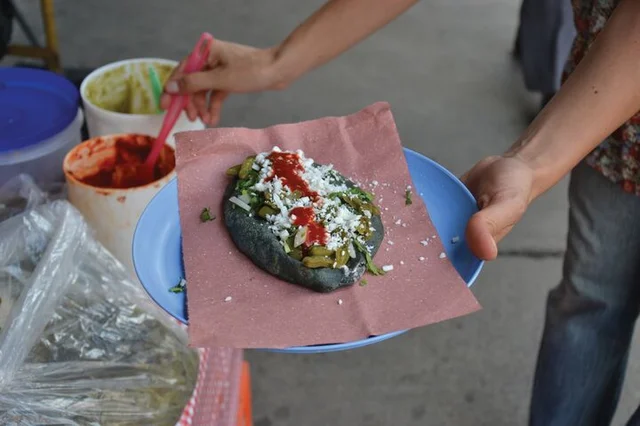
Mexico
What is it? Pre-Hispanic street food made from nixtamalised corn dough, often filled with beans or chicharron and topped with cheese, nopales and salsa.
Why is it endangered? Climate change is disrupting growing cycles, while imported corn and industrial farming have reduced demand for biodiverse native corn varieties. Indigenous women selling tlacoyos in Mexico City continue to preserve both heirloom corn and traditional cooking methods through their work.
You can try this dish on our Mexico Unplugged trip.
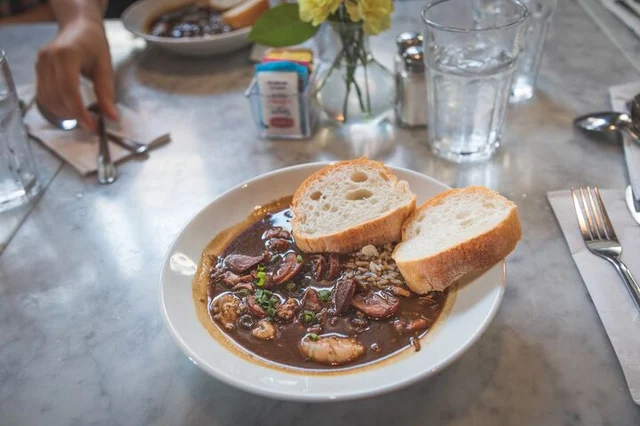
New Orleans
What is it? A rich stew made with onions, celery and bell peppers, thickened with file powder and then enriched with seafood, chicken, sausage or shellfish.
Why is it endangered? File powder was once central to gumbo-making, but today it’s often replaced or used sparingly. Meanwhile, the Gulf seafoods that define many traditional gumbos face growing environmental pressures, while fewer younger generations are continuing family fishing traditions.
You can try this dish on our New Orleans French Quarter Food Experience day tour.
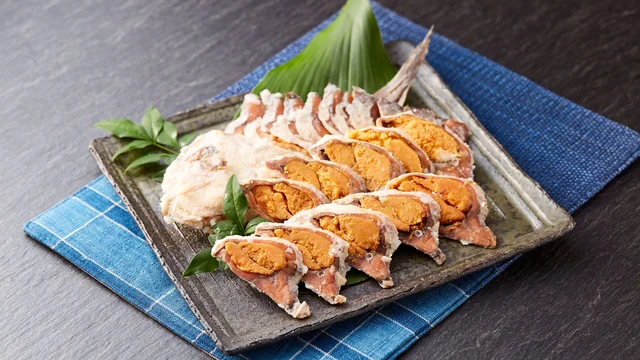
Osaka
What is it? Long before nigiri, there was narezushi: fish packed in salt and rice, then fermented for months or even years. This preservation method dates back to the 8th century.
Why is it endangered? Funazushi, the Osaka-region variation, traditionally uses nigorobuna carp from Lake Biwa. Habitat loss and invasive species have pushed the fish towards extinction, while changing tastes have left only a handful of specialist producers still making narezushi the traditional way.
This list was researched and curated by Dan Saladino and Yasmin Khan. They drew on their own research and previous work, as well as interviews with local food experts and chefs around the world.
Dan Saladino has been a broadcaster and food journalist for more than 20 years. His books, Eating to Extinction: The World’s Rarest Foods, Why We Need to Save Them and From the Sea, are epic journeys into the history and future of food, and have involved years of travel and story collecting.
Yasmin Khan is an award-winning author and broadcaster whose work explores the intersection of food, culture and travel. Her bestselling books, The Saffron Tales, Zaitoun, Ripe Figs and Sabzi, celebrate the food and people of the Middle East and Eastern Mediterranean, sharing stories of human connection from places more commonly associated with conflict.
Uncover authentic local experiences that connect you to the heart of a place.
We’ve specialised in real, rare and remarkable small group adventures since 1989.
Our passionate leaders are genuinely connected to the places we go and the people we meet.
Connect and share experiences with a community of spirited explorers who care about the planet.