Down in India’s most southern state, tranquil backwaters give way to tropical jungles, abundant beaches, tea plantations and wildlife.
Like many people travelling to India with a full-time job, I really had to pick and choose where I went to get the most out of a fairly short trip. Locals call Kerala ‘God’s own country’ for good reason and the state was a non-negotiable on my travel itinerary from the start. So, here are five reasons why it should be on yours, too.


1. It’s completely unique to the rest of India
Tourist hubs like Delhi and Jaipur feel incredible, yes – but sometimes hectic, too. But in Kerala, relaxation practically oozes out of the warm, tropical air, where the pace of life is slower and calmer.
The southern state’s port city of Kochi on the Malabar Coast is diverse in every sense, even down to the various religions practiced here. In the historic seaside district of Fort Kochi, you can see a Hindu temple, a church and a synagogue all practically on the same street, while hearing a Muslim call to prayer from a nearby mosque. You can also find traditional Chinese fishing nets and 16th-century Portuguese houses from the colonial era, all adding to the cultural richness of Kochi today.
Three must-visit places in Kerala, according to one of Intrepid’s local leaders, Sana Jinah:
‘When travelling in Kerala, I recommend Kochi for the history, Munnar for the peaceful vibes, mountains and tea plantations, and Varkala for amazing views of the sea from the cliff – it’s the only beach in India which is next to a cliff.’
2. You can see wild animals in their natural habitat
With ethical tourism a huge concern, the only way to truly see animals with a clear conscience is in their natural habitat. Happily, you can find abundant responsible wildlife-viewing opportunities in Kerala, especially at Periyar National Park, nearly 1000 square kilometres of jungle, trekking paths and lakes that are bursting with nature.
Periyar is designated as a tiger reserve. However, with only 35 Bengal tigers in the park, seeing them is rare, so keep an open mind and look out for other wildlife – such as Asian elephants and the more than 260 species of bird that live within the park.
I turned up at Periyar National Park woefully out of season in the depths of the monsoon and still managed to see black monkeys, water buffalo and the briefest glimpse of a big cat running ahead of us – which my guide later said was a leopard.


3. The landscape is dreamy
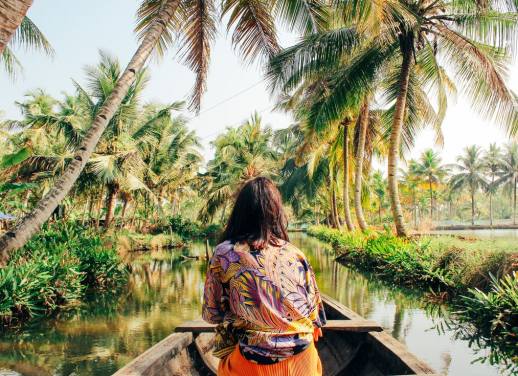
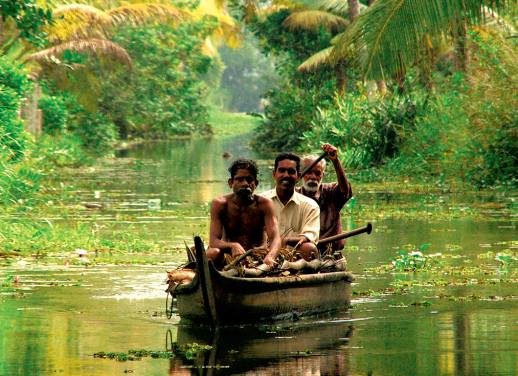
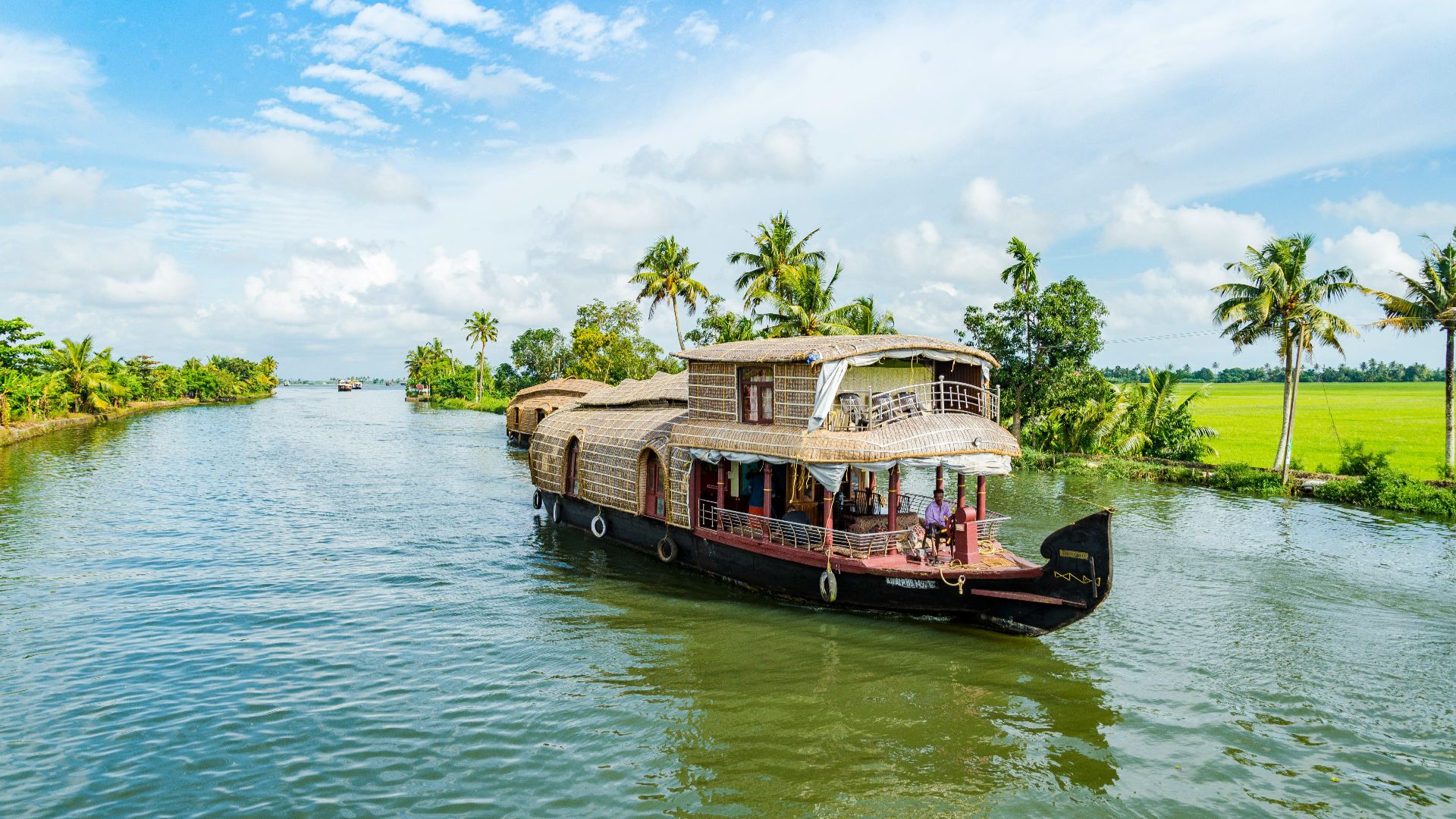
Wake up on one of the long wooden houseboats that glide along Kerala’s tranquil backwaters and you’ll think you’ve arrived in paradise. One of the main reasons travellers come to the southern state, this complex chain of lakes and lagoons leads inland from the Malabar Coast. After a long few months travelling or a stressful period at work, I’d venture there are few places you’d rather be.
Once used for transporting rice and spices around the state, the long wooden houseboats are now mostly for tourists – some even have onboard hot tubs and personal chefs. You can spend a few days traversing the maze of backwaters – or experience them for just a day, as I did.
Read more: Everything you need to know about overnight trains in India
4. You’ll have the best meal of your life, three times a day
The best food I’ve ever eaten was in Kerala, where the state’s coastal cuisine blends delicate spices with fresh fish and mild coconut-rich sauces with spikes of heat.
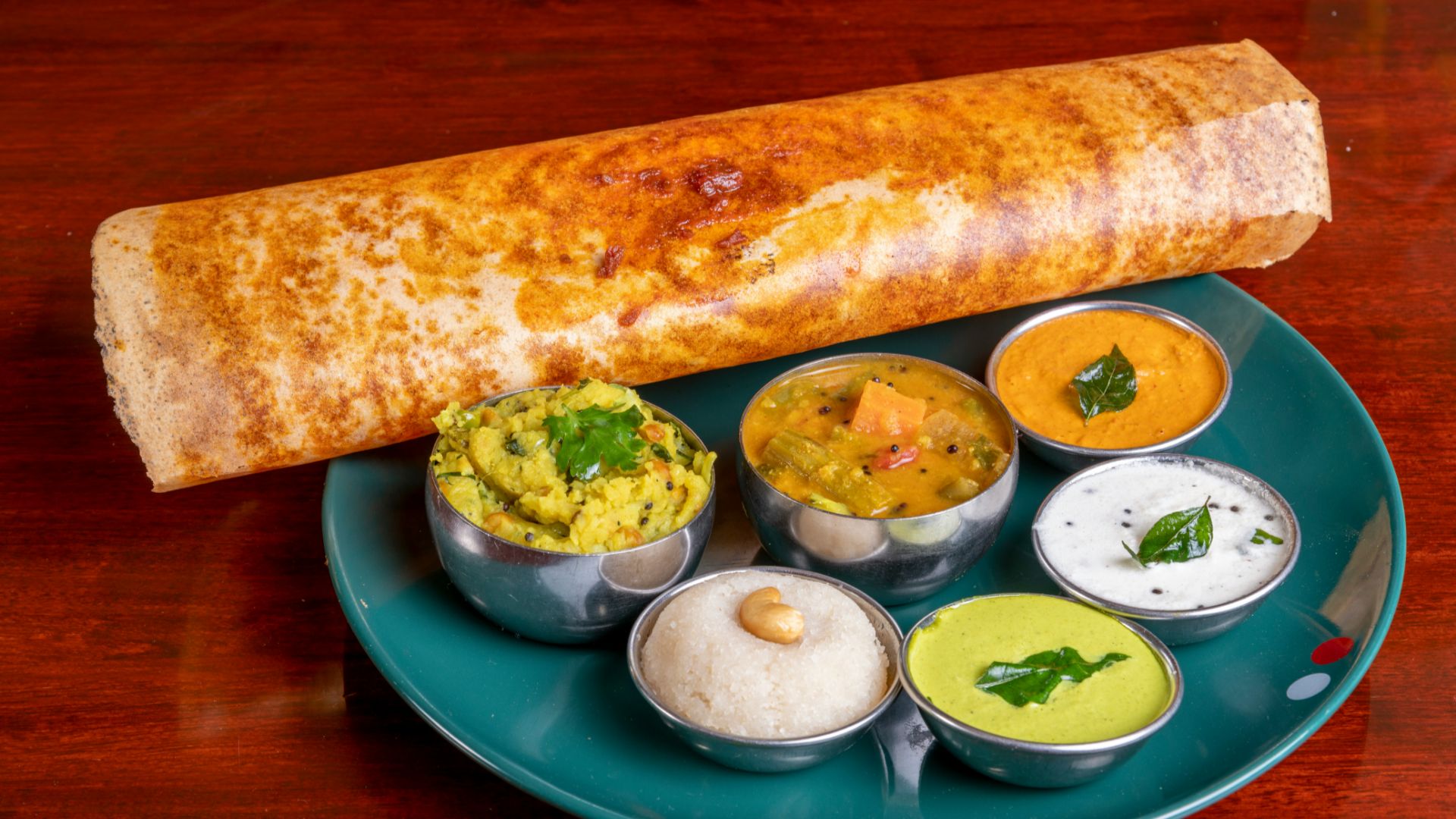
The real star of the show is the Keralan dosa, a paper-thin crepe that can be loaded with coconut chutney, masala potatoes and a sour lentil and tamarind broth, known as sambar. This is traditionally served for breakfast, but you can find it all day long in one of Kerala’s many restaurants and homestays. The state’s close connection to the Arabian Sea means that fresh fish is never off the menu, either. Try it fried and served on a banana leaf with coconut chutney.
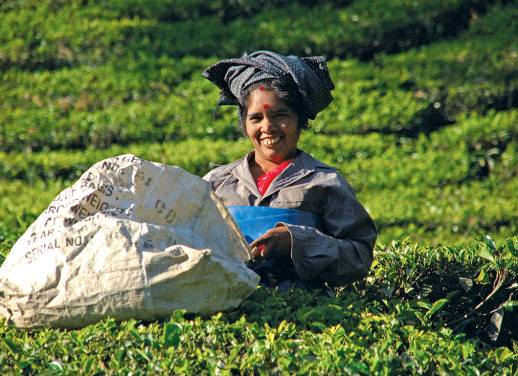
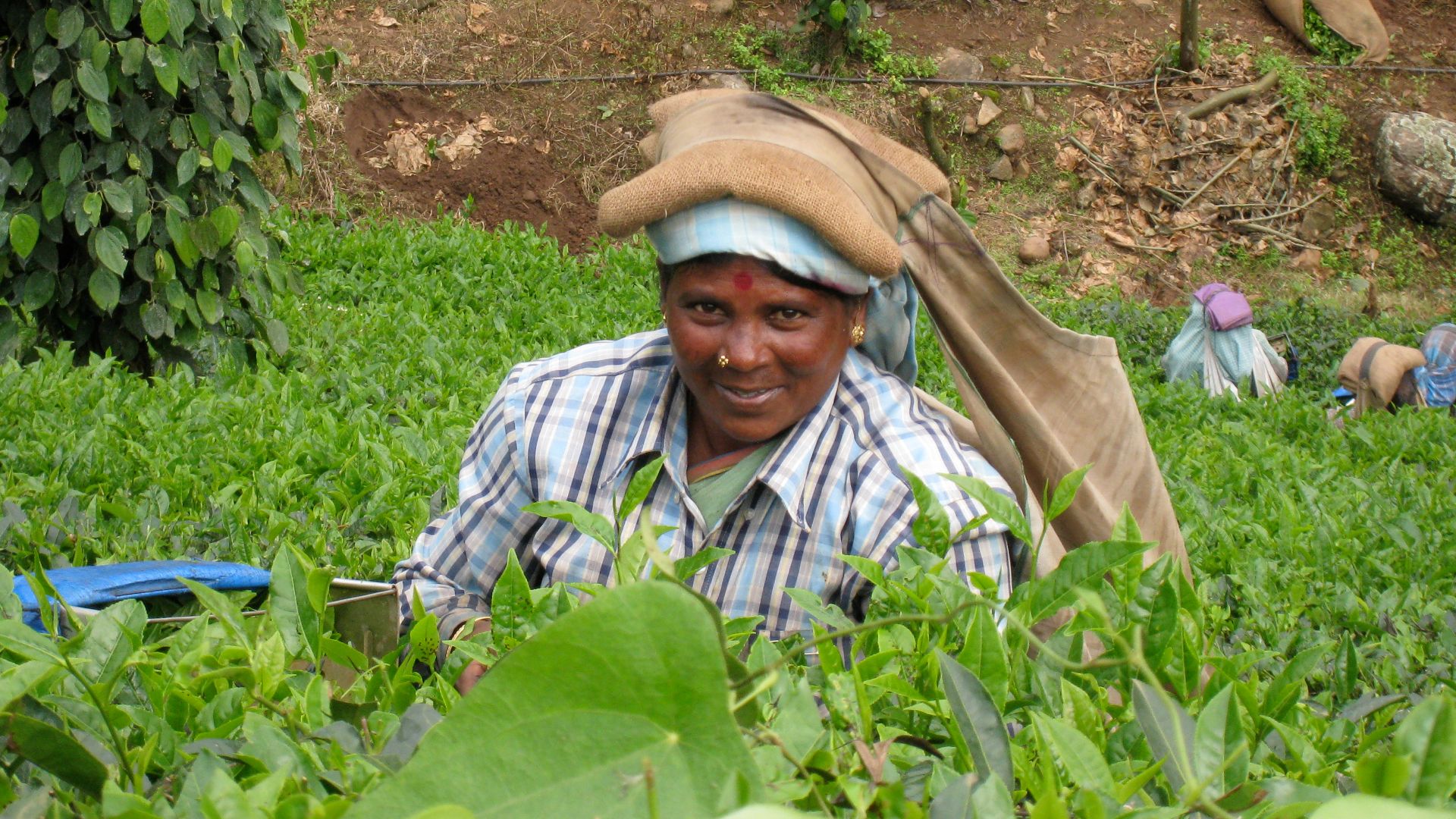
It’s not just the food that makes Kerala unique. Turn up at a tea plantation – especially around the hill station of Munnar – to gaze across at the fields where the tea leaves were grown and drink the freshest cup of your life.
Read more: Chai Lord reveals the culture of India’s national drink
5. You can learn about the local way of life
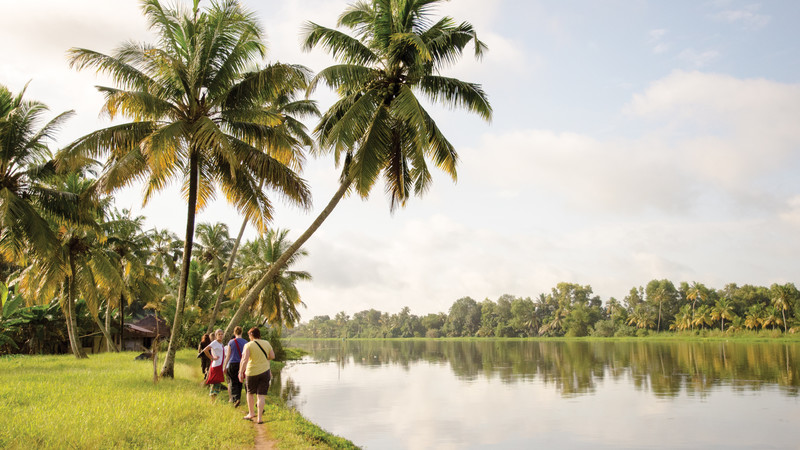
It’s one thing to just pass through a country, it’s another to connect with locals and learn about their way of life. On some of Intrepid’s trips to Kerala, such as the South India Revealed adventure, you can spend the night in an island village offshore from Alleppey with a local family, with the chance to explore the island with your host and learn from the people who call this place home.
After all, there’s nothing quite like sitting around a table in someone’s home who was a mere stranger moments ago and sharing stories over a traditional home-cooked Keralan meal. This intimate moment offers you the chance to learn about their culture, ask questions and get the most out of your experience. That’s more than just a holiday in my book.
Head south on your next Indian adventure and explore Intrepid’s small-group trips in Kerala.