Despite Japan’s accessible size (smaller than California), the majority of travellers miss out by confining themselves to the main island of Honshu. Head south, says Robert Schrader.
While many of Japan‘s most impressive attractions are concentrated in central Honshu – between Kyoto and Tokyo, more or less – you do yourself a huge disservice by not exploring the periphery of the Land of the Rising Sun, particularly its southern section.
With vast landscapes and dramatically fewer tourists than the rest of the country, Japan’s south is in some ways its most authentic region, and certainly the least explored. Whether you see these underrated reaches of Southern Japan as part of an Intrepid tour, or build them into your own itinerary, you won’t regret leaving Honshu behind. In fact, it might just be your Japan holiday highlight.
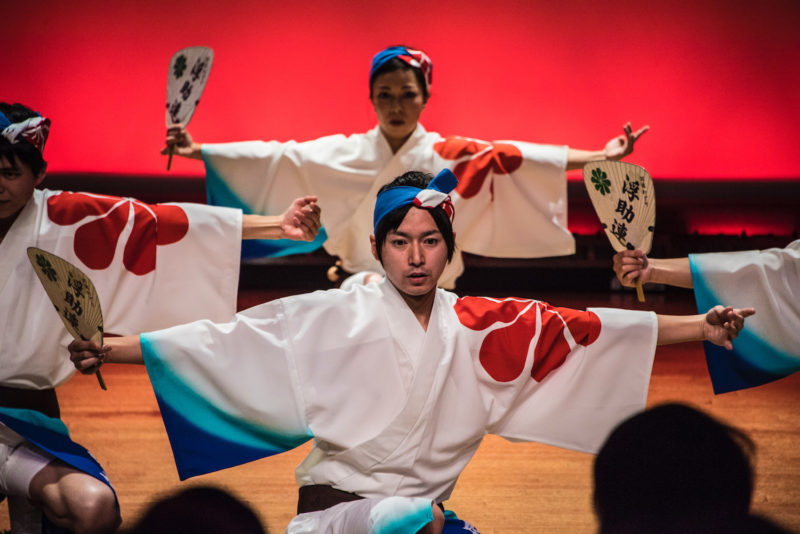
Trace Shikoku’s pilgrimage trail
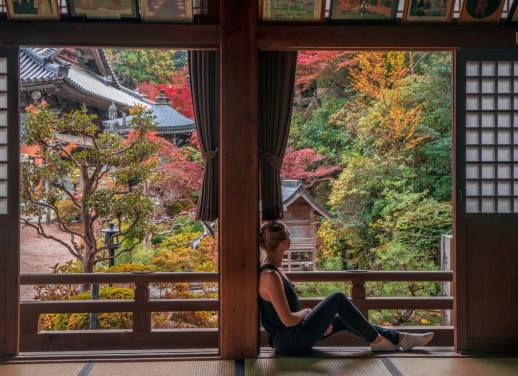
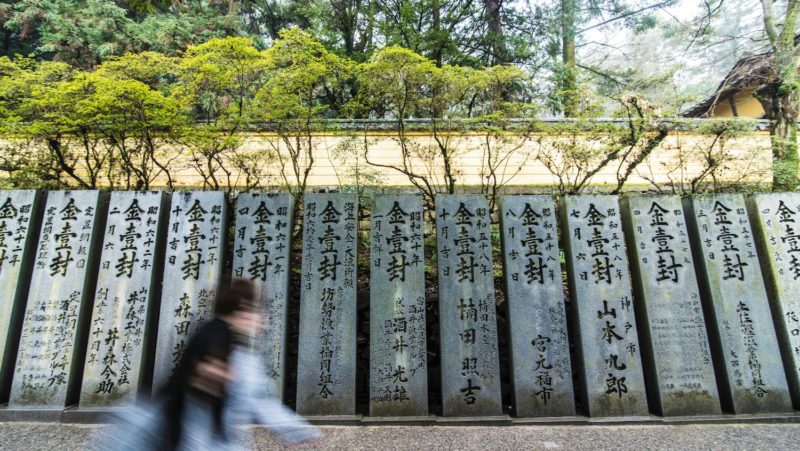
Colloquially, the main tourist draw to Shikoku – the smallest of Japan’s four main islands – is its 88-temple pilgrimage trail, which has been attracting the faithful (both Buddhists and ecotourists) for centuries. But you don’t have to do the entire trail in order to make the trip over the Great Naruto Bridge from Osaka worth it.
In fact, one of my favourite shrines in all of Shikoku, Kotohira Gu, is located within easy day trip distance of Takamatsu city, on the island’s north shore near the popular Konpira Onsen hot spring. Sprawled over a hillside with towering trees (in spring, many of them burst out into pink and white sakura cherry blossoms) and architecture that dates back to the first or 12th century (depending on who you ask), Kotohira Gu provides enlightenment – and exercise (yes, reaching the inner shrine requires you to scale more than 1,300 steps).
Read more: Everything I wish I knew before going to Japan
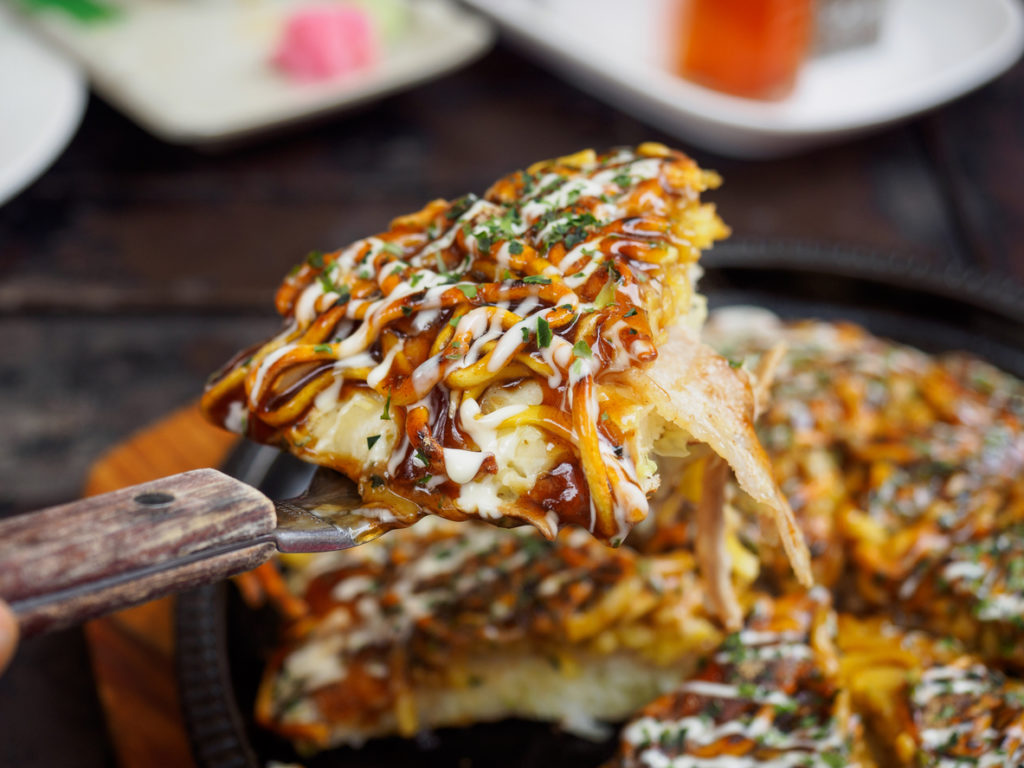
Taste Japan’s southern flavours
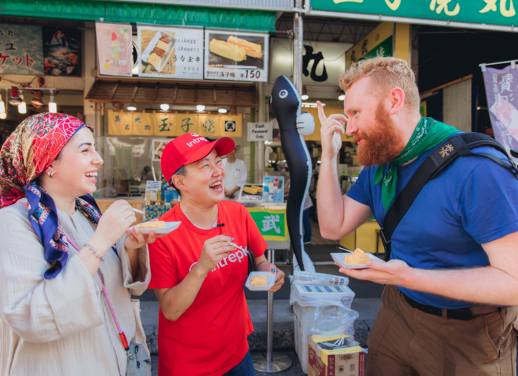
Whether or not you make it as far south as Shikoku and Kyushu, one thing that surprises travellers who get off Japan’s main tourist trail is just how diverse Japanese cuisine is. I mean, there’s never a bad time for sushi, but I don’t know what my life would be like without crispy okonomiyaki pancakes or tonkatsu pork cutlets.
No matter your culinary persuasion, both Shikoku and Kyushu offer oh-so many options to satiate. My favourite dish on offer in Shikoku is the udon soup, which pairs tender beef with the thick wheat-flour noodles you find in and around the city of Marugame. But even if you don’t make it this far, you can’t go wrong with a food tour to try a little bit of everything.
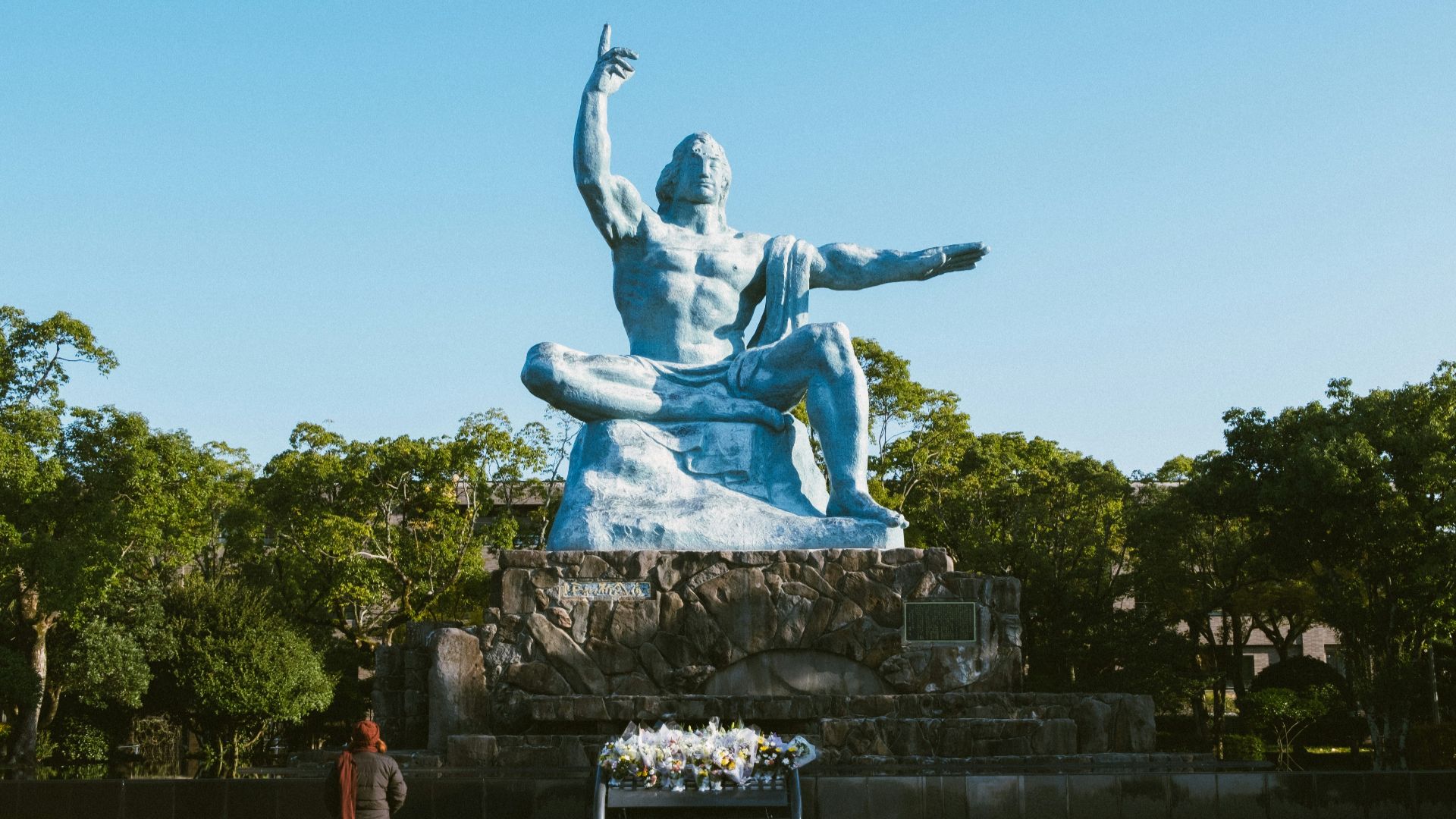
Discover a different sort of Japanese city
Nagasaki is one of dozens of cities throughout Kyushu and Shikoku that present a side of urban Japan you won’t find in bigger cities like Tokyo and Osaka. For Nagasaki’s part, it offers one of the best ‘night view’ spots in all of Japan, which – along with Hakodate and Kobe – showcase noted high-altitude nightscapes. Head to Mt Inasato for 360-degree views of the illuminated city after dark. The city’s history relating to the atomic bomb the U.S. dropped on it during World War II is also interesting, especially around the Urakami district, where one-pillared torii gates and cathedral remnants remain.
Shikoku is smaller than Kyushu, but is home to a great range of small-to-medium sized cities. Whether you visit the hilltop castle and soak in one of the oldest bath houses in Japan in Matsuyama, or visit the Edo-era gardens in Takamatsu, you’ll vastly increase your Japan travel street cred by getting to know its premier southern cities.
Read more: A non-nudist’s guide to using a Japanese onsen
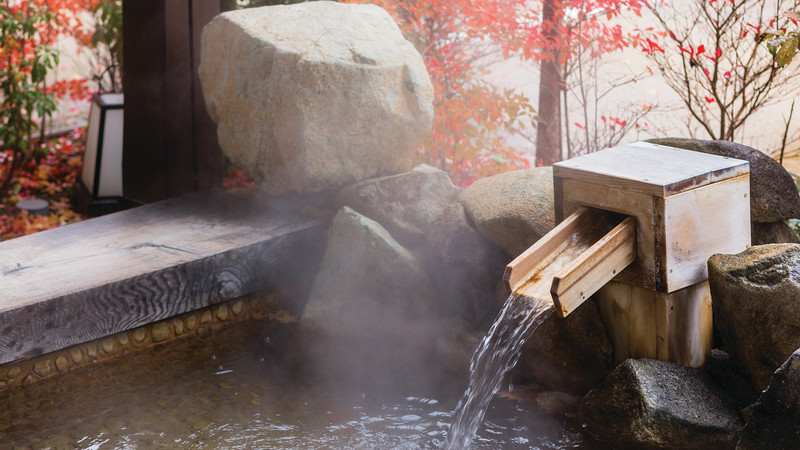
Relax in the ‘onsen capital’ of Japan
Located in the Oita Prefecture on Kyushu, Beppu is known as the ‘city of steam’. The southern city is famous for its variety of onsens (hot springs), so you’ll see steam rising everywhere because the whole city sits on top of geothermal activity. Soaking in one of these onsen is a quintessentially Japanese experience and a relaxing way to get to know the daily culture in an intimate way.
While there, it’s worth a visit to Jigoku, where you can explore brightly coloured steaming pools and, if you’re feeling adventurous, you can also find warm sand, mud and steam baths throughout Beppu.
The bottom line
The southern islands of Kyushu and Shikoku are every bit as worthy of your time and attention as Honshu and its highlights of Kyoto and Tokyo, and maybe even more so. Whether you undertake the complex task of planning your own trip here, or take a tour with an expert locally led company, a dive into Japan’s deep south pays dividends.
Tempted to visit the south? Check out Intrepid’s small-group adventures in Japan.