Having lived in Japan for over a decade, Tokyo-based travel writer Kim Kahan reveals her expert tips and advice – whether going solo or on a small-group tour.
The first time I arrived in Japan, as a woman in my early 20s, was in 2017. I was spat out into Tokyo’s Narita Airport – just me, my rucksack, and I – frantically searching for a recognisable trainline among a swirl of Japanese script. Thankfully, a local passer-by showed me the way, asking my destination and pointing me towards the right ticket machine and corresponding train.
I’ve never forgotten it. As I’ve moved through my 20s and clocked up a decade of living in Japan, I’ve tried to pass this small act of kindness on. Be that to friends who are planning trips a year in advance, others just passing through in need of a friendly face or strangers in train stations – and yes, you reading this article.
Here, you’ll find my essential tips and tricks – the most important things to know before travelling to Japan. From the best things to pack, where to go when and (of course) how to navigate the trains; I hope that it bestows you with the confidence of a shinkansen pro as you move seamlessly through Japan on your next adventure.
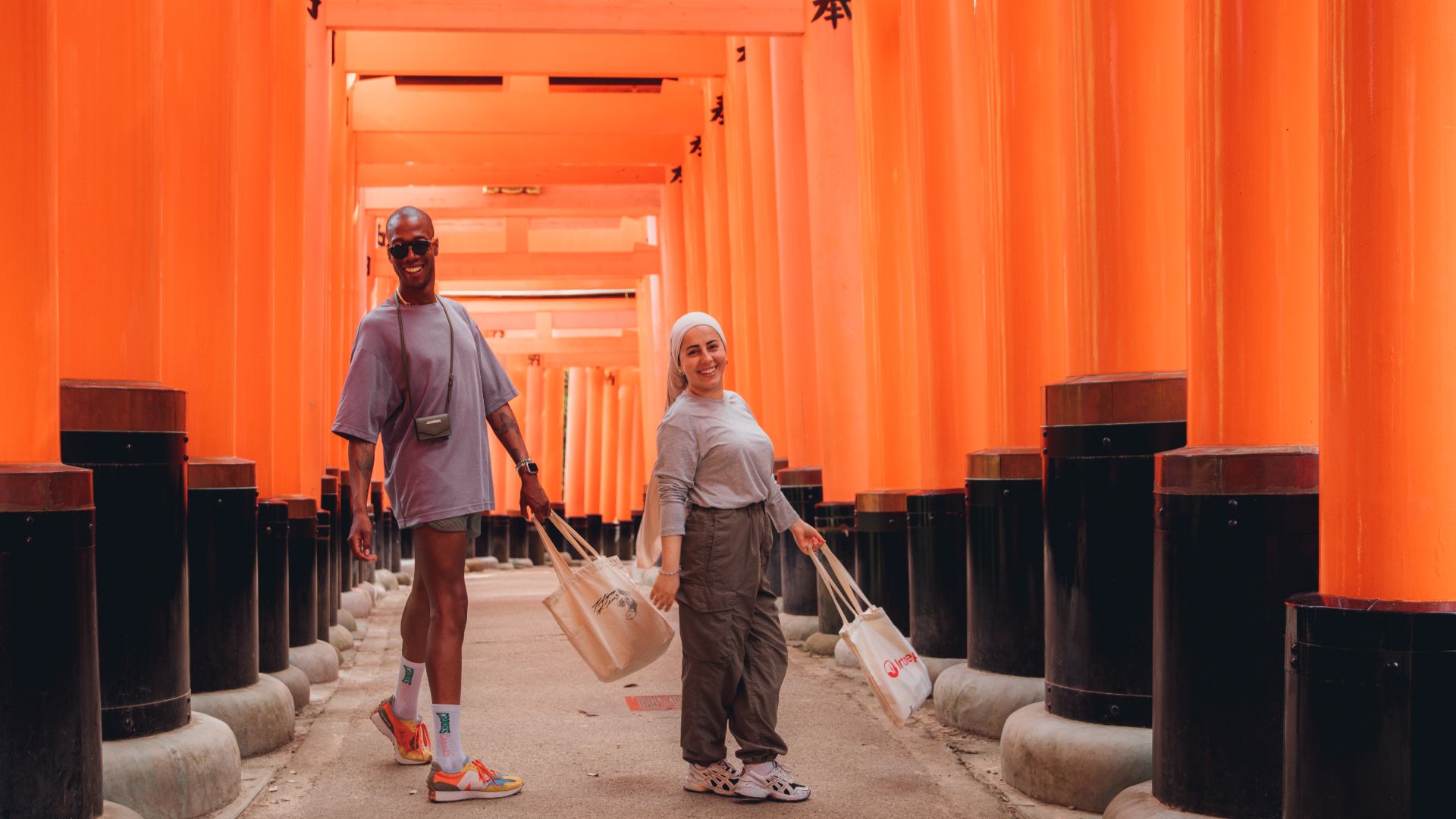
1. Plan smarter, not harder – but be flexible
Some of Japan’s most exciting and/or popular experiences require advance reservations, be that taiko drumming workshops, tickets to Ghibli Museum or TeamLab exhibitions. And no, that doesn’t mean the day before. Obviously, you can take the time to do this yourself, by doing extensive research and navigating local websites. Or – *time-saver alert* – you can book a small-group tour and let a local leader take care of all the trav-min for you.
Likewise, if there’s a particular restaurant or cafe that you’d like to visit, check its most up-to-date opening times. This may mean via social media or by giving them a call. Many restaurants in touristy areas tend to have seasonal opening hours and family-run shops may close when it’s grandma’s birthday.
That said, rather than planning every day down to a T, it’s also important to have some flexibility. You want to be able to stay out all night karaoke-ing with strangers-turned-friends, without worrying about missing your 5:45 am hike the next day. And trust me, if you’re on a tour for people in their 20s and 30s, you’ll want to get a few late-night karaoke rounds in.


2. Pack essentials, and leave some space
What should I pack for Japan? That’s often top of traveller’s minds before they leave. But trust me – less is more, so leave room in your suitcase. I’ve seen friends buy new suitcases when they run out of room to take home all the souvenirs they’ve snagged. Just think of the KitKats…
What’s more, on most trains and in some cosy homestays and cheaper hotels, space for luggage is often limited, so there’s a practical reason for taking a compact backpack or soft-shell case to help you navigate these transport and hospitality hubs with ease. You can use a luggage-forwarding service to send your bigger items onto your next destination.
Another essential – you’ll need cash, as well as a card. Many establishments in bigger cities like Tokyo and Kyoto will take cards, and you may even come across some that are cashless. But also be mindful that hidden-away spots such as that backstreet soba-noodle stand or Shinto shrine prayer offering you’re looking to make are generally cash-only.
One more essential item: the IC travel app or card, which you can pick up at a major train station. It covers not just trains, subways and buses, but also functions as a digital wallet, which can be used at convenience stores, handy train station luggage lockers or vending machines (hello, hot corn soup). They’re essentially a one-stop-shop for travel around the major cities. If you’re travelling from the airport, it helps to have this app pre-loaded onto your phone to make transport smoother. In smaller, rural towns, you may not be able to use your IC app, so – again, in those instances – make sure you bring cash for transport tickets.


3. Get the pacing right
By far the biggest question I get is ‘how long should I spend in X place?’ It’s impossible to count the amount of times that friends have sent over itineraries with five days in Tokyo, five days in Osaka and another five in Kyoto. But unless they’re here for several months, know people or plan to travel outside the main cities on excursions, I almost always tell them to reduce the amount of time in Kyoto and Osaka, and explore other places in Japan.
Yes, everyone wants to see the Golden Route hubs, but the main Kyoto and Osaka areas are pretty small, and close to one another – about 30 minutes away by train. You can see plenty of sights in each city in two or three days.
If you’re travelling to Japan for the first time, I’d suggest spending three weeks in total – maybe travelling solo and doing some independently, perhaps at the end when you feel more confident, but also lining up a highlights-based group tour or even just commitment-free day trips so you can travel and make new friends amid the safety and security of an expert-led pack.


4. Enjoy nature throughout the year
Regarding when to visit Japan: during my years as a Japan-based travel writer, the most in-demand question is usually ‘When’s the best time to see cherry blossoms?’.
Of course, you can check out the Japan Cherry Blossom Forecast, which covers the official sakura prediction for each year. Technically, it’s correct, and points to the best time to run to a park to picnic under the blooms in true hanami style. But this forecast is, of course, always subject to seasonal change. I’ll never forget the year they bloomed late and people were instead desperately searching: ‘What to do when there are no cherry blossoms.’
This is to say, don’t rely entirely on the cherry blossoms. Other aspects of Japan’s natural world are just as beautiful and ephemeral: magnolias and plum blossoms in early Feb-March, wisterias mid-April-May, momiji (maple) season for gorgeous autumn leaves from October to November. Whichever you choose, you’ll find beauty throughout the year.


5. Make the most of the culture
Speaking of nature’s influence, there are a multitude of unique cultural experiences in Japan – one of which is eating specific wagashi, traditional Japanese sweets that are shaped according to seasons.
But in the country that practically invented the quirky cultural experience, the list of things you can do is endless. From experiences you’ve long dreamt of to ones you could never imagine: there are traditional tea ceremonies to tap into, Shinto shrines to visit (even shrine-to-shrine pilgrimages), sumo matches to attend, geisha dinners and the best sushi to try – I say this even as a vegetarian. There are robot cafes to swing by and high-speed trains to whizz around the country on; you can meet female sake brewers in Hagi and rub shoulders with bowing deer in Nara.
There are myriad generic ‘best things to see in Japan’ articles but bear in mind your own personal preferences – if you’re a big history buff, you might want to visit a shrine every day, but if not, maybe one or two throughout the trip will do. For busier shrines like Kyoto’s Kinkaku-ji, head there early in the morning to beat the crowds.


6. Navigate transport carefully
Even though travelling around Japan is generally safe, it can be a tad confusing. The infrastructure is covered by several large private companies, as well as the occasional town-specific one, which takes away consistency.
Make sure you do your research – which trains to get, where to buy bullet-train tickets, how often the buses run – before you come. Tokyo’s multiple-train-company system, in particular, can be mind-boggling, though each line is at least thankfully colour-coded.
It is, of course, perfectly possible to do it as a solo traveller. However, if you’re on a group trip, you can leave it all to the leader who’ll take care of the ticketing and navigation for you, leaving you to focus on which ekiben (train bento box) you’re going to snag for the journey.
7. Be a responsible tourist
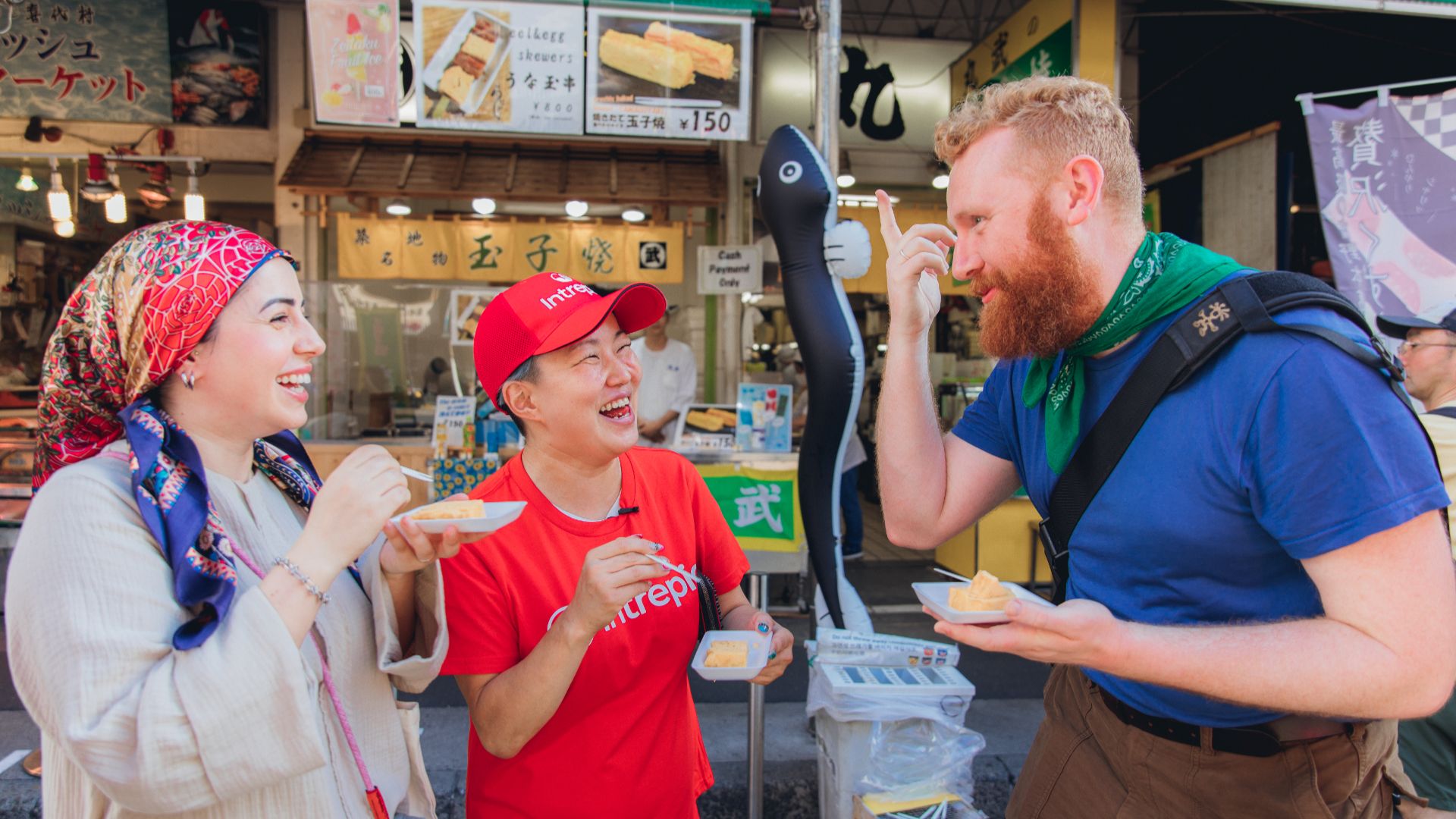
Another question that I’m asked frequently is how to navigate the country’s cultural customs and behave respectfully in public places in Japan. In response, I point out that merely asking the question is a great start. Just observe people around you – and be considerate. If everyone else on the subway is being quiet, and no one is eating, do that. Likewise, on the bullet train, they’ll be selling lunch boxes, which is a pretty solid indicator that eating is okay.
If you’re on a tour, you’ll have a local guide to consult who’ll be able to give you the best etiquette advice for your situation – whether you’re a female travelling solo or family group.
Travel through Japan like a pro by booking a small-group adventure or curated excursions.