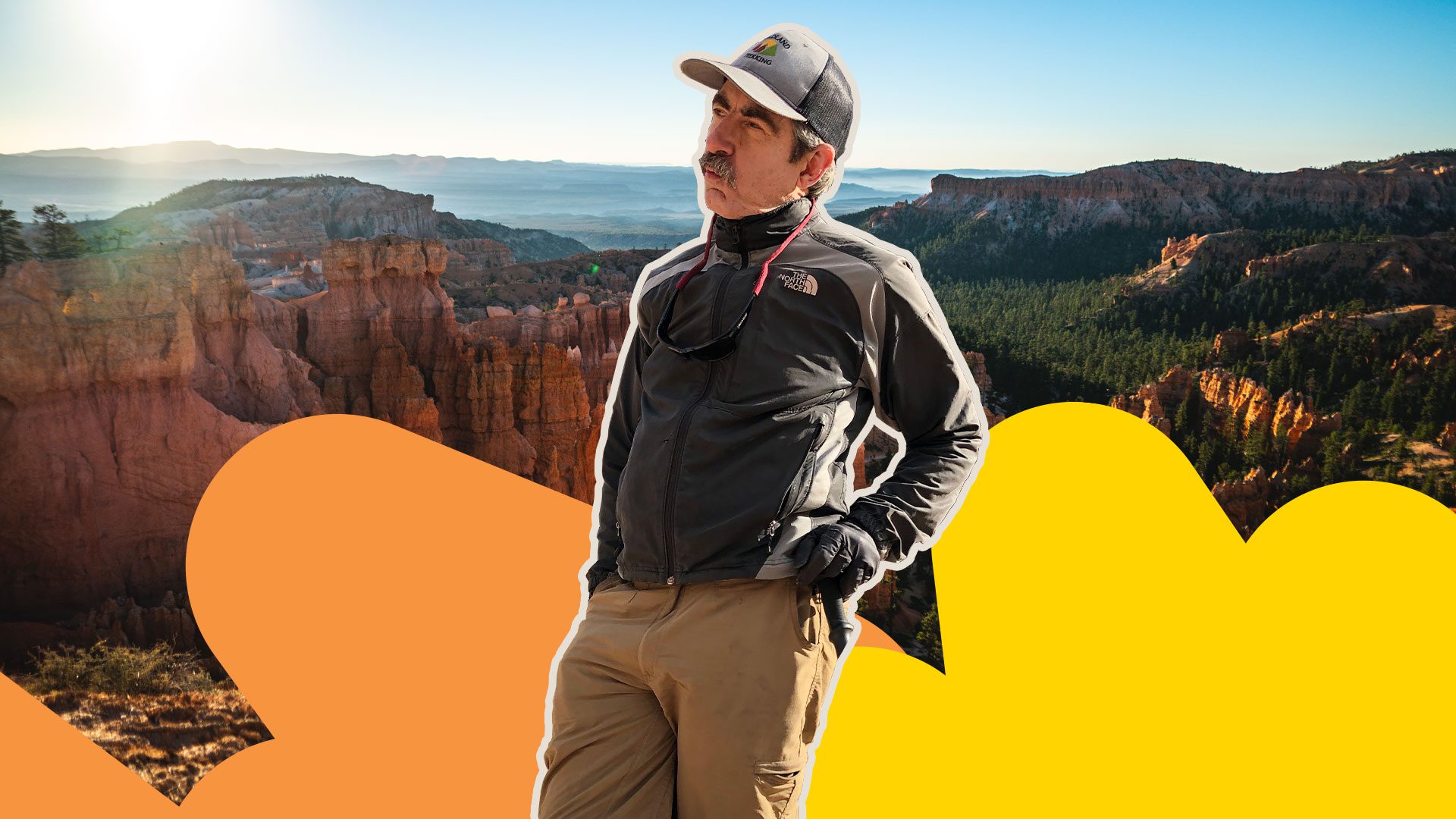
Wildland Trekking guide Doug Campbell hasn’t had a single international visitor on his trekking trips this year – and he knows why – but he believes there’s something deep in America’s wilderness that could be the antidote to any would-be adventurer’s unease: a chance to slow down, gain perspective and, perhaps most importantly, find hope.
‘It’s a hard time to be in America right now,’ according to professional trekking guide Doug Campbell. ‘A lot of international travellers aren’t coming to the US and I don’t fault them for that,’ he says. ‘They see the news – they see the things that are happening in our country.’
He’s referring to a range of contentious issues – from policy changes that have impacted public lands and presented entry hurdles for international tourists, to polarising political rhetoric and controversial actions by the US government on both home and foreign soil.
It’s no wonder, then, that some travellers perceive the US as a politically and culturally divided nation – one that could be seen as unfriendly to visitors from abroad.
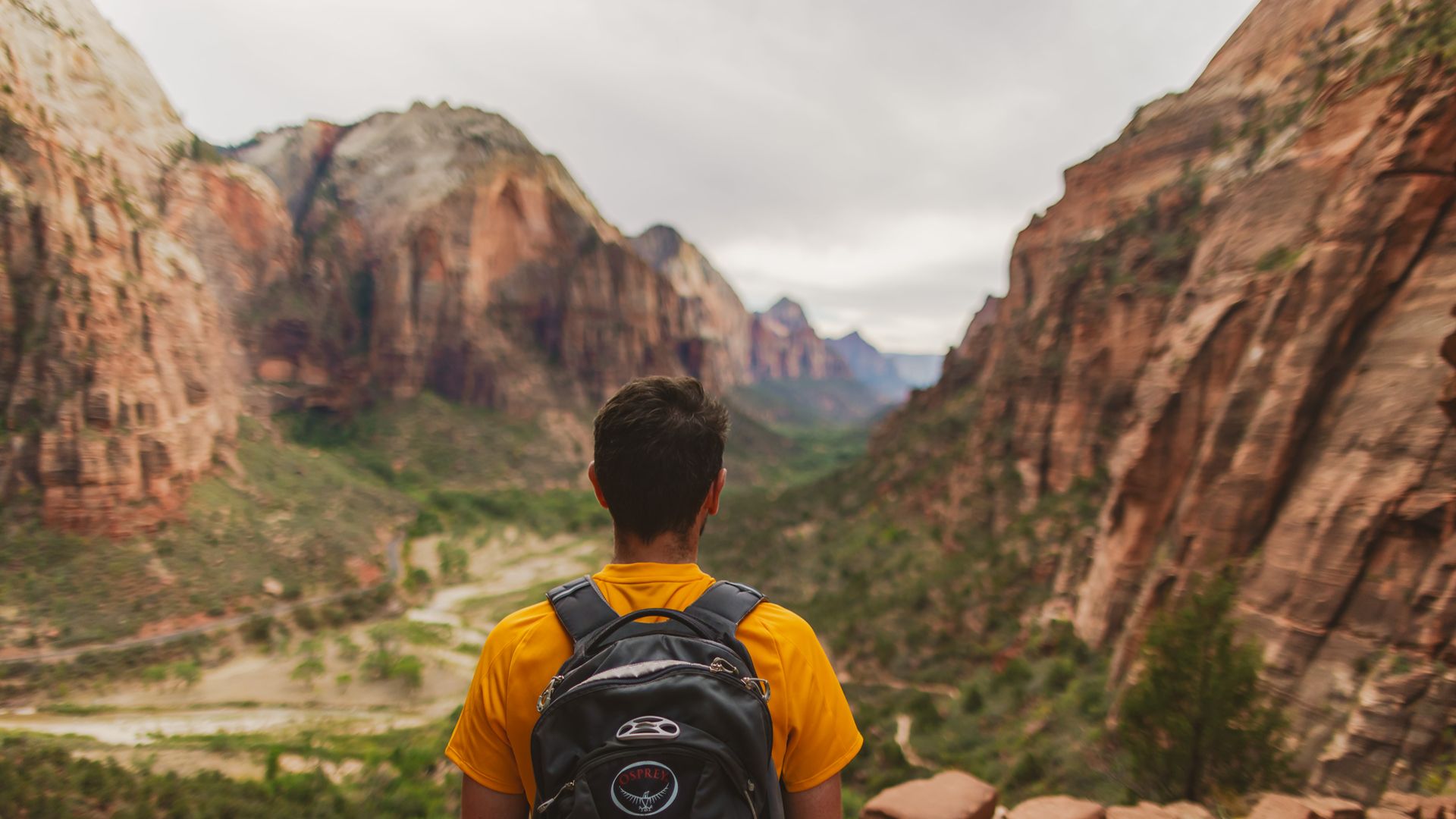
But Doug doesn’t think this outlook reflects the reality – particularly when it comes to spending time in America’s wilderness. There, he says, his trekking groups easily find common ground over their shared love and experience of the natural world, while the distractions of the outside world seem to slip away.
‘We’re a good country and nice people, and it’s a great place to visit,’ Doug says. ‘I hope we get back to where people want to come to America again.’
The challenges of changed perceptions
Doug has been leading trips for Wildland Trekking – an Intrepid company specialising in guided, small-group hiking and backpacking adventures in the American wilderness – since 2008. Recently, his hiking groups have been less diverse than they were in years past; in fact, he hasn’t hosted a single international visitor on his trips this year. That’s a sharp downturn from previous years when his groups, while primarily American, regularly included Canadians, Brits and Australians. Data from Wildland Trekking shows a discernible drop in demand from international markets, in line with declining international visitation trends nationwide.
The newfound challenges of attracting international travellers to the US and its parks may be attributed to recent policy changes that have resulted in park staffing cutbacks (25% since January 2025, according the National Parks Conservation Association) and new rules that mean non-US residents are now required to pay a USD 100 per-person surcharge, on top of standard entrance fees, at popular parks like the Grand Canyon – plus stricter visa and visitation policies for foreign visitors.
Doug’s guests had a lot of questions around the impact of the Trump administration’s national park policy changes when they were first announced last year. Yet the impact of the staffing cuts at the Grand Canyon specifically have been less visible to visitors on the ground, and more apparent ‘behind-the-scenes,’ he says, particularly around staff morale.
He holds a lot of admiration for park workers who are facing these challenges head-on. ‘There are such good people that work for the Park Service. Their hearts are in the right place and they’re just hunkering down, doing their jobs and being resilient,’ he says.
Doug wants to assure prospective international visitors that a warm welcome awaits – as experienced by many travellers from abroad during the 2026 FIFA World Cup. ‘You’ll find that Americans, regardless of their political opinions, regardless of where they live in the country, they’re really good people,’ he says. ‘And we’re a friendly, welcoming and very diverse country.’
Read more: Into the wild: Top 10 national parks in the USA


Finding common ground in America’s parks
Doug, a New Mexico native, discovered his love for spending time in nature during an overnight hiking trip with his father in the mountains outside of Santa Fe when he was 10 years old. By his mid-teens, he was backpacking independently with friends. While his early career path took him into social services, the call of the wild sparked during those early adventures never truly faded. It was an ‘aha’ moment when he realised he could make a living being a hiking guide.
‘To be honest, guiding trips for work doesn’t feel like work necessarily,’ he says.
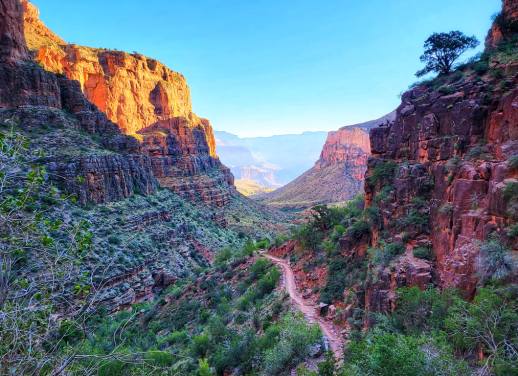
It’s now been nearly 20 years since he pivoted to professional guiding and Doug has zero regrets. Through his work with Wildland Trekking he’s led well over 250 treks into the Grand Canyon in Arizona, though he also guides in places like Colorado’s Rocky Mountain National Park, the ‘Mighty 5’ national parks of Southern Utah and Sedona Red Rock Country in Arizona.
It’s in these natural places that he feels most centred, focused, peaceful and ‘interconnected’ with others. And it’s that shared experience and appreciation for the wilderness, he says, that helps foster connections, camaraderie and common ground between guests on his group tours.
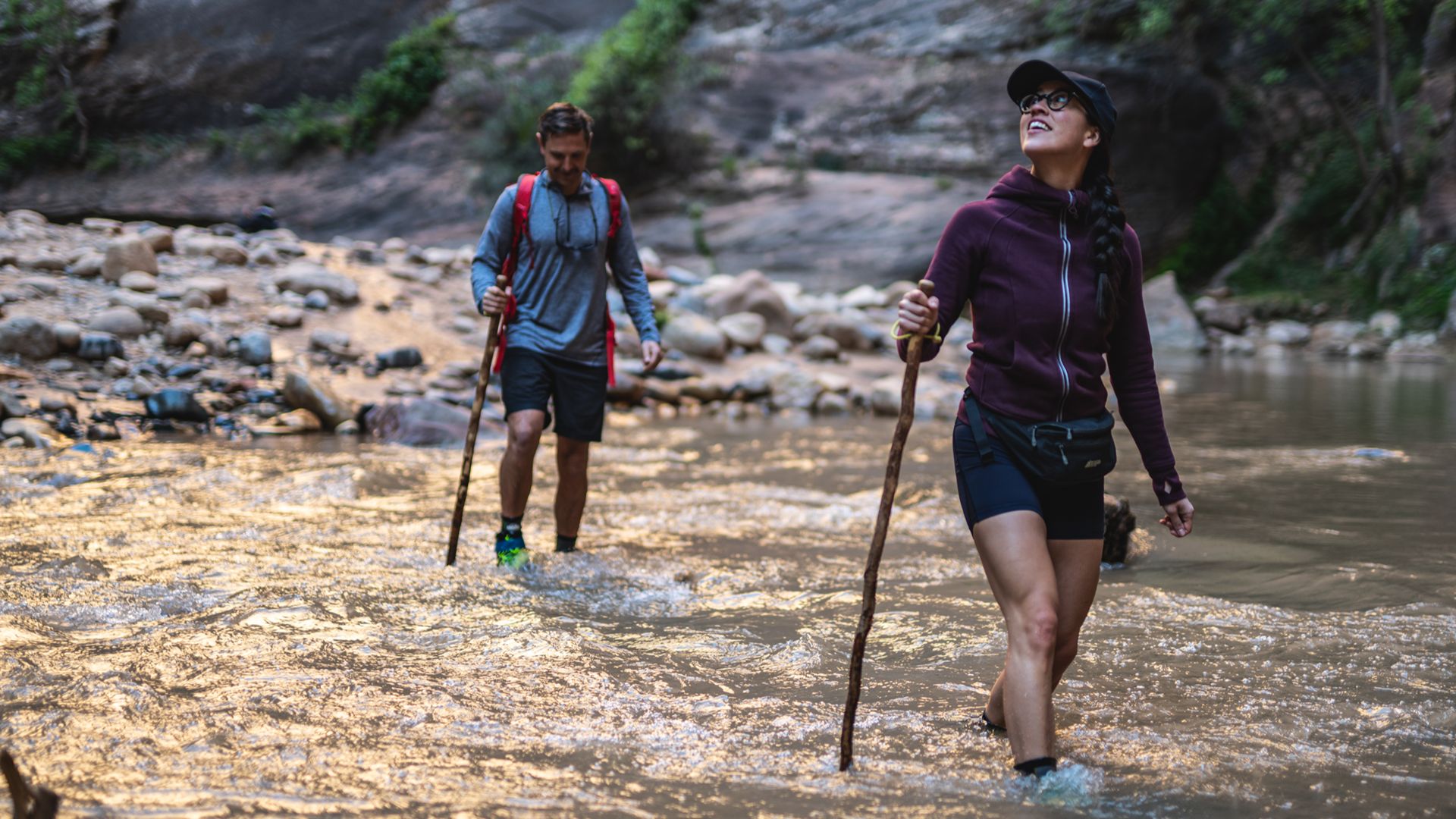
Doug says that regardless of guests’ differing perspectives, politics, values or life experiences, ‘Once we’re out there on the trail, they’re experiencing wherever we’re at – let’s say the Grand Canyon – just like anyone else.’ It’s in these collective moments, he says, that guests discover that ‘despite our differences, we’re good people and we mean well; we care about the world and each other.’
There’s something about being in a beautiful wild place, Doug says, that turns thoughts to the present moment, and away from the outside world. Spending time in nature gives people a chance to leave the headlines or political turmoil du jour behind: ‘Generally on hiking trips, people don’t talk about that stuff a lot.’
When out in the parks, he says, ‘I’m not thinking about what I saw on that morning’s newsfeed. I’m not thinking about the problems in the world. I’m just focusing on the physical exercise, listening to the stream, listening to the thunder, looking at the peak with the snow on it, enjoying the company of my fellow hikers.’


The best American wilderness experiences
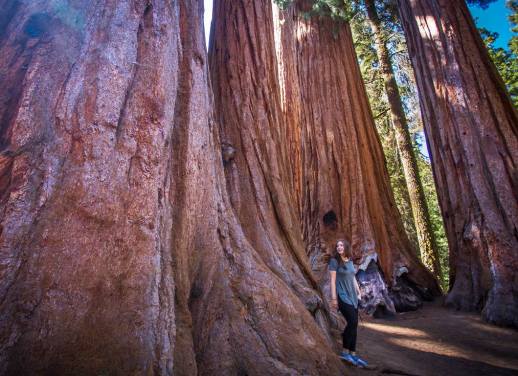
When asked about some of his favourite park experiences, it’s hard for Doug to choose just one. He claims ‘great love and respect’ for the Grand Canyon, his professional home. But he’s had incredible personal moments elsewhere too. There was a canoeing trip in the untouched wilderness of northern Alaska, where he found himself ‘transported back in time’ and in solitude with nature, among caribou, grizzly bears, wolves and musk oxen. Another time, he came face to face with a mountain lion on a solo hiking trip in the Pecos Wilderness of northern New Mexico – a moment of ‘utter amazement,’ he says, before the wild cat ran back off into the forest.
For visitors looking for similar moments of solitude and peak conditions for wildlife encounters, he says, ‘Our most popular national parks are big enough that you can go to parts of that park where there’s not a lot of people’ – chances that only increase when you travel with an experienced guide.
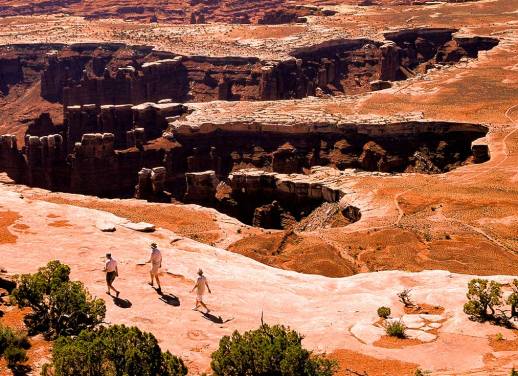
But for an even better likelihood, he recommends escaping the crowds by getting off-the-beaten path. Seeking out lesser-known and less-accessible landscapes, like the river-sculpted canyons of Canyonlands National Park in Southern Utah – which receives around 800,000 visitors a year compared to the Grand Canyon’s nearly 5 million, and only half the visitation of neighbouring Arches National Park – will reward travellers with ‘fewer people and no lines.’
‘The Grand Canyon is known throughout the world,’ he says. ‘Whereas people outside of the US may not have heard of Canyonlands. It’s an amazing place. Southeast Utah is like going to a different planet.’
He also points out that beyond the country’s national parks, there are extraordinary national monuments and forests and federally protected wilderness areas that shouldn’t be overlooked either.
Read more: What to expect on a wolf-tracking tour in Yellowstone National Park
Enduring beyond this moment
Ultimately, Doug believes current circumstances – what he calls a ‘hard, hard time’ – will all eventually pass. ‘Good times come, bad times come, the news, wars, all that,’ he says. This take seems particularly relevant as the US celebrates its 250th anniversary in 2026 and reflects on a long history of resilience in the face of difficult moments.
It’s a hope that he feels can be amplified by simply getting out on the trails. ‘It just helps me put things in perspective; everything we think about in the world we live in today may seem important and may seem big, but in some ways it really isn’t,’ he says.
Regardless of current sentiment, he’s convinced that the parks and their popularity – and all the hope and goodwill that they inspire – will endure. ‘The Grand Canyon is always going to be there. Yellowstone National Park is always going to be there. The natural world is always going to be there, and it just does its thing regardless of what’s happening in our world.’
And he wants visitors from all nations to know that if what they really need is a reminder of our shared humanity, or a reason to feel hopeful, it’s waiting for them in the American wilderness.
Find connection through adventure in America’s wildest landscapes. In response to the recent flash flood in Grand Canyon National Park, The Intrepid Foundation is raising funds to support recovery and restoration efforts. All funds will be directed to the Grand Canyon Conservancy, and The Intrepid Foundation will match all donations up to US$20,000. If you’re able, please donate.