
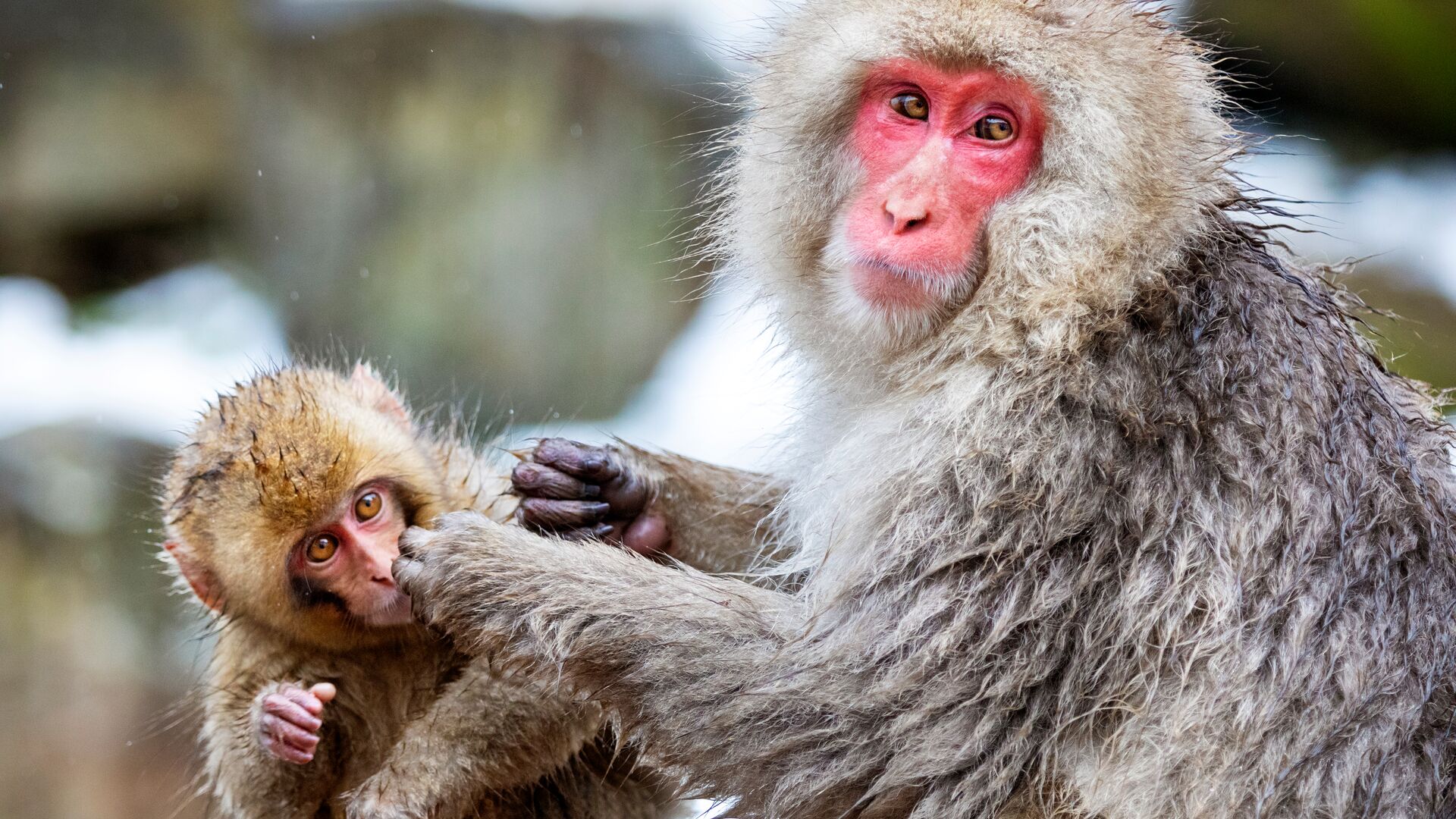
From spotting snow monkeys to seeing strange salamanders and spider crabs, here are some animals you may get the chance to spot on your next trip to Japan.
Japan might be known for its blend of culture, food and innovative technology, but what rarely gets recognised is its wildlife. While you might not find native Japanese animals wandering the neon-lit streets of Tokyo or trying to get to the other side of Shibuya crossing, you only have to travel to Japan’s expansive mountainous regions, or its dense forests to find a wildlife world worth exploring. From the cheeky macaques to the elegant sika deer, here are eight native animals to try spot on your next trip to Japan.
1. Japanese macaque
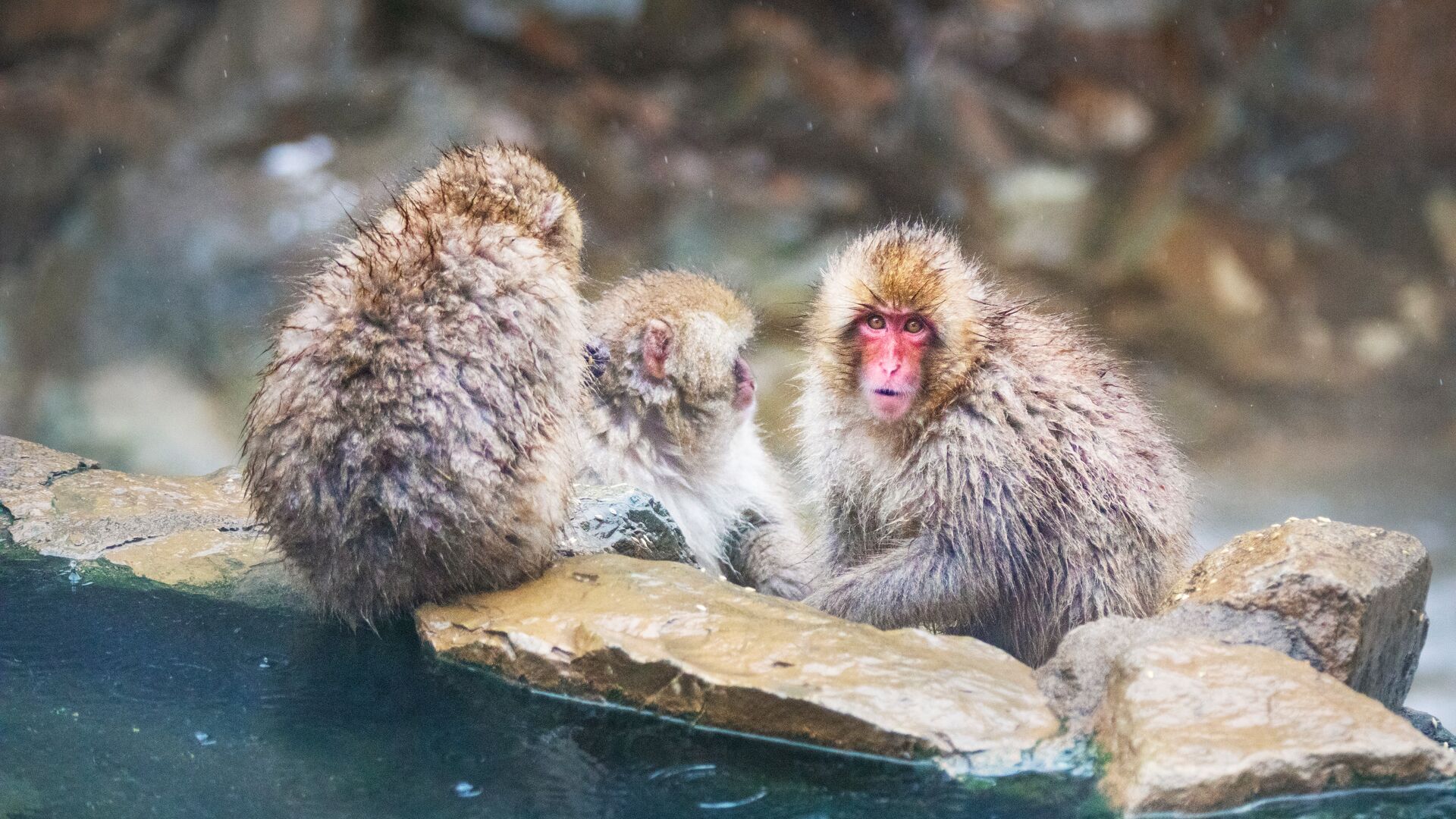
Probably the most recognisable native Japanese animal is the macaque – a snow monkey found in the mountainous regions of Honshu, Shikoku and Kyushu islands. Extremely sociable and friendly creatures, these monkeys are characterised by their long, thick hair and little red faces, usually travelling in packs of 20 to 30.
While there’s a chance you could spot them in the wild if you’re travelling around the forested areas of Tokyo, the best place to interact with them is at the Jigokudani Monkey Park located in the Nagano Prefecture, a stop on Intrepid’s Premium Highlights of Japan trip, where you’ll try to find snow monkeys bathing in hot springs on the mountain in Yamanouchi.
Read more: Where to go in Japan based on your travel vibes
2. Red-crowned crane
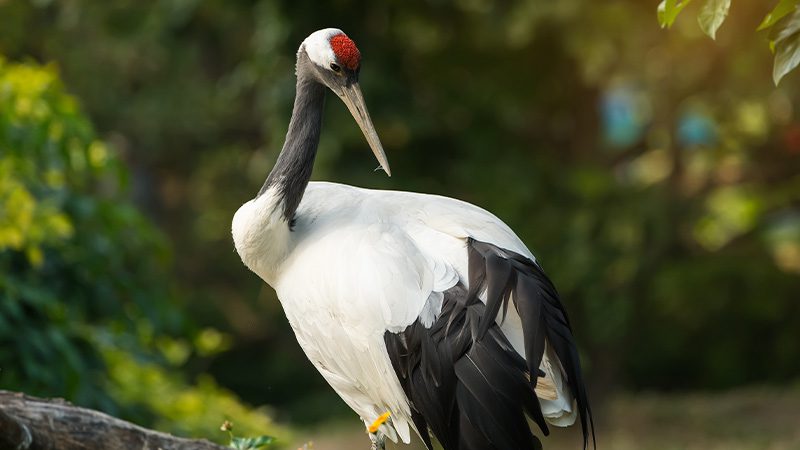
Known to symbolise luck and longevity, the red-crowned crane is an aquatic bird that spends its day foraging for food in the pasturelands of eastern Hokkaido, especially the Kushiro Wetlands, dining on small fish and rodents, amphibians, snails and plants. Beautiful with a largely snow-white colour and distinct red patch on the top of its head, it is also rare. In fact, one of the rarest cranes in the wild, with only 1000 left in Japan and 3000 in the world. At one point, there were fears of extinction, but due to strong conservation efforts, the population of birds is starting to show signs of recovery. Phew.
3. Japanese giant salamander
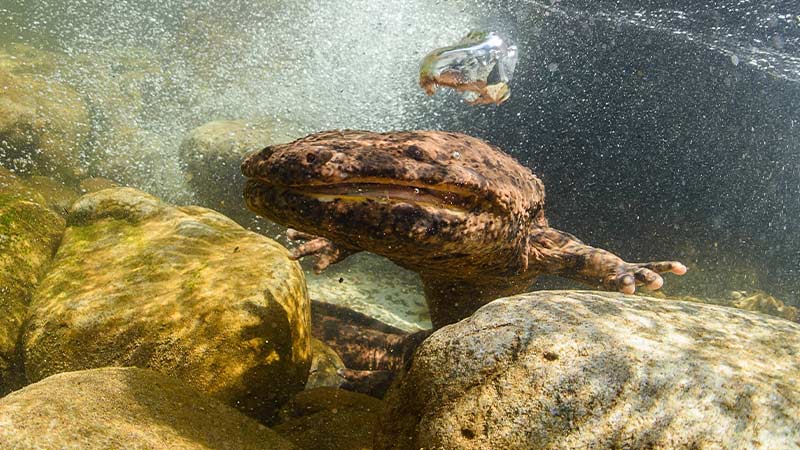
Sounding as if it belongs between the pages of a fantasy novel, the Japanese giant salamander lives nocturnally at the bottom of streams or rivers filled with cool, fresh water. Looking quite, ahem, intimidating in its appearance, this monstrous amphibian can grow to a size of 1.5 metres, expelling a powerful, pepper-smelling, milky-like substance when threatened.
With a brown and black skin that helps them camouflage perfectly against the murky river bottoms, these swimming creatures are super hard to spot – largely because they live underwater – so you’ll need to do your research properly before setting out to try to catch a glimpse of one. They typically live in the cool, fast-flowing mountain streams of western Japan. Outside of Gifu city, in the small village of Wara (and its titular river), is a good place to start from April to November.
Read more: Everything I wish I knew before going to Japan
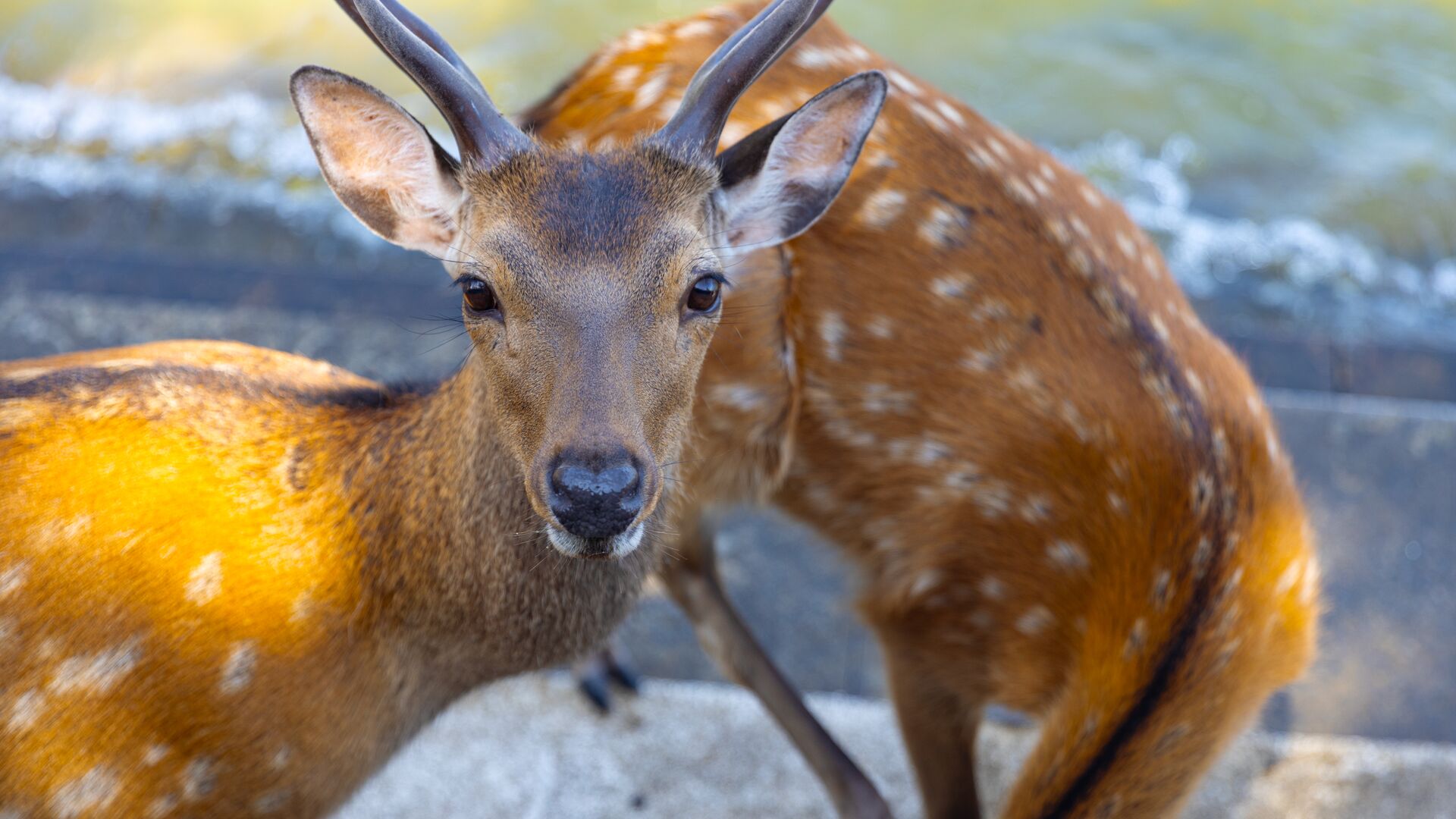
4. Sika deer
You won’t have to look very hard for this next native Japanese animal as there are large numbers scattered throughout the main islands of Japan. Positively thriving due to its only natural predator, the wolf, having been extinct in Japan for a century, these delicate and graceful creatures can grow up to 1.2 metres in length and can jump a surprisingly high 1.7 metres.
Getting its name from the Japanese word ‘shika’ (meaning Japanese deer), these harmless animals feed on naturally growing vegetation as herbivores and are characterised by the white spots dotting the length of their bodies. One of your best chances of spotting a deer in Japan is on Miyajima Island, just offshore from Hiroshima, where they roam the streets and parks.
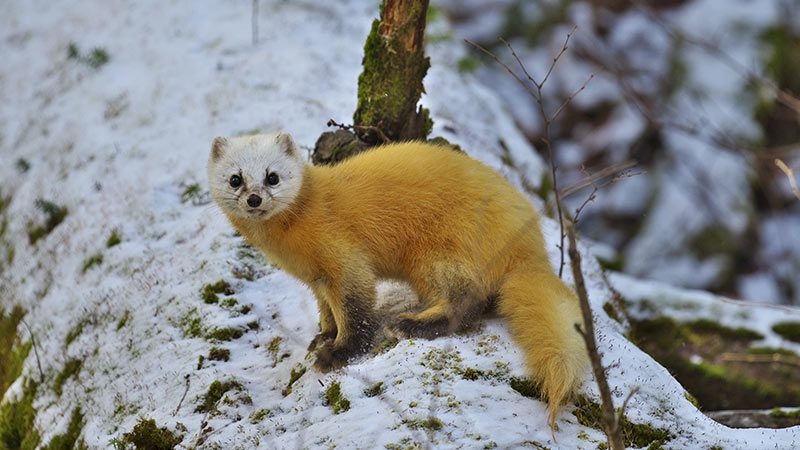
5. Japanese marten
Guaranteed to be one of the cutest animals you’ve ever laid eyes on, the Japanese marten can be found in the forests of mainland Japan – specifically the Honshu, Shikoku and Kyushu regions. Recognised by their dark brown, yellow and cream pelage, these slender and agile creatures come alive when the sun goes down, staying up to hunt food, before sleeping in tree hollows and shallow dens during the day.
If you happen to come across a Japanese marten in the wild it’s best to steer clear of it, not because they’re particularly vicious animals that might hurt you, but because it’s considered to be bad luck if a marten crosses in front of someone in Japanese folklore.
Read more: Meet Japan’s four-legged first responders
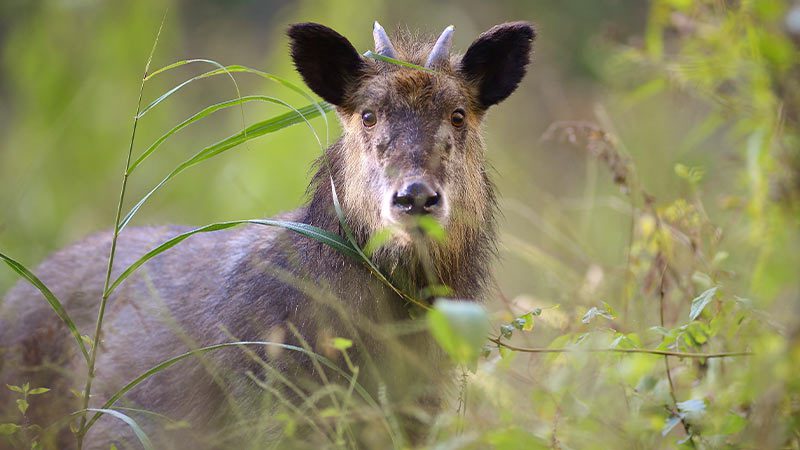
6. Japanese serow
Hunted to near extinction in the 20th century, the Japanese serow is now thriving thanks to a 1955 law that recognises them as national monuments, making it illegal to pursue these animals for their fur. And thank goodness, because spotting these goat-antelope-like creatures in the woodlands of the Honshu region will surely be one of the highlights of your trip. On Honshu, aim for Nagano Prefecture’s high-altitude areas, include the Joshin’etsukogen National Park near the Jigokudani Monkey Park, and around highly active Mt Asama in Karuizawa.
Featuring long legs, bushy multicoloured fur and curved horns, these native Japanese animals are not only seen as a symbol of Japan, but also as good luck for their sure-footedness, with serow hoof print charms bought by students sitting exams.
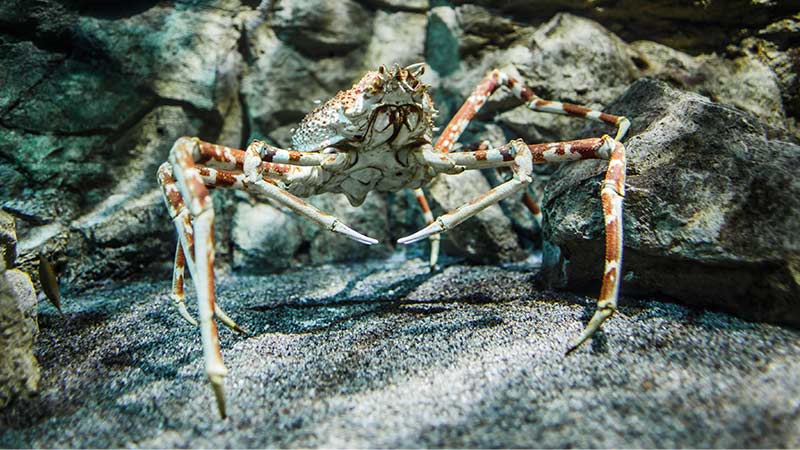
7. Japanese spider crab
Taking the title of one of the scariest-looking animals in Japan, the Japanese spider crab can reach up to 3.7 metres with its spindly legs. In case you’re wondering what it gets up to, it spends it’s life scurrying along the seabed in search of marine plants and small fish. While these monstrous-looking invertebrates may well have a starring role in your next nightmare, Japanese spider crabs are actually known to be gentle giants and can live up to 100 years old.
However, the chances of you coming across a Japanese spider crab in the wild are pretty low as they live at a depth of 49 to 600 m. If you are intent on catching a glimpse of its gangly legs and orangey body, they can be found in seafood markets along Japan’s southern coast.
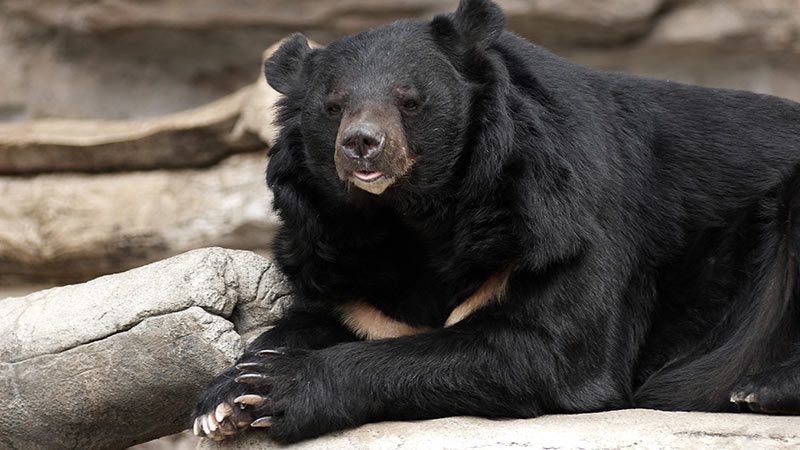
8. Japanese black bear
Boasting the title of Japan’s ‘largest land animal’, the Japanese black bear is very common in the Northern regions, especially the Japan Alps, and even mountainous fringes of major cities such as Tokyo. They have an excellent sense of hearing and smell, using their senses to find their next meal.
They’re also at their most active in the early mornings and early evenings – looking for breakfast and dinner perhaps? – so make sure you’re being extremely careful and not getting too close. Remember, these powerful animals can run faster than humans and are five times stronger, so if you think you can outsmart one, you can’t.
Spot native Japanese animals on one of Intrepid’s small-group tours in Japan.
