Travelling to see the wonders of the night sky is on the rise. From reading the stars with Indigenous storytellers in Kenya to aurora chasing in Iceland, these are the astrotourism adventures worth staying up for.
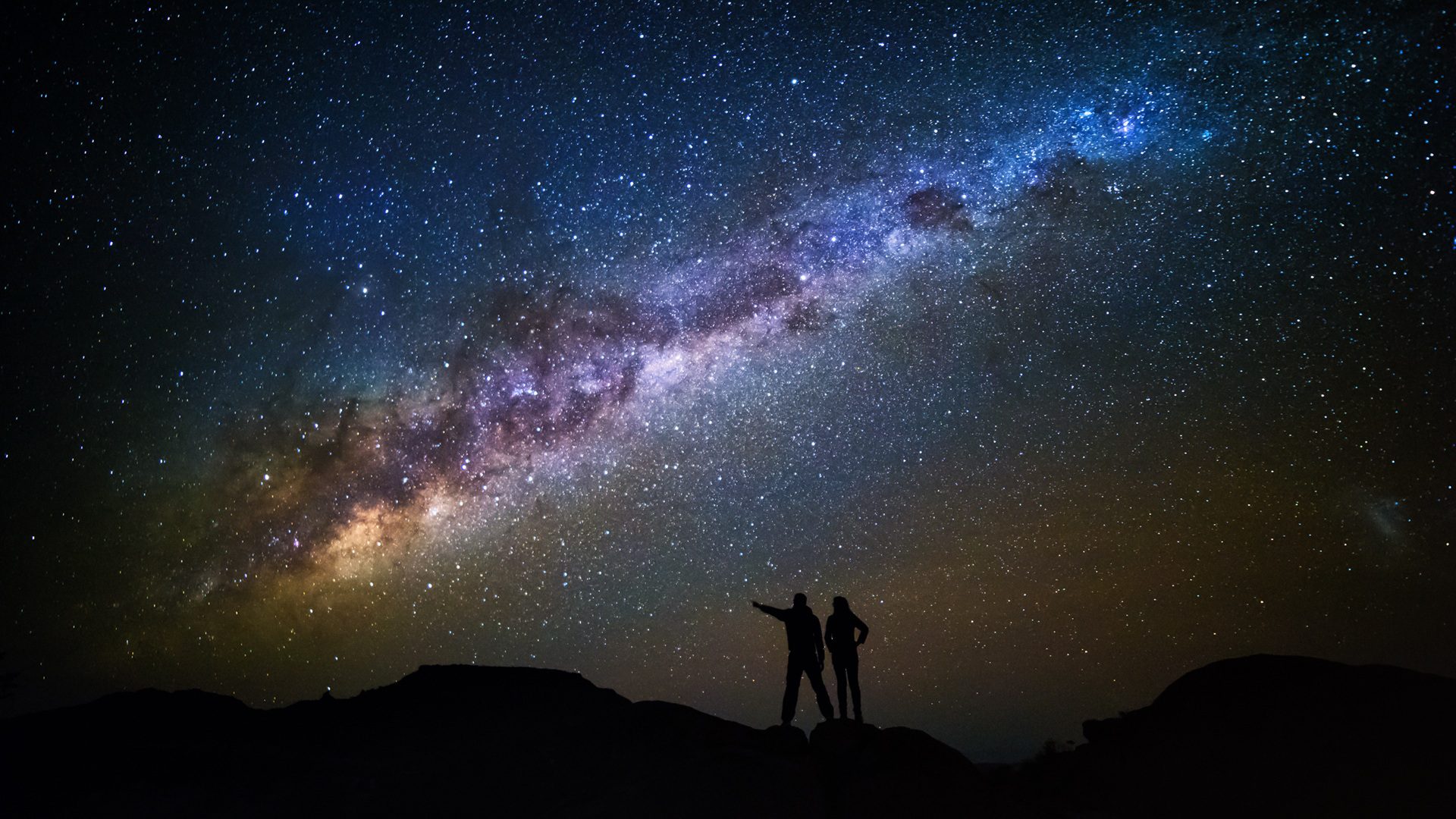
Ever seen the Milky Way with your own eyes? Not in a photo or on your phone, but actually stretching across the sky above you? I can tell you from experience: it might just change your life.
Whether you’re hoping for a glimpse of the northern lights, to go stargazing with a pro astronomer in a dark sky park or spend a night under a glittering sky at a desert camp, these astrotourism experiences will leave you starstruck.
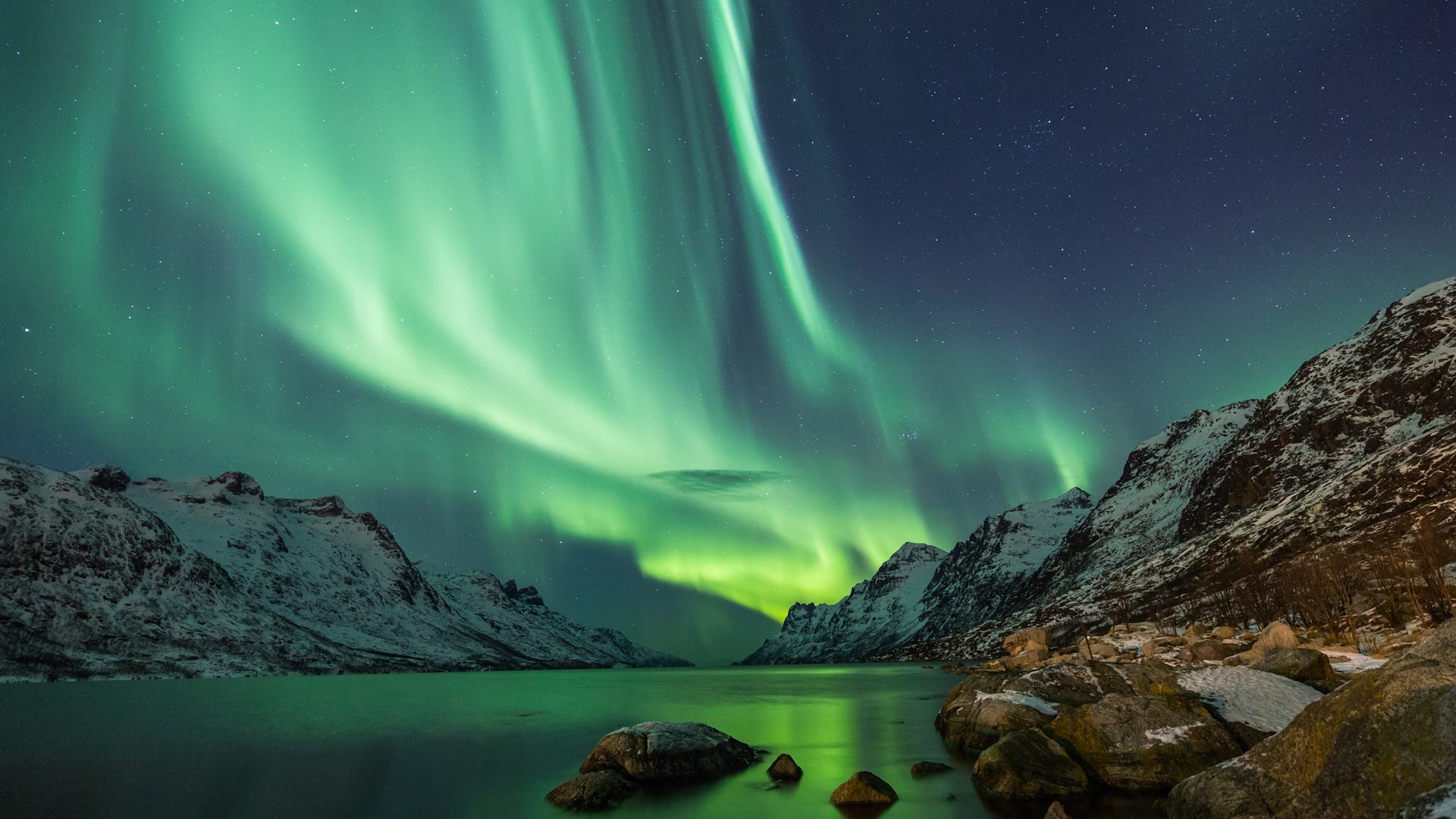
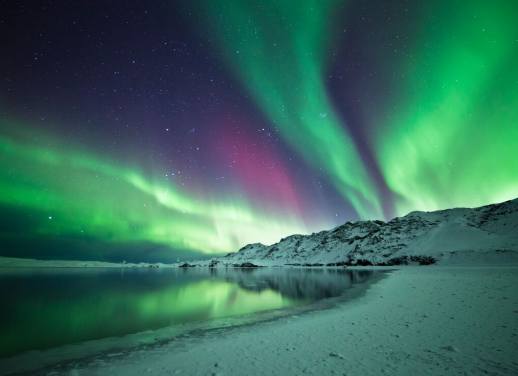
1. Chase the northern lights in Iceland
The aurora is one of nature’s greatest spectacles and Iceland is a prime place to catch it. Solar activity has been especially strong around the recent solar maximum, the peak of the Sun’s 11-year cycle of activity, making this an especially exciting time for aurora hunters.
Iceland’s Classic Northern Lights trip is a five-day adventure that takes in icy waterfalls, glaciers and plenty of soaking in geothermal waters. The long winter nights this far north offer excellent opportunities to spot green and purple streaks dancing overhead. Just remember: auroras are as unpredictable as Iceland’s weather – no one can guarantee a sighting, but the search is half the fun.
2. Take a dark desert safari in Namibia
I’ll never forget looking up in the Namib Desert and seeing the Milky Way arcing across the sky, then falling asleep to the sound of jackals yelping in the distance – truly magical.
Home to Africa’s first International Dark Sky Reserve, Namibia is one of the best places on Earth for stargazing. On the Premium Namibia trip, spend the night under Namib Desert skies at a special Feature Stay lodge (a Premium-only perk) near Sesriem, the gateway to the towering orange dunes of Sossusvlei. After a desert dinner and an undoubtedly dramatic sunset, night falls gently as a local expert introduces you to the constellations overhead.
Read more: Why we travel to chase the moon and the stars


3. Spot faraway galaxies through a telescope in the Outback
Australia’s Red Centre is famous for its rosy rocks, but the sky above is equally impressive and has inspired and guided Aboriginal peoples – some of the world’s first astronomers – for millennia.
On the Best of Uluru & Kings Canyon trip, things kick off in Alice Springs with an Outback barbecue at Earth Sanctuary, an astronomy and ecology centre set within 100 acres of protected wilderness. After dinner, astronomers guide you through the Southern Hemisphere’s sky using powerful telescopes to reveal the deep cosmos, where galaxies and star-forming nebulae far beyond our solar system come into focus.
In July 2028, a total solar eclipse will cross Australia, and while Uluru will not be in the path of total darkness (totality), it will experience a partial eclipse with 87% to 88% coverage. The path of totality will pass to the north, over Iytwelepenty / Davenport Ranges National Park.
4. Sleep under the stars in Uzbekistan’s Kyzylkum Desert
Uzbekistan is well-known for its Silk Road cities, like Samarkand and Bukhara, with their dazzling blue-tiled architecture, but beyond these urban centres, its vast deserts are far from light pollution and offer excellent stargazing opportunities.
The Uzbekistan Adventure takes you into the Kyzylkum Desert for a night at a traditional yurt camp. There’s no formal astronomy session included, but having stayed here several years ago, I can tell you firsthand that you don’t really need one. Sitting around the campfire, listening to traditional Uzbek music, you’ll have a front-row seat to the cosmos overhead. Sometimes the best stargazing experience is simply looking up and being awed by the vastness above you.
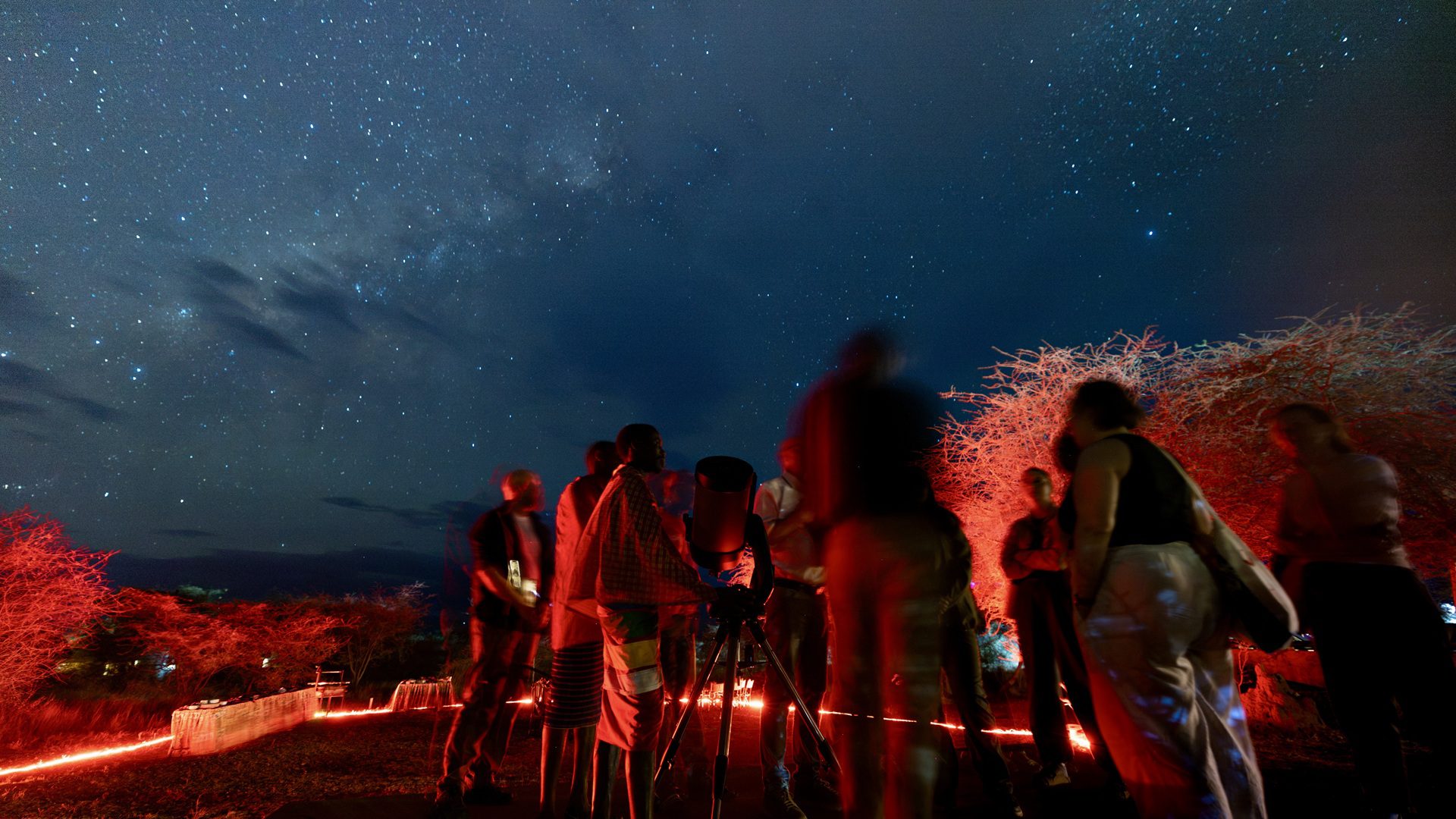
5. Learn about Indigenous Samburu sky knowledge in Kenya
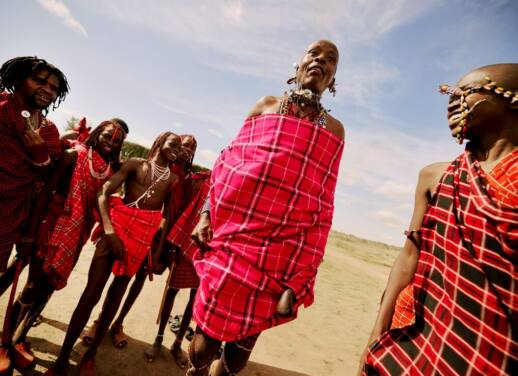
The Indigenous Samburu people of Kenya trace their ancestry to the planet Venus, from where their god, Nkai, built a ladder and invited the people down to Earth. This is what I learned from a local astronomer when I visited Samburu a couple of years ago.
Though most people think only of spotting the Big Five species on a Kenya trip, there’s a good reason to look up, too. The Kenya Safari Adventure takes you off the beaten track to Samburu National Reserve, one of the destinations featured on Intrepid’s 2027 Not Hot List – which highlights places where travellers can venture beyond the usual tourist hotspots. In Samburu, you can sign up for an optional stargazing activity that combines astronomy with traditional storytelling around a fire pit, revealing how Samburu cultural knowledge connects the land with the sky.
6. See the high-desert sky and visit a meteorite museum in Chile
Travel through the extraordinary landscapes of northern Chile, with two nights in San Pedro de Atacama – the epicentre of tourism and stargazing in the Atacama Desert – on the 18 to 35s Real Bolivia & Argentina trip. Thanks to its high elevation and dry climate, the region has reliably clear skies year-round and is home to some of the world’s most important science telescopes.
Optional activities include getting out into the desert to see a starry dome like no other and visiting the Meteorito Museum, where you can handle real meteorites, test their magnetic properties and learn how to tell them apart from ordinary desert rocks.
Read more: Not Hot List 2027: Exploring Samburu, Kenya


7. Stand under a glittering sky at Wadi Rum
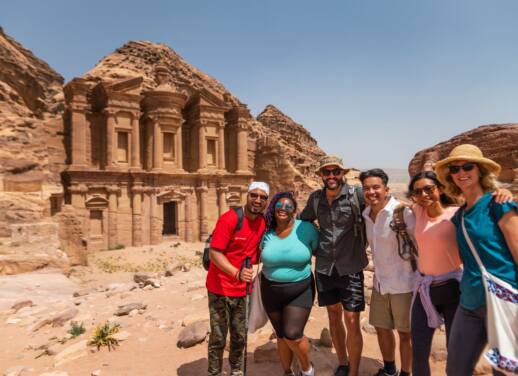
Jordan’s Wadi Rum is nicknamed the Valley of the Moon, and its starry skies are very much worth staying awake for. This desert landscape of sandstone mountains and sweeping red sands is the setting for two nights on a new Intrepid trip launching in 2027: Jordan Uncovered.
After exploring the desert by 4WD and learning traditional Bedouin breadmaking during the day, in the evening a guided astronomy experience takes you on a journey through the night sky. You’ll learn to recognise celestial objects you can see with the naked eye, before taking a closer look at the details of our solar system, like Saturn’s rings and the moons of Jupiter, through a telescope. With the desert’s dramatic rock formations silhouetted against the stars, it’s a spectacular setting for a lesson on the universe.
8. Stargaze with a naturalist at Yosemite
Intrepid’s West Coast Discovery trip includes two days hiking amid Yosemite National Park‘s massive granite cliffs, giant sequoia trees, glacier-carved valleys and thundering waterfalls.
Come nightfall, join a guided stargazing session with a naturalist from the Yosemite Conservancy – the official nonprofit organisation dedicated to protecting Yosemite’s natural habitats. You’ll learn the basics of astronomy and nighttime ecology, as well as local Indigenous sky knowledge, while discovering what makes Yosemite such a special place to observe the stars.
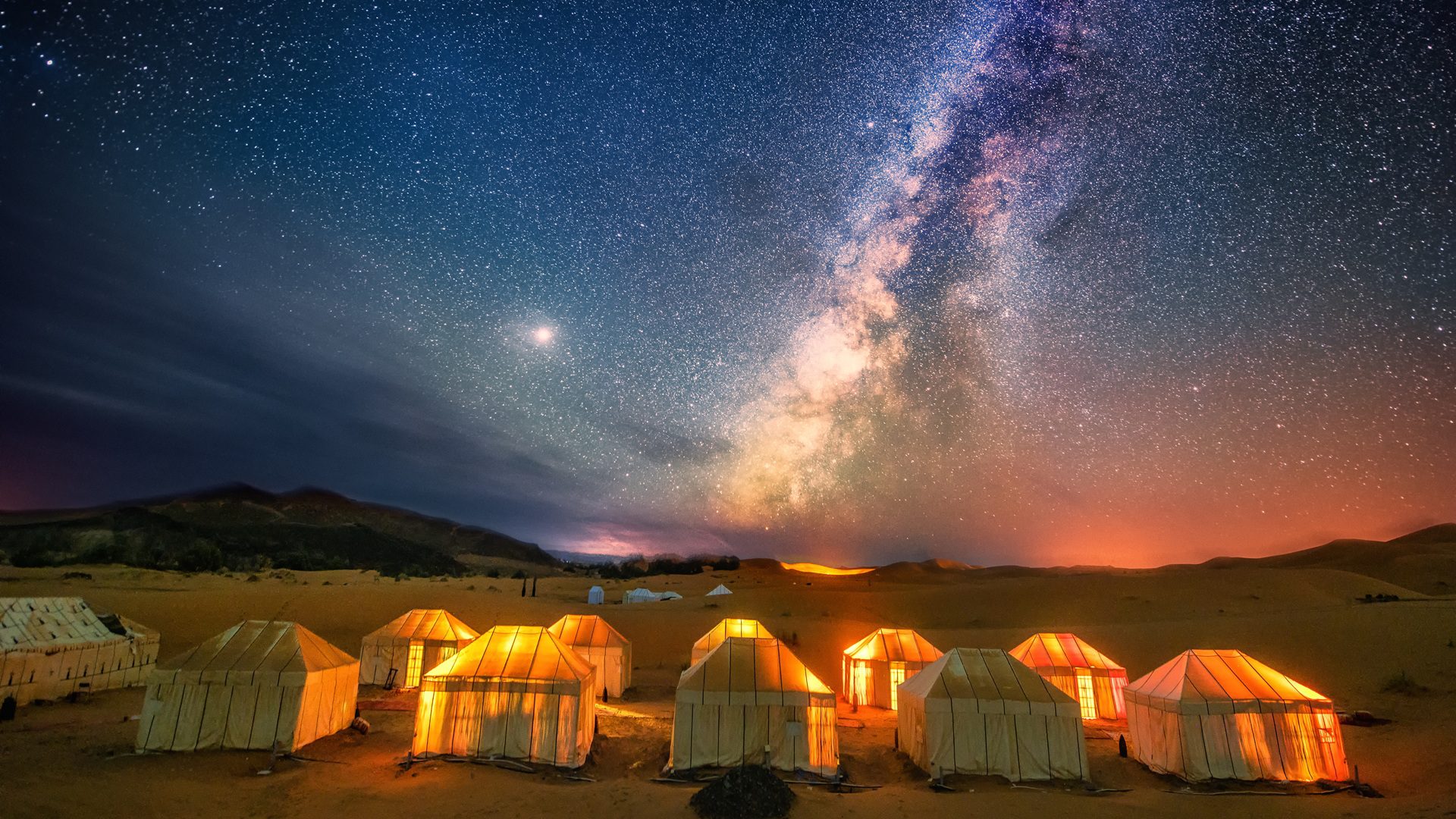
9. Go stargazing in Morocco’s dark deserts
Morocco’s cities are tremendous fun, but after the excitement and noise of the medina, you may want to escape to the quiet of the desert. On the Premium Morocco Highlights trip, venture beyond Fes and Marrakech into the rocky landscapes of the Agafay Desert to spend the night at a desert camp typical of Bedouin culture.
After sipping traditional Moroccan tea and relaxing as the sun sets, you’ll join a stargazing session with a local astronomer, who’ll point out planets and constellations. Bring your curiosity and an extra warm layer to stave off the evening desert chill.
10. Hike to a starry mountaintop in Bosnia and Herzegovina
The Hiking the Balkans: Via Dinarica trip takes you through some of southeastern Europe’s most spectacular mountain landscapes, where the light pollution covering most of the continent fades away and the stars pop out clear and bright.
In Bosnia and Herzegovina, you’ll tackle a rigorous hike through Blidinje Nature Park towards the dramatic Hajducka Vrata rock formation. After reaching a plateau on Cvrsnica Mountain, settle in for an evening of guided stargazing with an adventurous edge – and some serious mountain scenery.


11. Stay overnight in a certified International Dark Sky Community
You don’t always need to travel deep into the wilderness to find a great star-studded sky. Springdale, Utah, the gateway to Zion National Park and its neck-craning, vertical canyon cliffs, is an International Dark Sky Community, recognised for its efforts to reduce light pollution and protect the national park’s dark skies.
On the Best of Western USA trip, you’ll spend a night in Springdale, giving you the chance to step outside and admire the stars independently. Strict local lighting ordinances ensure the town uses downward-facing light fixtures to cut pollution, helping preserve remarkably clear views of the night sky even from town.
Ready for adventure? Cast your gaze over Intrepid’s starry constellation of small-group trips.