Japan’s iconic cherry blossoms are popular for good reason. Tap into local knowledge to unearth the best ways to make the most of the fleeting spring season, while travelling responsibly and respectfully.
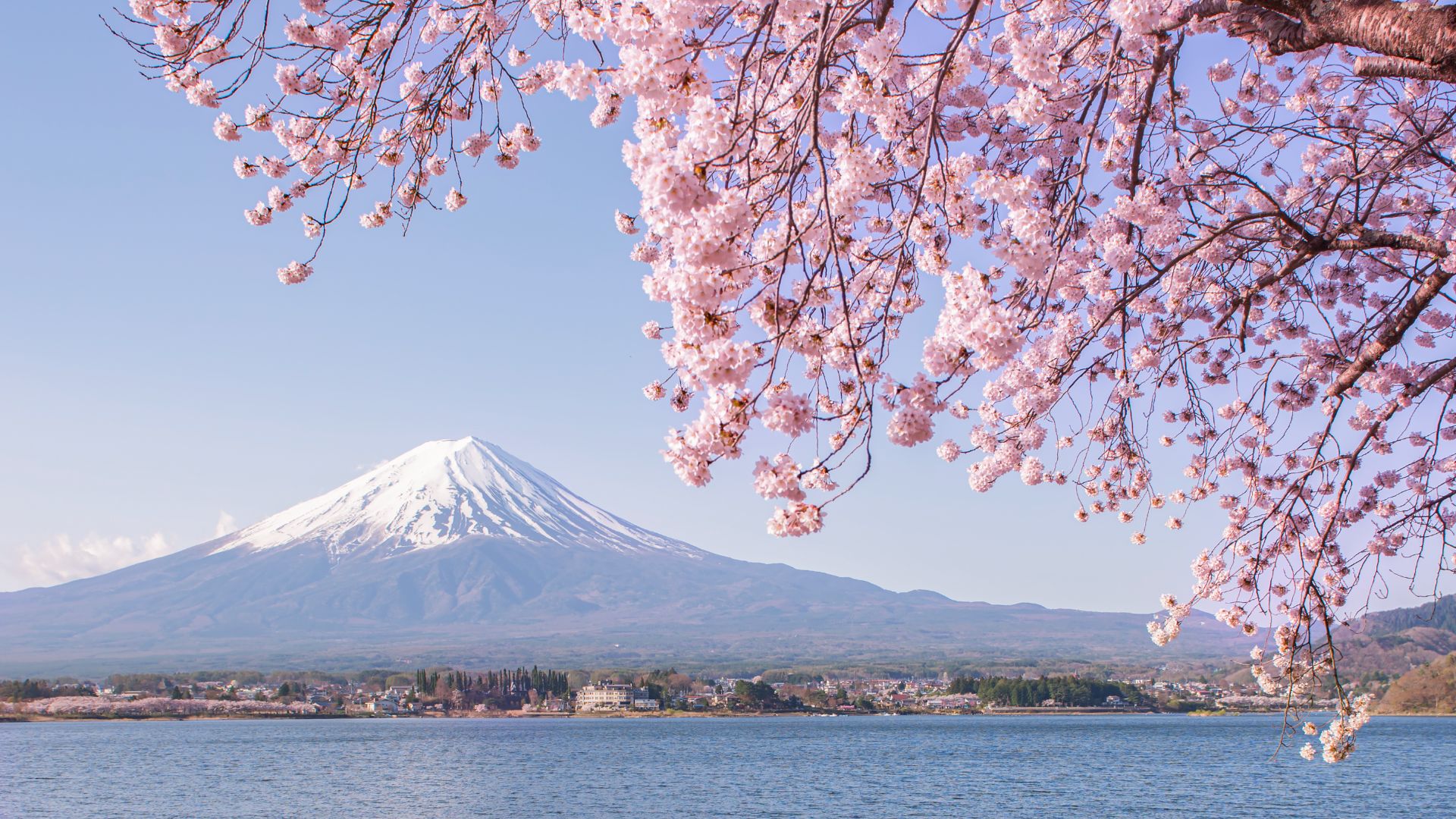
Fluffy-looking pink and white trees framing an ancient temple. Petals falling like snow. When you dream of a trip to Japan, the romanticised image of sakura (cherry blossoms) probably flitters across your mind.
For some, it’s a pretty photo op. For others, it’s the gentle appreciation of fleeting moments. And that’s exactly what it is – fleeting. The actual blooming season only lasts around two weeks, so a trip to see this legendary landscape requires thinking ahead but also a little adaptability and acceptance that you might not see them.
Sakura are pretty much the poster child for the Japanese idiom ‘mono no aware’ – the pathos of things – the awareness of the impermanence of life and the quiet emotion it brings. Cherry blossoms have long embodied this concept, which is why the tradition of hanami (flower viewing) celebrates not just the blossoms’ beauty, but the fact that they never last long.
So, where should you go? When’s the best time to visit? And what happens if your timing doesn’t work out and you miss the blooms altogether? On top of that, you might have seen reports of the impact of too many tourists flocking to Japan for cherry blossom photo ops. There’s a lot to unpack – from deciding when and where to go, to figuring out how to do it responsibly. Let’s dive in.
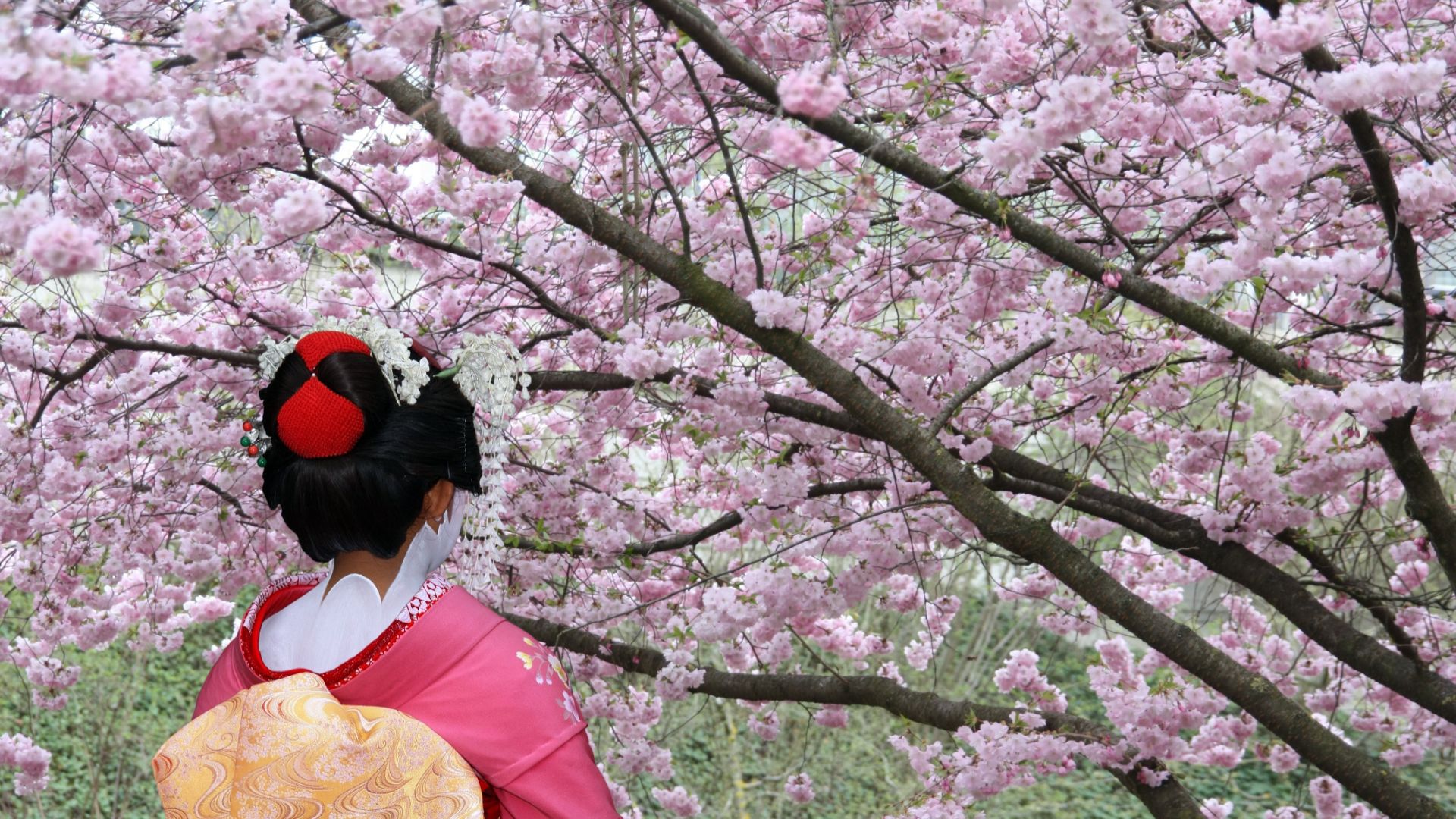
The best times to catch cherry blossoms across Japan
Cherry blossom season in Japan is short and sweet. Blooms usually appear from late March to early April – sometimes up to May – and last just a week or two. Tricky to plan around? Yes. But that fleeting beauty is part of the magic – not everyone catches the peak bloom.
Because of Japan’s climate, blossoms open first in the south then spread north. The classic pale-pink somei yoshino is the iconic image, but you’ll spot deeper pinks, soft yellows and even green varieties. Some early bloomers appear as early as February, and a few autumn cherries pop up between October and January.
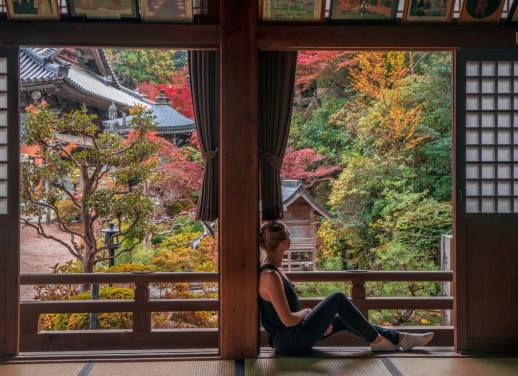
Speaking of which, don’t overlook autumn for incredible foliage displays in its own right. From mid-September to early December, fiery maples and golden gingko trees sweep from north to south, peaking in cities like Tokyo and Kyoto in late November. It’s colourful, dramatic – and far less crowded than sakura season.
Read more: Things to do in Japan that most travellers miss
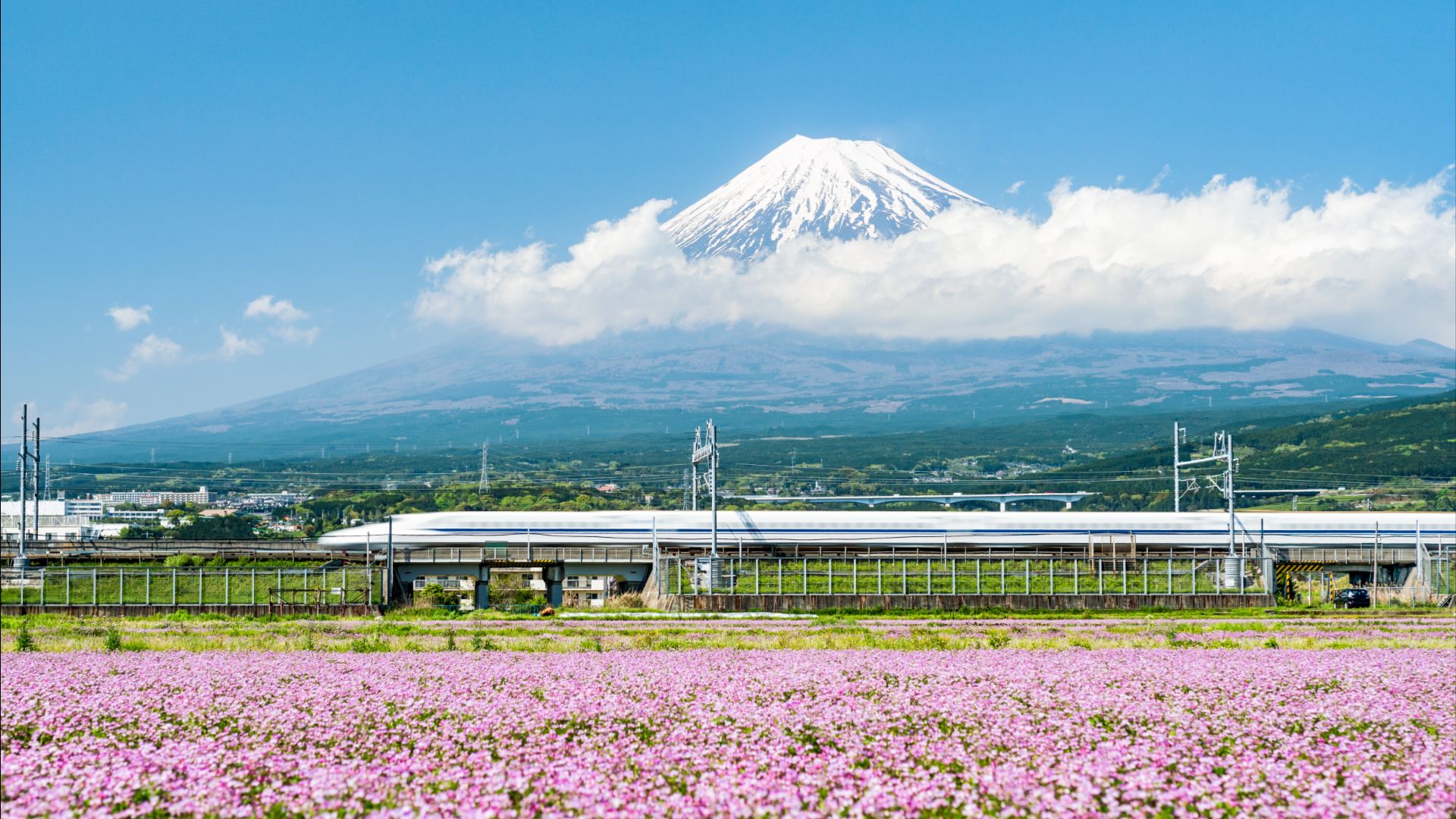
Beyond the bloom: a mindful way to visit
So, real talk. The magic of cherry blossom season can draw huge crowds. And those crowds don’t always land well with the locals.
Wherever you travel, listening to and respecting locals should always come first. No one understands a place better than the people who call it home.
Kenny Onishi, general manager of Intrepid Japan, explains that some smaller rural areas have even cancelled cherry blossom festivals due to overtourism. Behind those beautiful photos is a real concern: daily life can be disrupted when visitor numbers surge and when those visitors aren’t respectful of local life and etiquette.
Lean into local perspectives
That’s why thoughtful travel matters: Choose locally owned stays, spend money at small businesses and consider travelling with a local leader who can introduce you to considerate community experiences. Japan is worth a visit for its unique blend of ancient and futuristic elements, its celebrated cuisine and rich culture. If you happen to catch cherry blossoms in the backdrop, that truly is special – but if not, you won’t even notice anything’s missing.
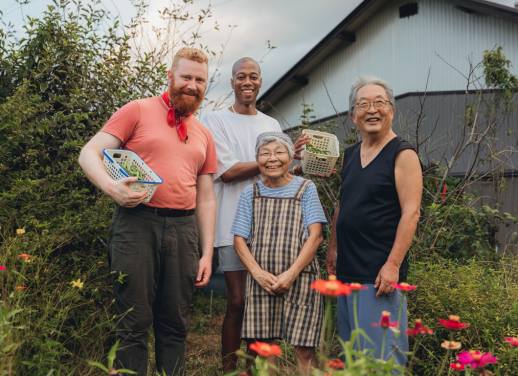
You’ll be too busy laughing with locals at a homestay, or trying hands-on cultural experiences, like tea ceremonies, craft workshops and regional cooking – the things that allow you to meet and support local communities directly.
Because in the end, it’s not just about seeing Japan at its prettiest. It’s about experiencing it in a meaningful way.
Read more: Where to go in Japan based on your travel vibes
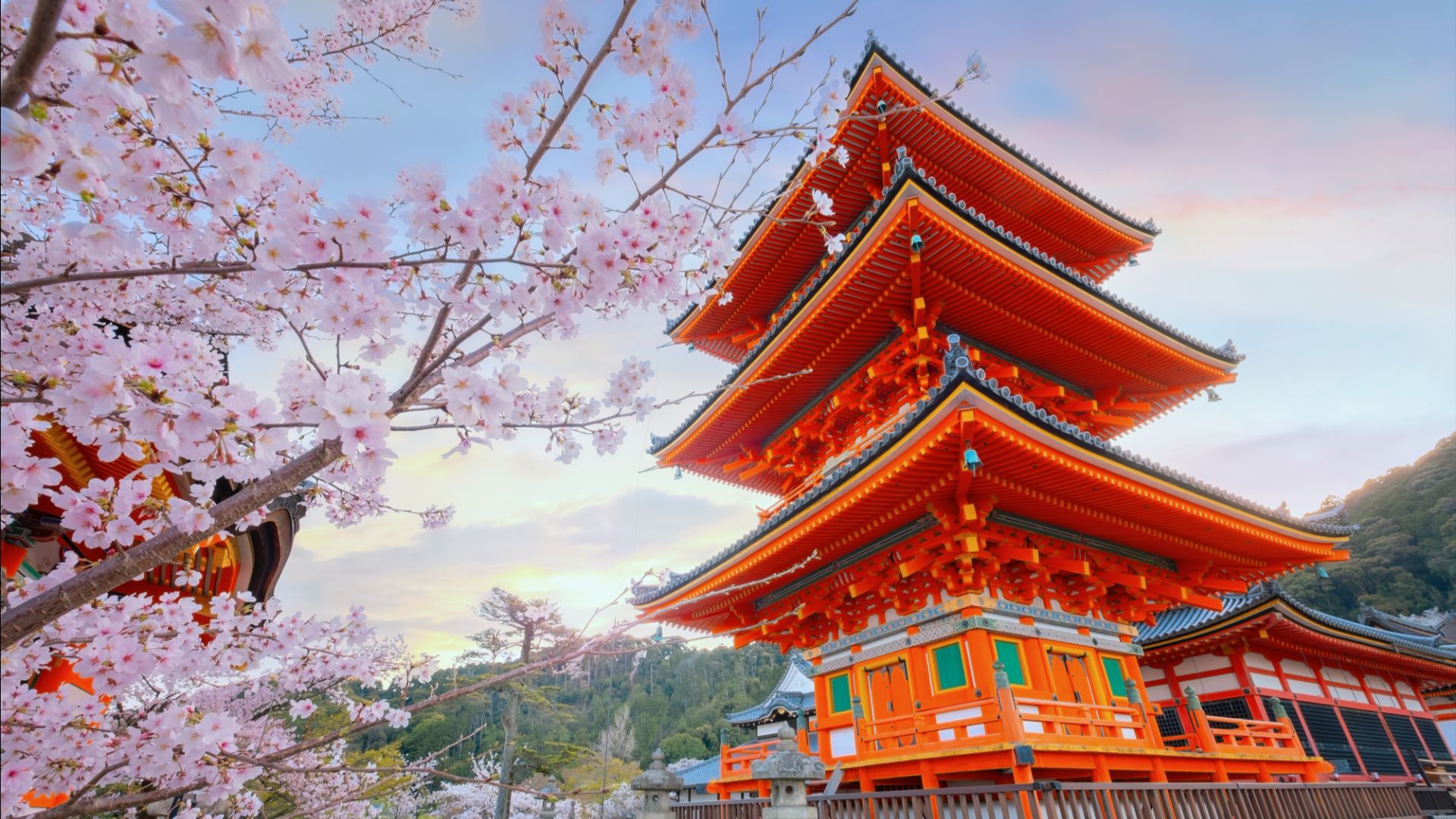
Where to see cherry blossoms (and lots more) in Japan
There are lots of places to enjoy Japan in full bloom, but a top tip? Pick one or two spots and take your time. As Kenny says: ‘The best way to enjoy sakura is like the locals do – with a picnic under the trees, which we call hanami. Hanami is a celebration of the beauty – and short-lived nature – of the season. Full bloom is best as the petals fall with wind like the snow.’
What began in ancient times, when blossoms were associated with Shinto beliefs and the presence of deities, has evolved into a centuries-old tradition celebrating the arrival of spring. Today, it symbolises mono no aware and is marked by picnics and shared meals beneath the blooming trees.
Tokyo
Whether it’s spring’s soft pink sakura or autumn’s momiji (Japanese red maple foliage), Tokyo feels wonderfully transformed by the seasons as spots like Ueno Park and the Meguro River turn into dreamy tunnels of colour.
Ueno’s thousand cherry trees – which often bloom a few days earlier than elsewhere in the city – are lit up and illuminated at night for yozakura (night sakura viewing) in spring, while autumn brings a mix of red maples and golden ginkgo leaves near historic temples. Along the Meguro River, pale pink petals drift across the water, and in late November to early December, the riverside glows red and amber, offering crisp air and a calmer, more peaceful atmosphere than the spring rush.
Tokyo beyond the blossoms
Tokyo is electric year-round. Yes, it’s one of the busiest cities in the world, but outside of peak-bloom season, you’ll have a little more breathing room to enjoy its parks, rivers and neighbourhoods. It can feel overwhelming solo, but travelling with a small group and a local by your side can help you uncover hidden corners you may otherwise miss. Wander the traditional streets of Asakusa, dive into a depachika (underground food hall) or learn to craft nigiri with an expert.
Read more: Everything I wish I knew before going to Japan
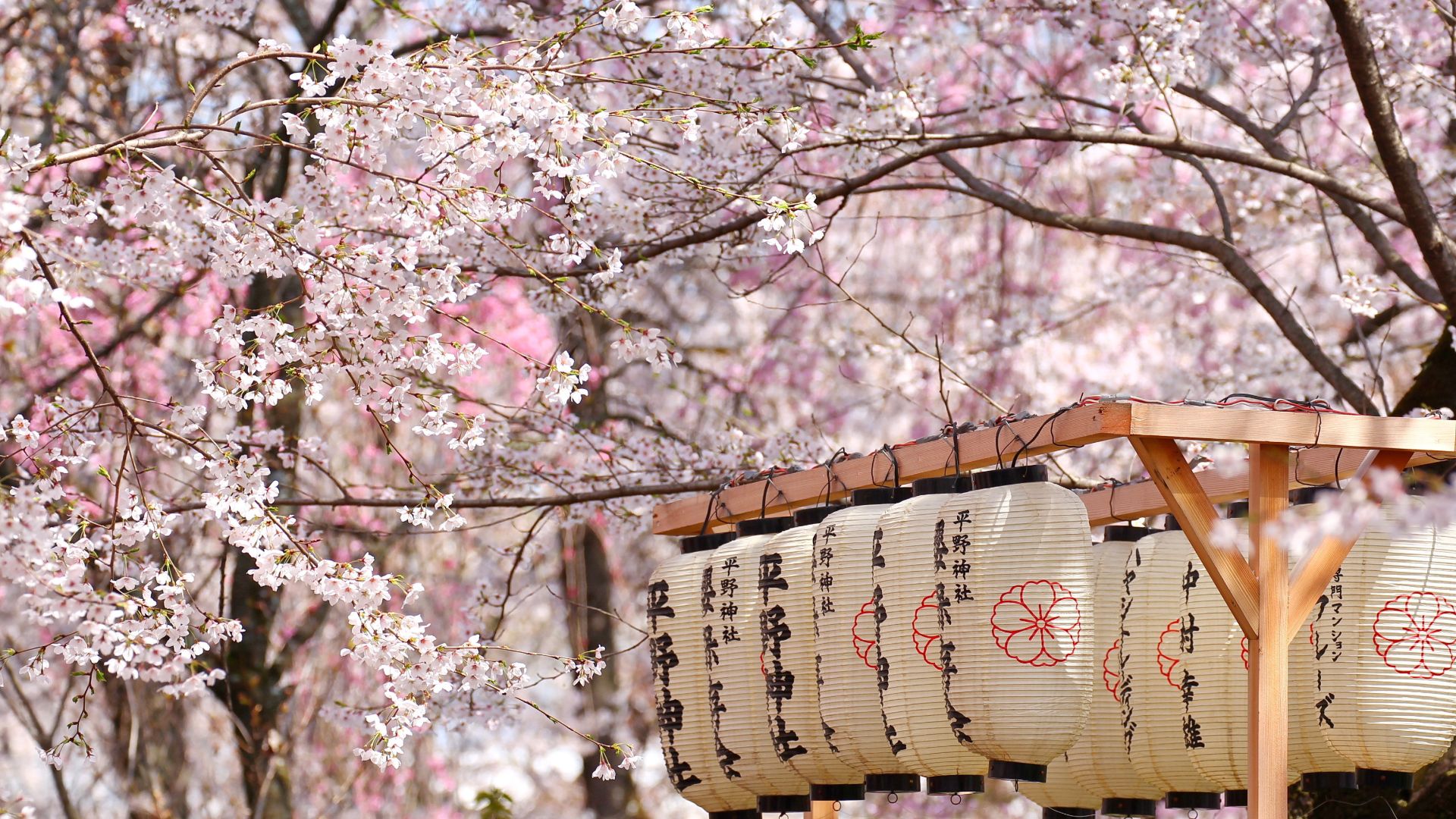
Hokkaido
The cherry blossoms in Japan’s northern island bloom later than the south, popping up around late April to mid May. In contrast, autumn arrives early, dressing landscapes in vibrant yellows, oranges and reds from late September to late October.
In Sapporo, mountains and ski hills frame the city. Spring brings blossoms to around 1400 cherry trees at Maruyama Park and Hokkaido Shrine, along with plum blossoms and other seasonal blooms. When autumn hits, maples and ginkgos light up the streets with golden hues. Summer even gets her own time to shine here, with local farms carpeted in lavender fields from late June to early August. Swing by Tomita Farm, with one of the oldest lavender fields in the country, on Intrepid’s Northern Japan & Hokkaido Adventure.
Hakodate, at the southern end of the island, is another popular spot with a festive atmosphere that lights up its blossoms at night. For the best view, head up the Goryokaku Tower to see the star-shaped public park from above, and the red maples colouring the streets and hillsides as early as September.
Hokkaido beyond the blossoms
Hokkaido has so much to offer beyond cherry blossoms. Wander the dramatic landscape of Hell Valley in Noboribetsu, which sits inside Shikotsu-Toya National Park, where bubbling hot springs make for natural hot tubs. Stay at a cosy ryokan (traditional Japanese inn), soak in an onsen (hot spring) and enjoy local meals for the kind of holiday that’s actually relaxing.
Or skip the crowds and find peaceful adventures, like canoeing across Lake Shikotsu or learning about the Indigenous Ainu people at the Kawamura Kaneto Ainu Museum. And if you visit Sapporo in February, you might catch the magical Snow Light Path Festival, where lanterns and glowing snow sculptures turn the city into a true winter wonderland.
Hirosaki
Hirosaki is a charming northern town, famous for Hirosaki Castle and its spectacular cherry blossoms each spring. Over 2500 trees bloom in Hirosaki Park, with petals drifting across the moats and evening illuminations bringing the area to life.
From mid-October to early November, the same park transforms into a vibrant mix of red, orange and gold, with maple trees framing the castle and crisp northern air making strolls especially refreshing. Combined with apple orchards, samurai-era history and mountain views, Hirosaki is a beautifully atmospheric destination year-round.
Hirosaki beyond the blossoms
Even outside of these seasons, Hirosaki has plenty to offer. In winter, snow blankets the park, creating a serene, photogenic landscape. August brings one of the most famous festivals in Japan – the Nebuta Matsuri – featuring large floats depicting warriors and mythical creatures. Year-round, you can see some of the floats on display in Tsugaru Neputa Village.
Read more: Meet Japan’s trailblazing female sake brewer
Nara
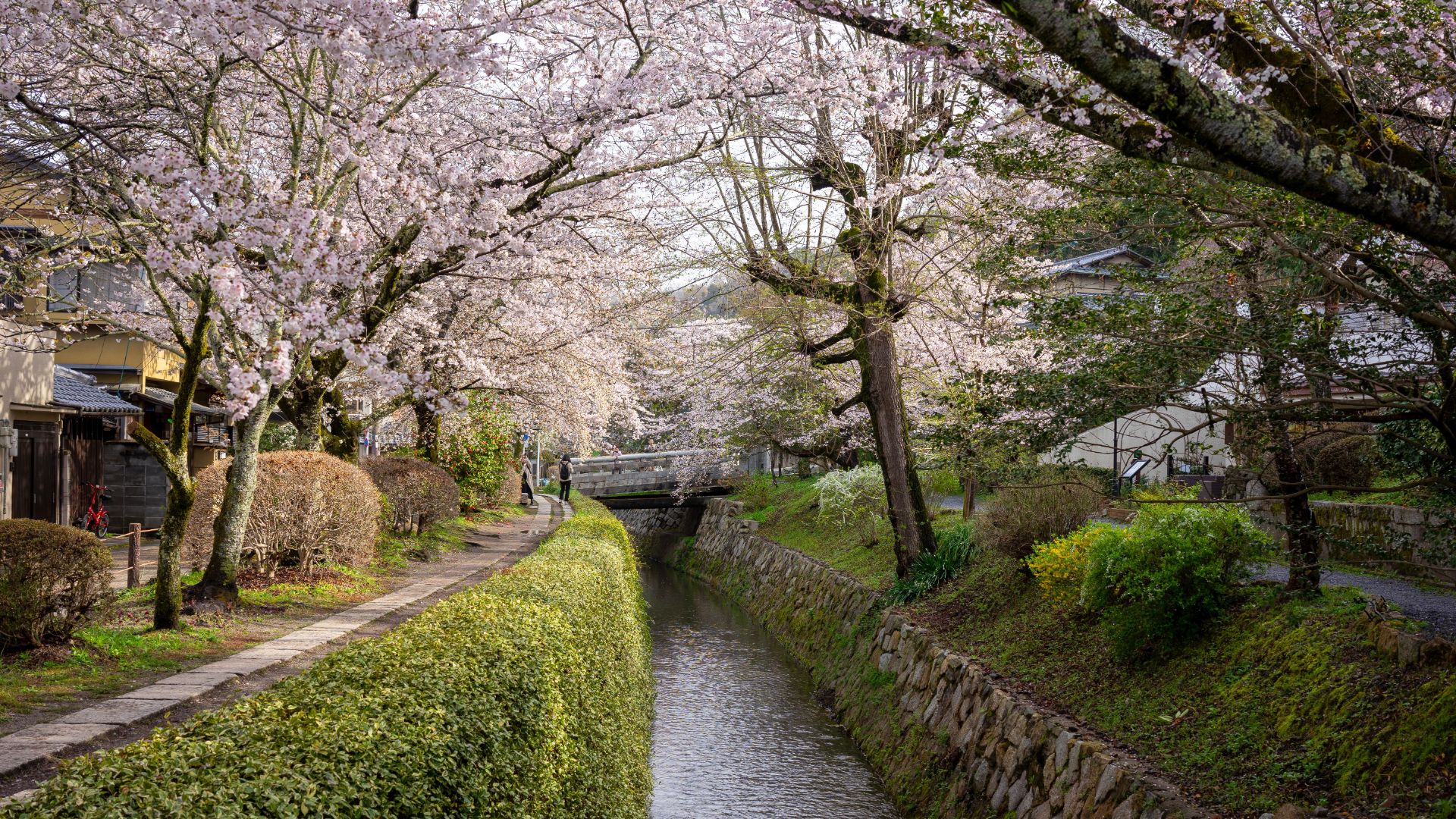
Sitting on the outskirts of Osaka, Nara is a serene cultural escape full of history, traditional streets and seasonal scenery. It’s famous for Todai-ji Temple with its giant Buddha, historic shrines and friendly deer roaming Nara Park – a place where Kenny says you can enjoy the blossoms while picnicking as sacred deer graze in the distance. In spring, cherry trees bloom around temples and parks. Come autumn, maples and ginkgo take over the park and turn it into a warm, colourful canvas.
For a more dramatic seasonal display, Mt Yoshino is a must. In spring, over 30,000 cherry trees cascade across terraced slopes. ‘My favourite place to enjoy cherry blossoms is Mt Yoshino. This place is special to me because it’s my mother’s hometown and the first place I saw cherry blossoms in full bloom’, says Kenny. In autumn, the mountainside turns into fiery reds, oranges and golds, with quiet trails and viewpoints perfect for soaking in the colours.
Nara beyond the blossoms
If you’re not going to make it for any foliage seasons or you want to branch away from the typical tourist route, consider a cycling trip through the mountains and riversides of Japan. Not only will you cruise through Nara, but you’ll also roll through the less-visited riverside town of Gujo Hachiman and cycle through quiet landscapes, see bamboo forests and get to see the country from a whole other perspective. Now that’s one way to get off the tourist trail.
Kyoto
Japan’s cultural heart is home to over 2000 temples, shrines and gardens, with traditional architecture and historic streets that make it timeless. Its Gion district and temple grounds bloom with cherry trees in spring, and reds and golds come autumn.
In Arashiyama, stroll the photogenic Bamboo Grove near Tenryu-ji Temple, cross the iconic Togetsu-kyo Bridge or cruise the Hozu River to watch cherry and plum blossoms pop up in spring or maples blaze in autumn. Meanwhile, Fushimi Inari Shrine is a must-visit all year, with its endless torii gates winding up the mountain and the most vibrant colours appearing in November, when red leaves mingle with the orange gates and lush green forest.
Kyoto beyond the blossoms
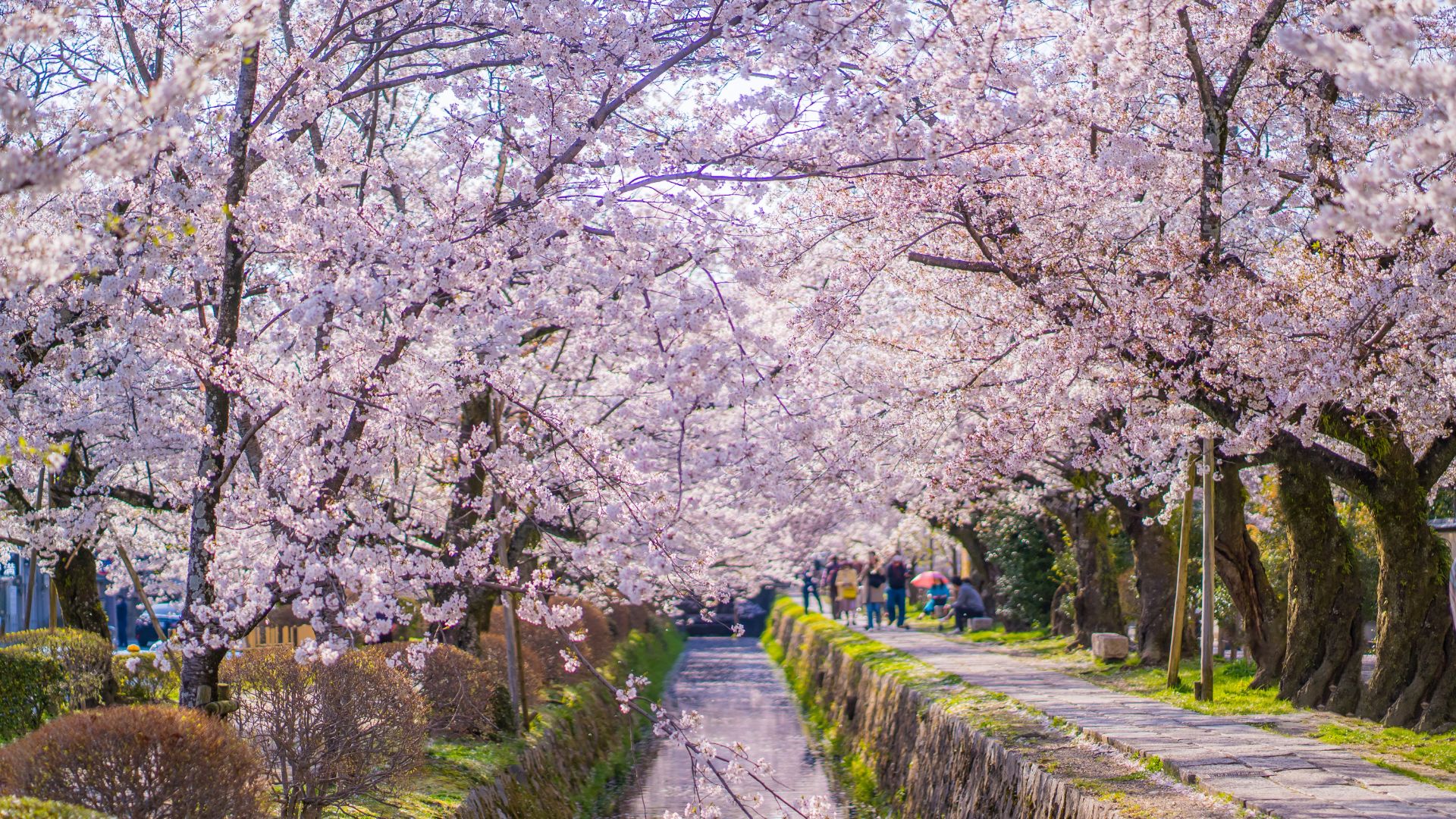
Kyoto’s magic isn’t just in the blossoms – it’s in the people and cultural experiences they share. Try learning from traditional craftsmen, like mastering the art of Kyo Yuzen dyeing, or take part in a tea ceremony. Chado – the way of the tea – teaches the ceremonial preparation of matcha and learning it from the pros is an experience you’ll carry far longer than any photo of a flower.
Read more: Behind the scenes of a rural homestay in Japan
Hakone
Step out of the city and into the mountainous onsen town of Hakone, tucked into the foothills of Mt Fuji. Kenny says: ‘Hakone is a good place to see the blossoms, especially when the sky is clear – you can take a photo of the cherry blossoms with Mt Fuji in the background, if you’re lucky.’
Spring brings panoramic views of Lake Ashi and Mt Fuji framed by cherry trees in Onshi Hakone Park, along with 150 illuminated trees along the Miyagino Hayakawa riverbank. Ride the Hakone Ropeway or explore temple gardens for sweeping foliage views, then unwind in soothing onsens to round off the day.
Hakone beyond the blossoms
Hakone is perfect for slowing down and soaking up Japan’s slower pace. Stay at a traditional ryokan and relax in an onsen, explore the open-air galleries at Hakone Open-Air Museum, stroll historic checkpoints along the old Tokaido Road or take a scenic boat ride on Lake Ashi. On a Premium trip with Intrepid, you could even stay in a ryokan with your own private onsen.


More than just sakura season
Go forth and see the cherry blossoms bloom, just remember to listen to – and respect – the local communities, by being considerate about the role your visit plays in the lives of the people who call this place home.
Bloom season is short – only two weeks – but the perks of visiting Japan and getting to know its culture on a personal level are in-season all year round. Like spending the night on a local tea farm in Kawane or learning how to make incense in Takayama. Experiences like this really let you live the mono-no-aware ethos that draws us to the cherry blossoms in the first place. If you happen to catch a cherry tree in full bloom while you’re doing it, that’s an added perk.
Seize the moment and book a meaningful trip on a small-group adventure in Japan.