At home in Canada, writer Liisa Ladouceur lives a table-for-one lifestyle. But on a small-group trip in North Africa, she finds camaraderie and comfort in communal meals.
‘You’re not my guests, you’re my family.’ It’s the kind of thing I’ve come to expect to hear when travelling in North Africa. In Morocco, in Egypt and now here in Tunisia, I’ve found nothing but next-level hospitality, especially when I’m fortunate enough to share a meal with locals.
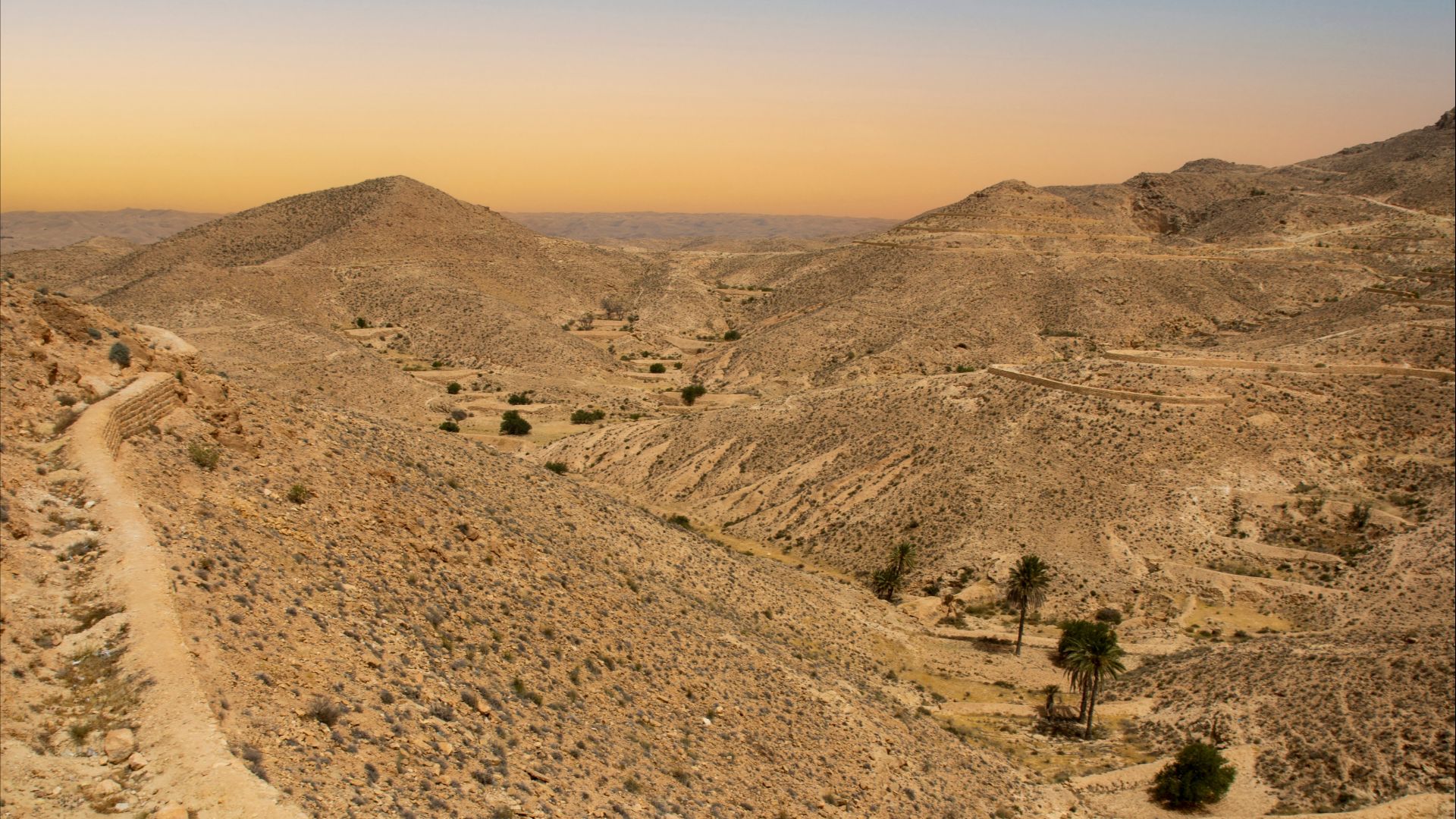
So, I’m not too surprised when Taoufik welcomes our group to a lunch in his Amazigh family home in Matmata – where locals live in traditional underground troglodyte dwellings – with this warm greeting.
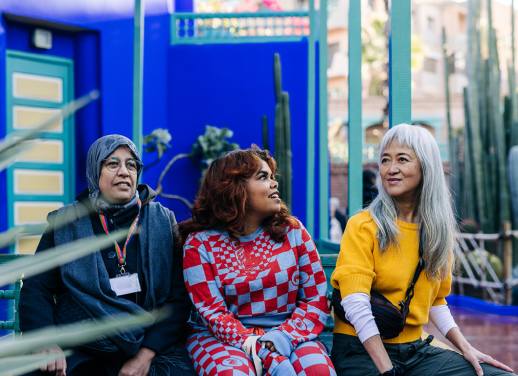
Looking around the table, as everyone starts passing around the fresh bread baskets and the best olive oils we’ve ever tasted, I’m taken aback by how much my trip mates have started to feel like family, too.


Modern city living and meals
As a single woman living alone in Toronto, I eat most of my meals solo. This makes me part of a trend in North America, where more of us are dining at our desks or in front of our screens instead of around other people. From listening to podcasts about happiness, I know that this is bad news.
Studies show that shared meals contribute directly to our wellbeing, decreasing depression and boosting our moods. I don’t need to read the fine print to notice a slump in my own life as in-person get togethers have become rarer.
The work hustle is real, as is inflation. For my friendship group, restaurants are now something for special occasions, not weekly hangouts. And the shift to remote work means I no longer enjoy the daily company of colleagues over lunch. I want to make a change to combat this loneliness, but at home, it’s hard.
Read more: Mastering the art of calligraphy in Tunisia


Sharing meals that matter in Tunisia
By the time I find myself eating in Taoufik’s home, a traditional cave dwelling carved into the rock, with simple furniture and decor, I’ve been travelling on the Tunisia Expedition with my Intrepid group for almost a week.
During that time, we’ve shared most of our meals together. And slowly, without even noticing, eating with these strangers has become one of the highlights of the journey.
It starts in Tunis when our tour leader, Yassine, takes us out for lablabi – a hearty Tunisian chickpea soup assembled with bread, poached eggs, olive oil and harissa. It’s a dish nobody in the group has ever tasted before and we laugh together at the ebullient flourish of the chef and Yassine’s encouragement to add more spicy harissa to our bowls. (In Tunisia, I learn there’s always room for more harissa.)
Together, we also try fresh prickly pear fruit from a street vendor and sip from small cups of date-palm sap offered by a sun-weathered sharecropper we are lucky to visit at the start of his harvest. As a group, we queue at bakeries for local makroudh cookies in the inland desert city of Kairouan and delight in trying bambalouni doughnuts in the northern coastal town of Sidi Bou Said. These collective experiences make it easier to sample new things and inject a sense of shared fun into finding our own Tunisian favourites.
For me, that’s brik. Or, as some of us exclaim with delight every time it appears on the table, ‘breeeeeek!’ This paper-like savoury pastry (full name: brik a l’oeuf) – which includes a runny egg and herbs – is deep fried until crispy golden brown like a Tunisian samosa. It becomes a treat not only because it’s delicious, but because the excitement for its arrival is shared.
Read more: 26 new trips and experiences to inspire you


Food as a shared love language
What does it mean to ‘break bread’? The term has religious origins, as seen in the New Testament phrase ‘it’s hard to remain enemies when you’ve broken bread together’. But the idea of food as fellowship is universal across different cultures and beliefs. It’s how we welcome guests into our home. It’s how we celebrate important events. The word nerd in me also notes the connection to ‘companion’ – which combines the Latin ‘com’ (with) and ‘panis’ (bread.) Whichever way you look at it, food is a shared love language that’s been lived out over centuries.
I do, of course, also have good memories of excellent meals enjoyed in my own company. As a solo traveller, I will happily sit on a terrace, sipping tea and people watching, or sidle up to a bar and strike up conversations.
But there’s always been something missing on those trips. In-jokes, for one thing, the late-night laughter brought about when remembering a particularly bizarre or amazing food discovery. And the kind of camaraderie that only happens sitting around a table with a group, when your guard comes down over wine and/or cheese (or perhaps a spicy tajine) and you make real connections.
Read more: 14 unmissable new food and drink experiences


From the Sahara to Star Wars
On this Tunisia Expedition with Intrepid, that happened every day. We started gathering well before dinner time for drinks and deep talks, where vulnerable conversations turned strangers into friends. One night, someone started a game of ‘Top five things you love in your city’ which kept us at the table long after the plates were cleared. And definitely inspired a few new future trip ideas among our new group of friends.
Some of those meals were in extraordinary settings, which helped. Like in the Sahara, where we watched bread bake on hot coals in the sand. Or a private stable surrounded by forests in Gammarth, where we met beautiful horses, and those who drank alcohol sat around sampling Tunisian wine with our homemade lunch. Or at Taoufik’s troglodyte cave dwelling – a natural conversion starter, as it resembles those used as shooting locations for Luke Skywalker’s home in Star Wars.
Still, it was the small moments – like learning someone’s favourite drink and getting it for them without being asked, or offering to share your stash of fresh dates on a long drive, or choosing to eat together, even when we had free time – that will stick with me.
My favourite meals were those served family-style, with heaped dishes of couscous, carrot salads and ojja (Tunisia’s version of shakshuka eggs) passed around between us.
These took me back in time to extended family gatherings at my grandparents’ house in Canada and how much I miss when up to 25 of us would eat elbow-to-elbow around the large wooden table. The food was very simple, often made from what grew that year on the farm. Nothing like the cuisine of Tunisia, with its mix of Amazigh, Arab, Jewish, Turkish, Italian and other influences. And absolutely no harissa. But the feeling remains the same: comfort.
Where I live in North America, the idea of eating well often refers to what you eat. With my group in Tunisia, I was reminded that it can also mean who you eat with. I’m not a scientist or a doctor, but I’m quite sure that my personal happiness index went up with every shared meal on this adventure. That’s a lesson I’m taking home with me for life.
Writer Liisa Ladouceur travelled to Tunisia on a small-group tour with Intrepid.