Writer Sarah Gillespie discovers how travellers will get the chance to live among the itinerant Tsaatan people as part of a new Intrepid expedition for 2026.
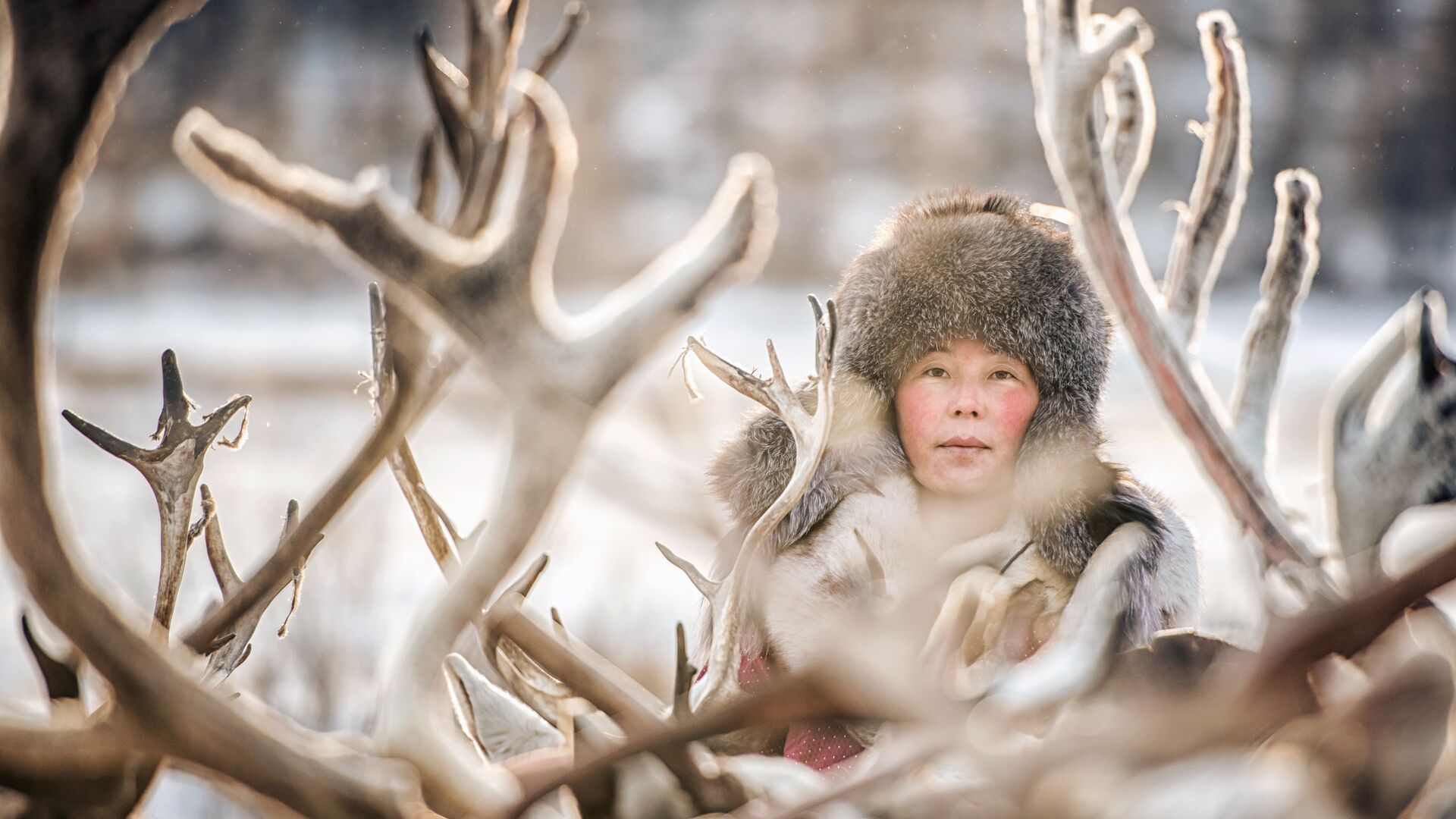
Wherever they roam, a nomadic Tsaatan reindeer-herding family typically starts the day early in the morning. The wife wakes first to make the fire and tea. Later, the husband gets up to check the reindeer.
After breakfast, they milk the reindeer if it’s milking season; then, together they attend to odd jobs, such as carpentry, cutting trees for firewood and working reindeer hides into harnesses, bridles, belts and saddles. The women sew clothes and make reindeer milk into cheese, yoghurt and curds, while the men repair equipment such as reindeer sleds and guns for hunting. In winter, they butcher reindeer meat for food.
On Intrepid’s new trip, Mongolia Expedition: Reindeer Herders, you’ll get the chance to share in this simple, sustainable way of life, by following in the footsteps of the Tsaatan people while staying with them for two nights to eat, sleep and better understand their way of life.
Read more: 26 totally new Intrepid trips and experiences
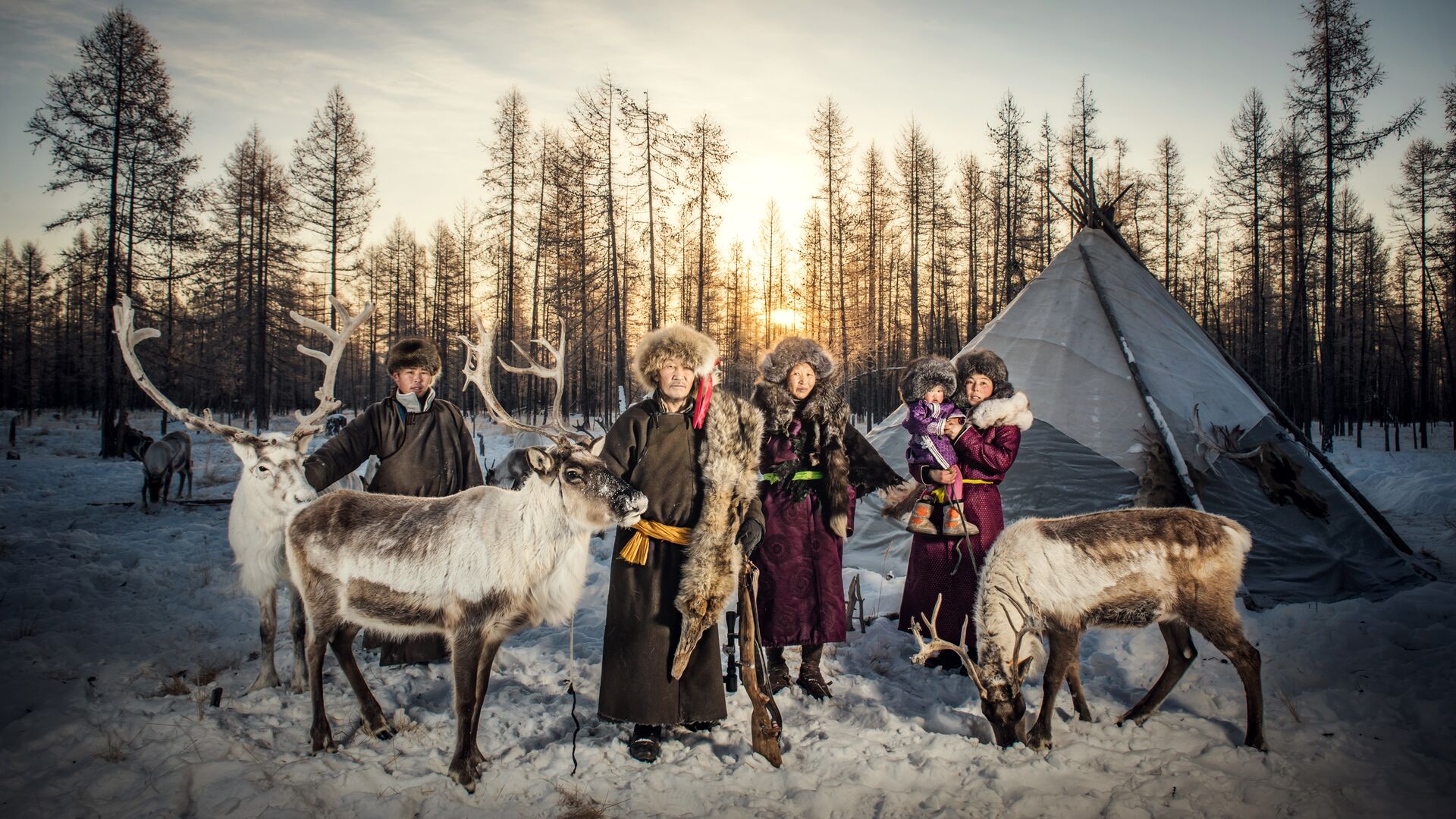
About the Tsaatan way of life
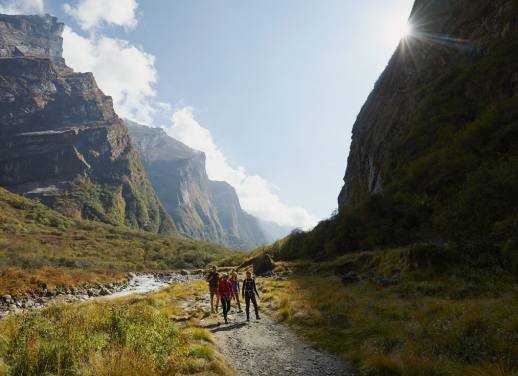
The Tsaatan, who call themselves Dukha, live in Mongolia‘s northern taiga: dense, coniferous forest on the edge of Siberia. This taiga blankets the land, stretching to the high, jagged mountains where the reindeer graze on their favourite food: moss.
The Tsaatan are Turkic people; the name ‘Tsaatan’ means ‘those who have reindeer’ in Mongolian. They are a sub-group of the Tuvan people of nomadic, tent-dwelling tribes, who mostly live in what is now the Tuvan Republic of Russian Siberia. When borders were redrawn in 1944, a few thousand Tuvans – from a total of 264,000 – ended up in Mongolia.
Of the Mongolian Tuvans, only a tiny fraction – around 300 – are Tsaatan following the traditional lifestyle. Unlike other Mongolian Tuvans, who live in gers (yurts) and practice Buddhism, the Tsaatan are a shamanistic people who live in ortz – similar to teepees. They speak both the Dukhan language and Mongolian.
The taiga’s unforgiving landscape has shaped the Tsaatans’ lifestyle. ‘In the thick forest, it’s almost impossible to have any other animals,’ says Timur Yadamsuren, the Intrepid leader who’ll be leading the first Mongolia Expedition. ‘So, their only option is to raise reindeer.’
According to Timur, the reindeer’s main uses are, in descending order of priority: meat, milk and leather. ‘They used to use the hides for making teepees, but these days the hides are expensive, so they also sell them and use canvas to cover the teepees instead,’ he says. ‘Sometimes, baby reindeer die at a young age. Their hides are very expensive, so they bring in cash.’
Read more: 10 new ways to connect with Indigenous culture
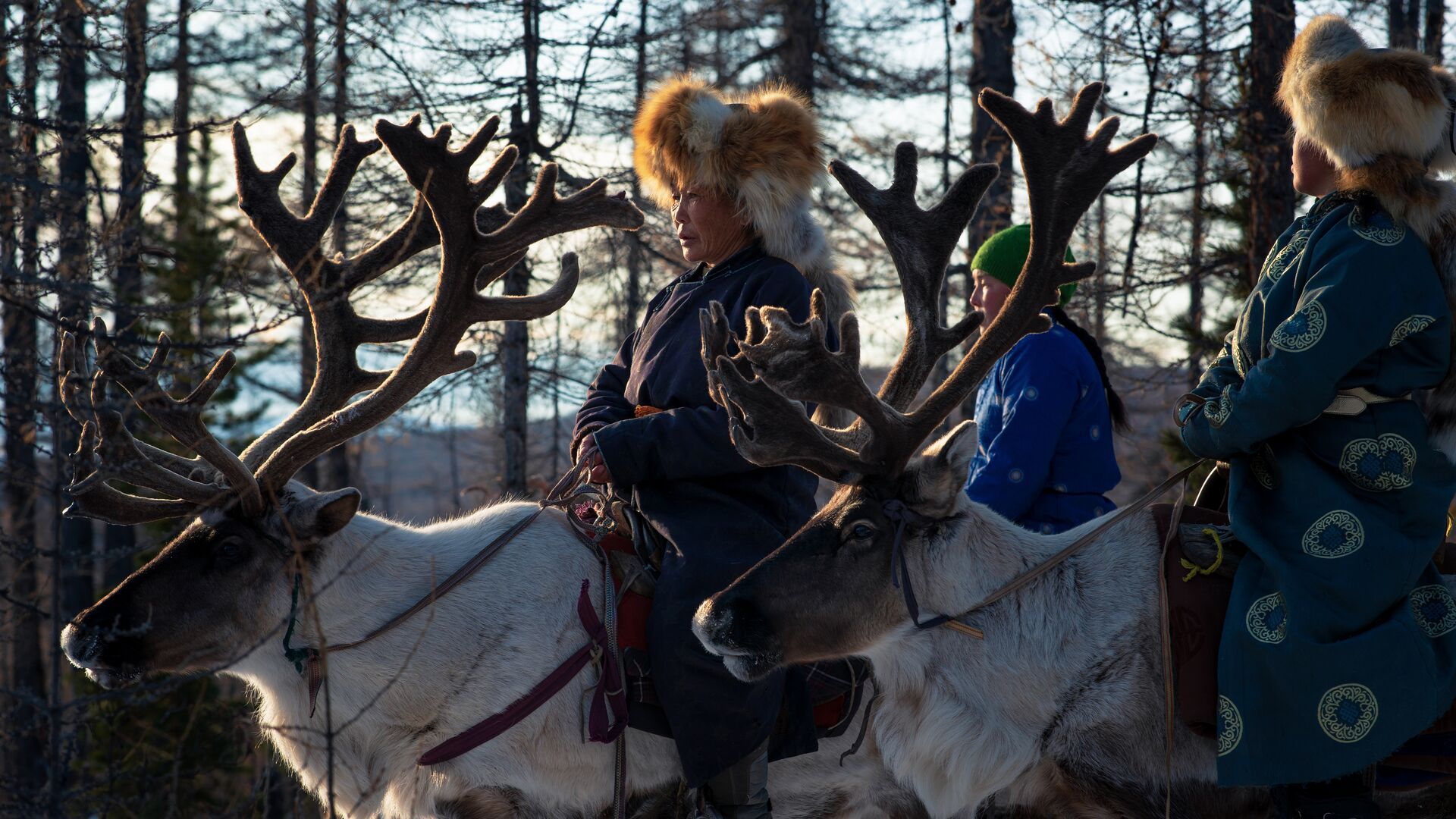
What to expect from the homestay
The Tsaatan move four times a year, according to the seasons. In summer, they move to the coolest, highest mountains to avoid the heat. ‘Reindeer don’t sweat,’ says Timur. ‘They cool themselves down like dogs, with their tongues hanging out.’ In the winter, the Tsaatan move closer to fixed settlements, which makes it easier for schoolchildren to travel between school and the camps.
On the Mongolia Expedition, you’ll spend three days off grid, living with the Tsaatan and sleeping in their ortz. You’ll help with daily camp activities, including milking, herding, preparing firewood, fetching water and singing traditional songs.
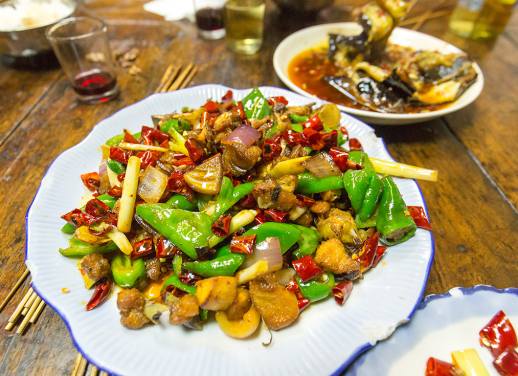
‘Travellers should expect a spontaneous, simple, nomadic way of life – reindeer herding in the most remote, hard-to-get-to corner of Mongolia,’ says Timur. ‘The Tsaatan are very nice people. Their lifestyle is amazing; even as a Mongolian, I was amazed. And the Tsaatan people will cook us food; mainly beef. They make their own bread and cook some vegetables, too.’
More than anything, these three days are a chance to ground yourself in the Tsaatans’ nature-first, sustainable lifestyle. ‘The base of any nomadic philosophy is, “Do not touch the land,”’ says Timur. ‘The land is the holy temple. They let only the animals touch the land and they make a living from the animals.’
The experience of living with the Tsaatan contrasts significantly with more manufactured tourist activities in the area. Around the popular beauty spot of Khovsgol Lake, it’s common for groups to bring reindeer for photo opportunities – a practice that, as well as being inauthentic, is harmful to the animals.
Read more: 14 new trips and experiences in Asia
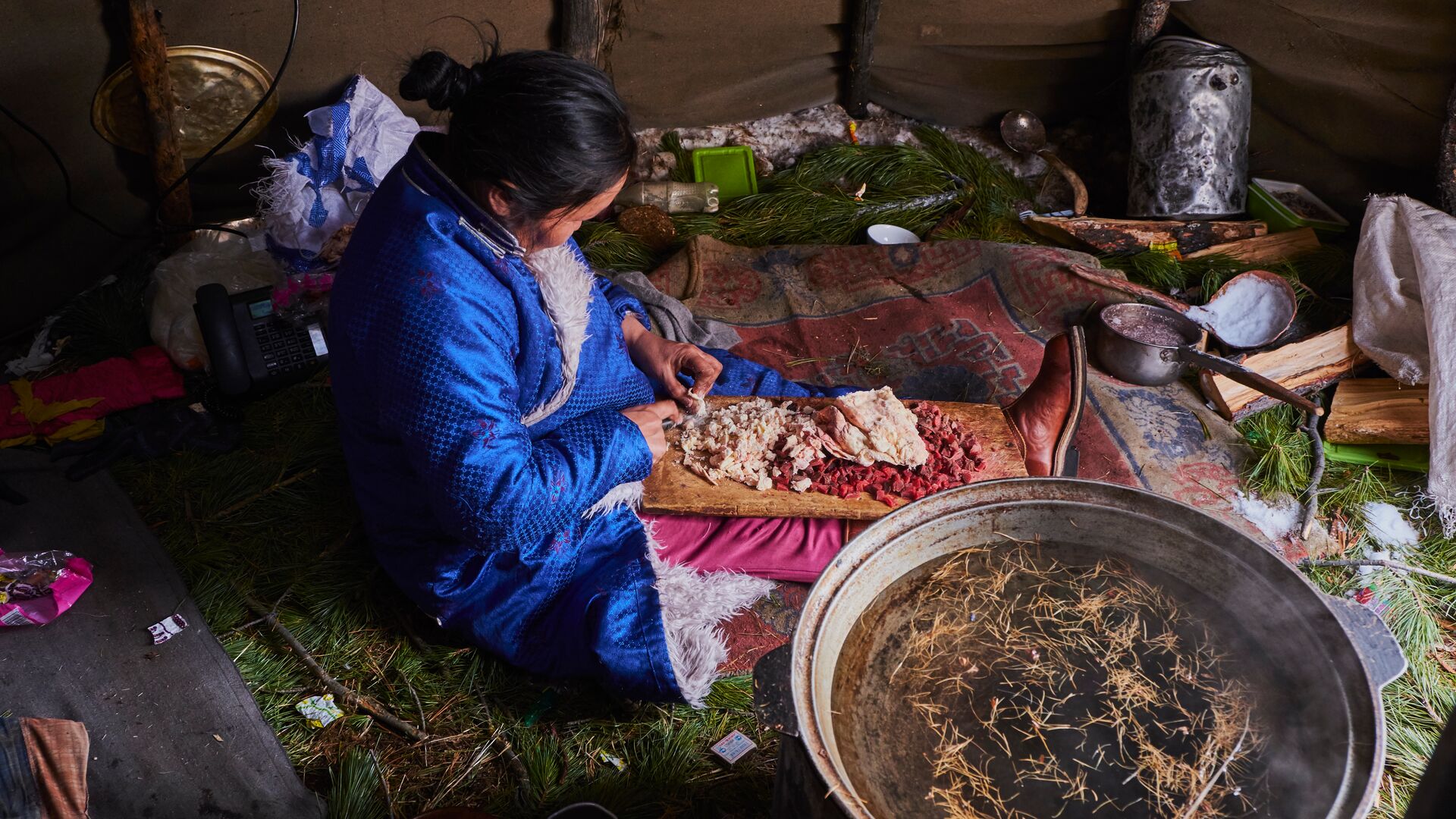
How the Tsaatan live in the modern age
The Tsaatan, meanwhile, have stayed true to their roots even as technology and globalisation march on. This is thanks in part to the Mongolian government, which pays a monthly allowance to each Tsaatan to encourage them to maintain their lifestyle.
Like any other nomadic people in Mongolia, they do have some modern devices for convenience: satellite dishes, solar panels, cars, motorcycles and internet banking. ‘These add a bit of comfort to their life and a bit of connection with the rest of the world,’ says Timur. ‘Otherwise, they live on their own in geographical isolation; they’re not deeply affected by modernisation as it’s so hard to get to them. So, I’m not deeply worried about their future.’
Timur says that – so far – the Tsaatan are relatively unaffected by climate change. ‘Their land is in the high mountains and no logging activity takes place at all. It’s just left to them, still untouched; nobody disturbs them except a few border patrols and some military units. It’s almost negligible in terms of cultural or physical influence.’
‘The sustainability and ecological sense of nomadic people is great,’ he adds. ‘They’re physically fit and mentally healthy. Their life is dictated by the weather and the climate. That’s the only stress they have – but they can cope with that.’
Stay with the Tsaatan on Intrepid’s Mongolia Expedition: Reindeer Herders and find out what else is new for 2026 with The Goods – a collection of new trips and experiences to inspire a year of adventure.