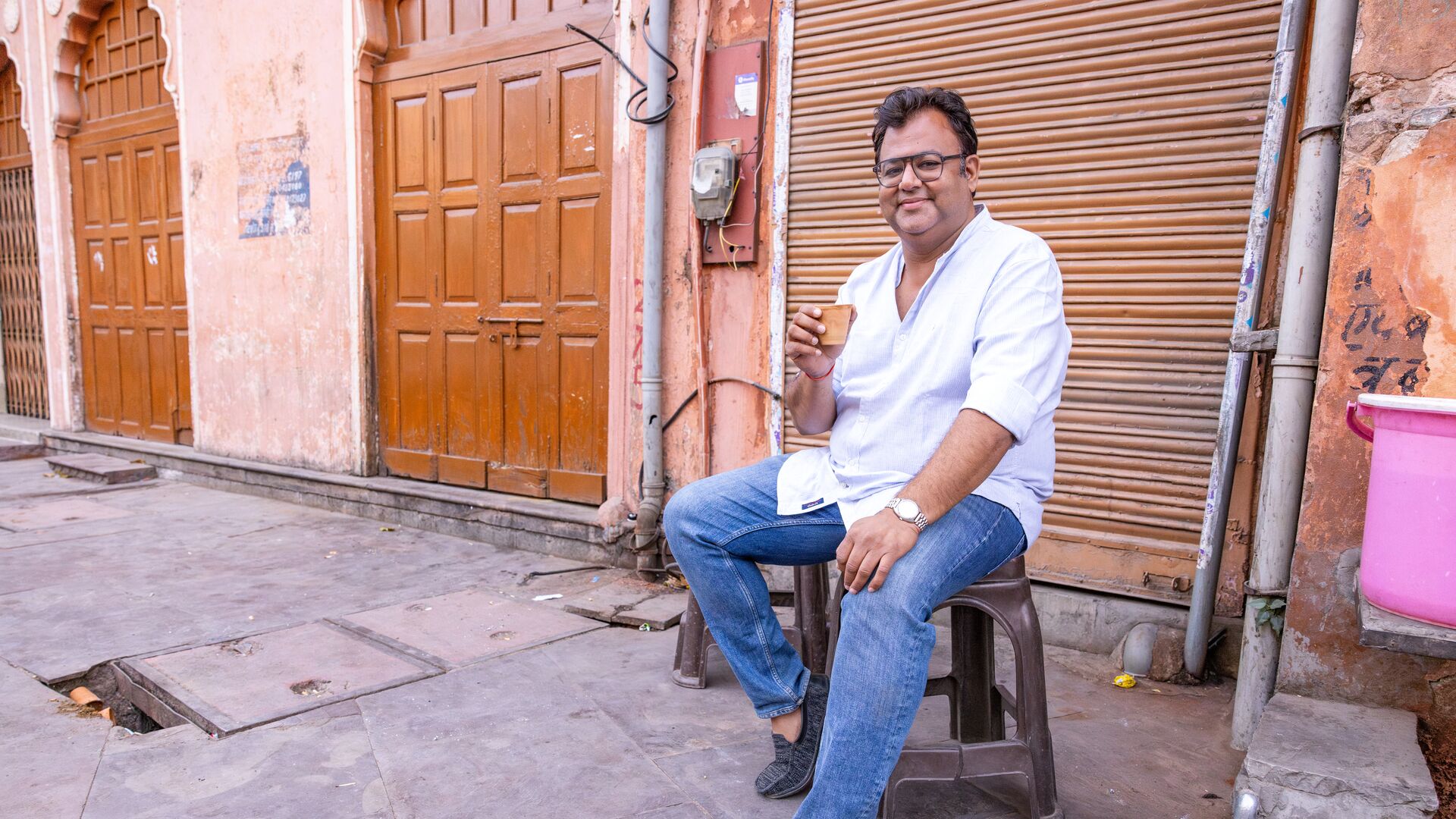
Intrepid expert, Saurabh Joshi, also known as Chai Lord on Instagram believes drinking chai together is a big part of any Indian adventure.
Saurabh got his first taste of India’s chai scene as a child in the northwestern city of Jaipur in Rajasthan.
‘My father was a cricket coach and I used to go with him to sessions. Whenever he would return, he would stop at chai shops to catch up with other cricket coaches,’ he recalls. ‘That was my introduction to having chai outside of my home.’
Saurabh goes on to add that this ritual has stayed with him. ‘I [still] drink one chai every day outside of my house or office, just because I want to live in that environment,’ Saurabh says. ‘I don’t even need company… you just go and see the theatre for five minutes.’
For many locals in India, chai is more than a hot drink – it’s a big part of family and social life.
Saurabh doesn’t drink alcohol, so as an adult, meeting up for chai is kind of like having a beer with friends. ‘It’s just like going to a pub,’ he says. He says there’s something ritualistic about sipping on the hot drink and it’s a great way to enjoy people-watching solo, too.
Chances are you’ve sipped on a chai (latte) before, but for Saurabh and many locals in India, chai is more than a hot drink – it’s a big part of family and social life.
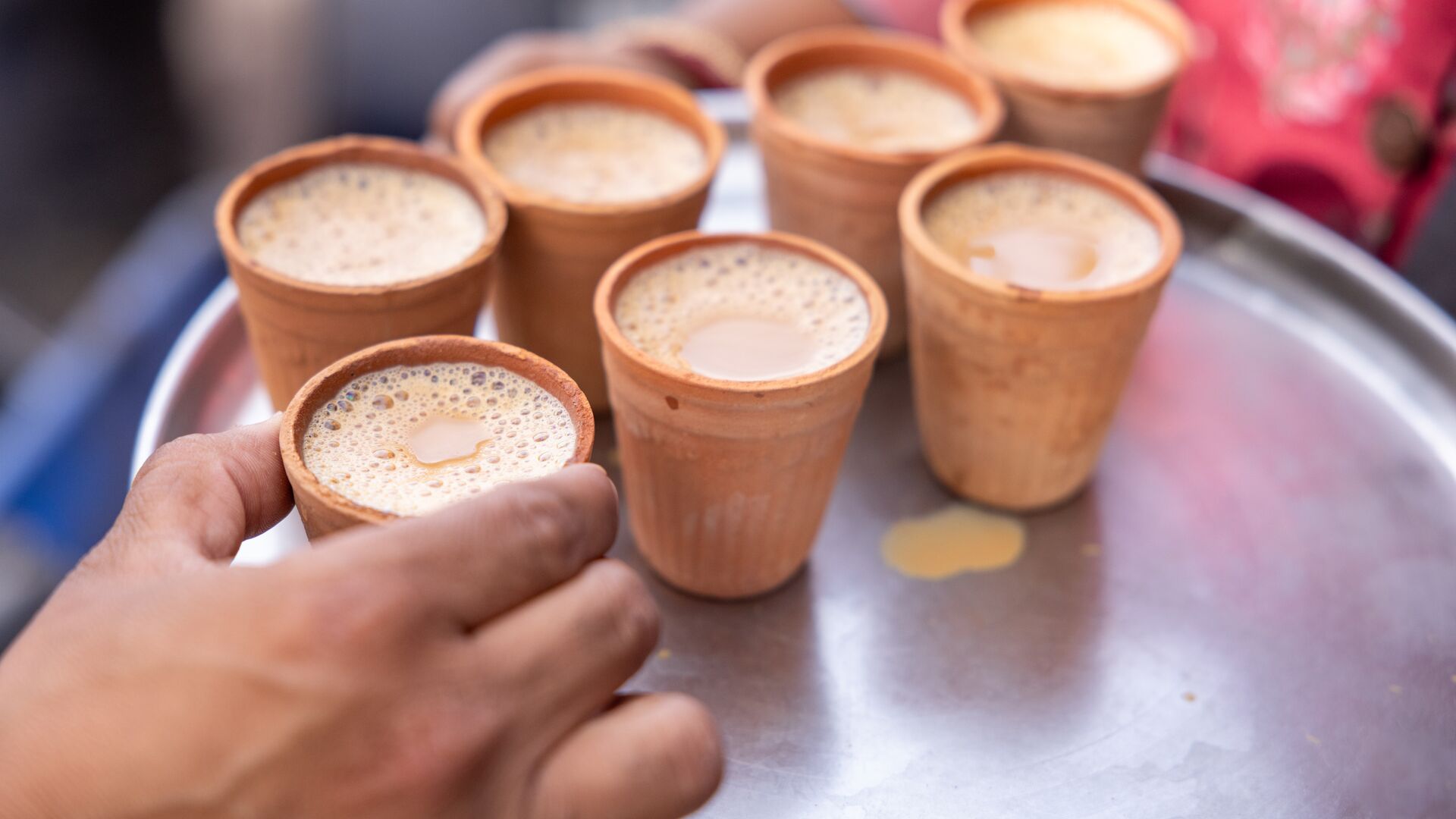
He explains that chai is the great unifying force – it brings people from different walks of life together. The comfort and simplicity of the drink makes it a memorable everyday experience. ‘There’s no frills around it, no pretense,’ he says. ‘It’s a drink for half a dollar.’
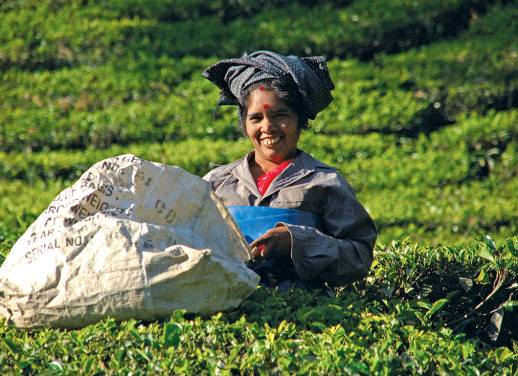
There are many kinds of chai made from ingredients from all over India. In the northeast, Assam chai is a stronger blend. In the West Bengal region, Darjeeling – a black tea – is common. Tulsi chai is known for its health benefits, brewed with holy basil. These are just a few varieties; depending on where you go, there will be a chai unique to the place and the people.
Masala chai is made by adding spices, such as green cardamom and fresh ginger to black tea while it’s brewing. It brings together elements from every corner of India. ‘The spices come from down south; the tea is coming from the northeast; the milk is coming from Gujarat and Punjab,’ Saurabh says. ‘It’s probably the most Indian thing you could have.’
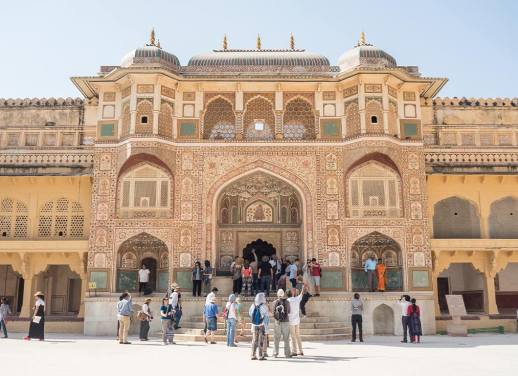
Read more: Here are five cities you should visit in Rajasthan
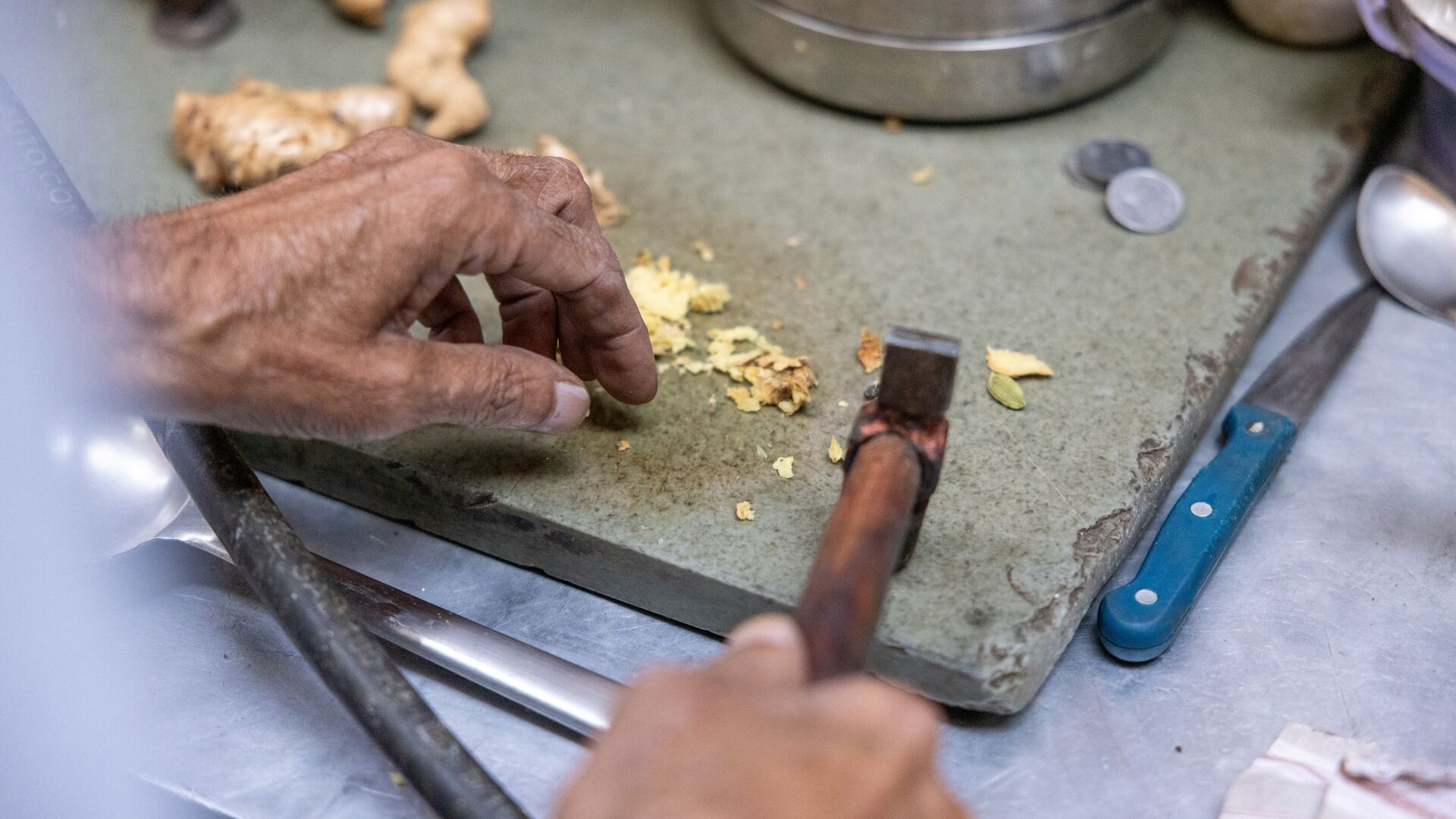
For Saurabh, making chai is an important form of self-expression. His Instagram moniker, Chai Lord, is inspired by Osho, an Indian philosopher and spiritual leader, renowned for his teachings on the establishment, human psychology and spiritual experience.
‘[Osho] says that the real form of God, he sees in creativity… For me, [when] I prepare my chai, it’s like I’m living my creativity.’
Saurabh says the markers of a good chai are a strong body and then perfectly balanced elements. ‘You want an equal amount of milk and water, and a good mix of spices,’ he says.
For me, when I prepare my chai, it’s like I’m living my creativity.
What’s more, patience is a virtue, and freshness is essential. ‘It should be well brewed. We don’t make a quick chai – it should take time,’ Saurabh says. ‘It should be served fresh every time… You do not reheat chai or reuse the mixture of spices.’
There are also seasonal and regional considerations to get it just right. ‘Sometimes when it’s too hot, people try not to add too much ginger, because it heats your body,’ Saurabh explains. ‘Instead, they add green cardamom, which adds freshness and sweetness to the chai.’
‘When you go to the hotter places next to the coastal areas, you don’t find too much spicy chai over there,’ he says ‘because of the humidity. They make it simple, just like a tea with very subtle spices, and in winter, we have cinnamon and black pepper.’
Read more: Ace your first trip to India with these expert tips
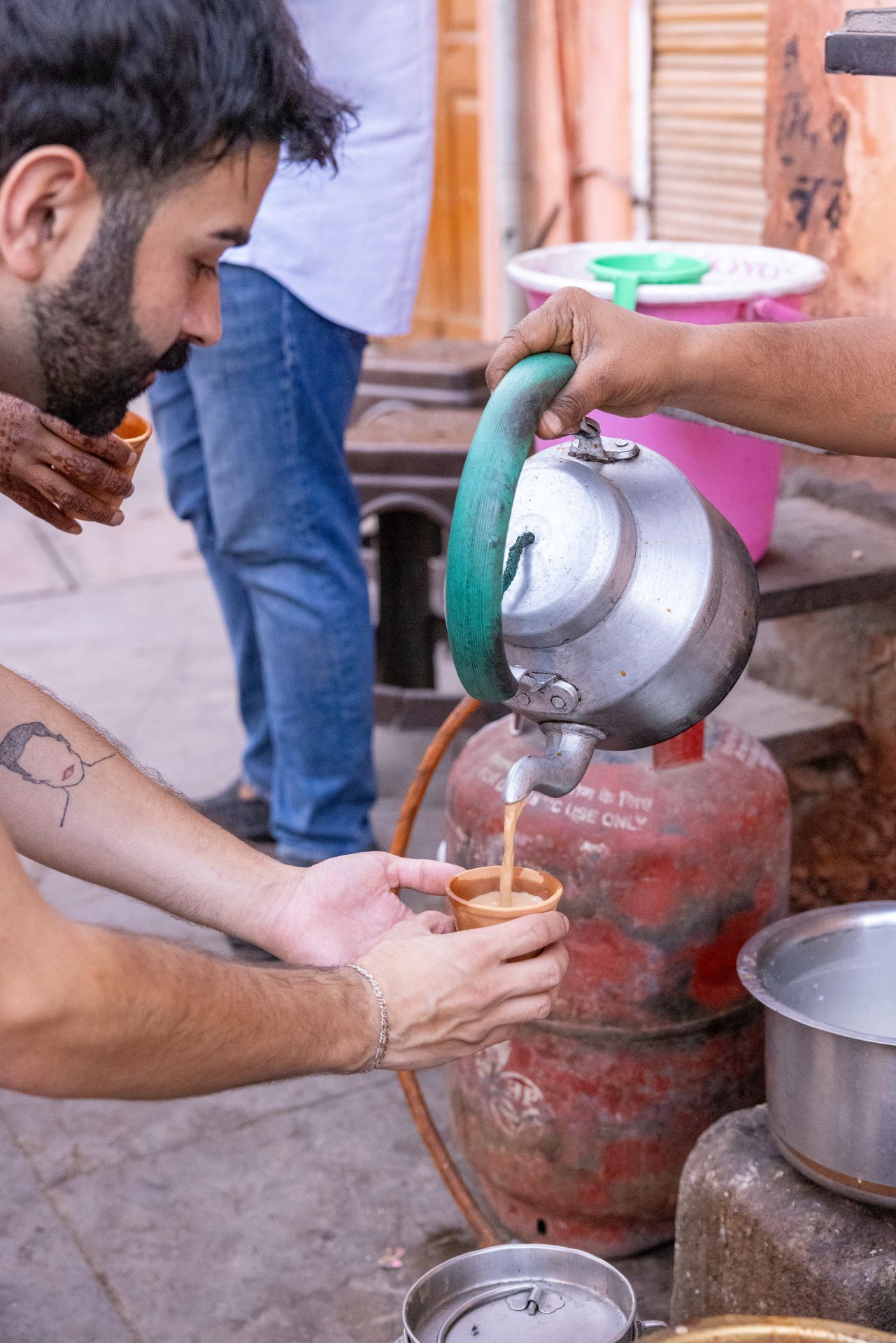
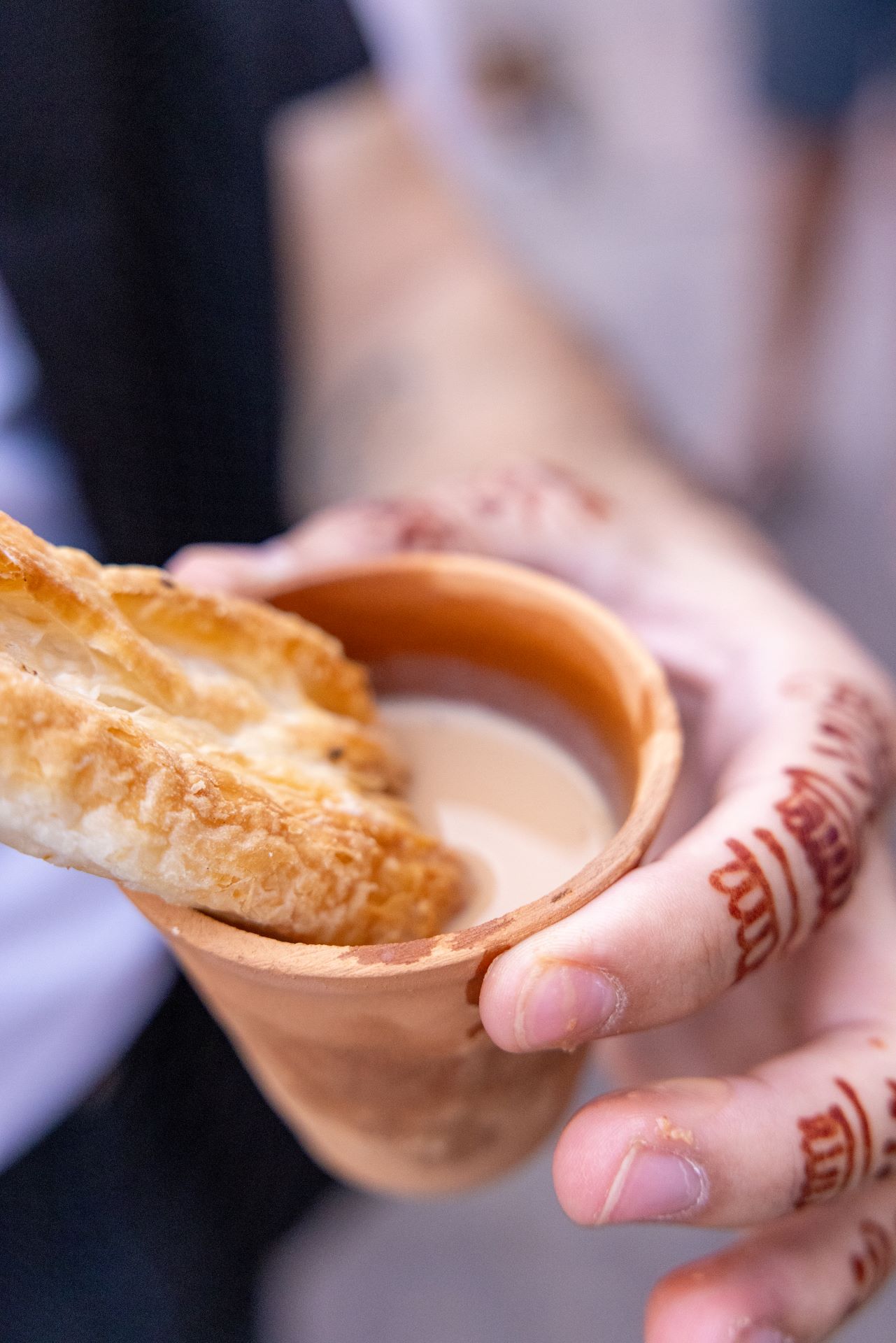
Through this work and chatting with locals, Saurabh has discovered new favourite spots or chai wallahs in different cities.
Each spot is rich with its own personal history. ‘There’s one in Jaisalmer, where an old man has been serving tea since the 1980s, so I go to him now when I’m there,’ Saurabh shares.
‘In Jodhpur, there’s a tea shop called Chandu Ba – his grandfather was a refugee during India’s partition. He came from Pakistan, so they make Irani chai, which is very different but they’ve ‘Indianised’ it – they simmer the tea with spices and reduce them.’
Visitors always find something to appreciate in the ritual of drinking chai, circling back to Saurabh’s early memories of chai to connect with others. ‘Chai does actually help me a lot in terms of bonding – even if people don’t like tea, they just like the whole experience of it,’ he says. ‘That’s what chai does. It brings people together.’
Experience of India’s national drink with a chai tasting on the Classic Rajasthan trip.