India’s most memorable moments are often found away from the major landmarks. Here’s how to connect with the country through its food, traditions and local people.
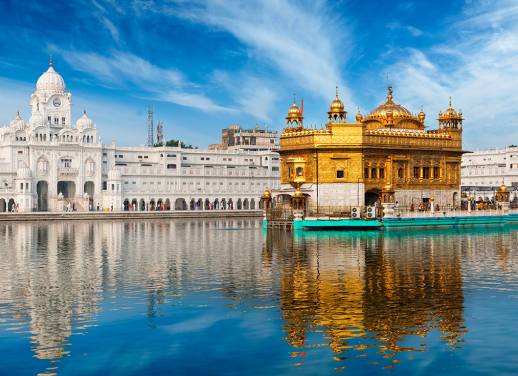
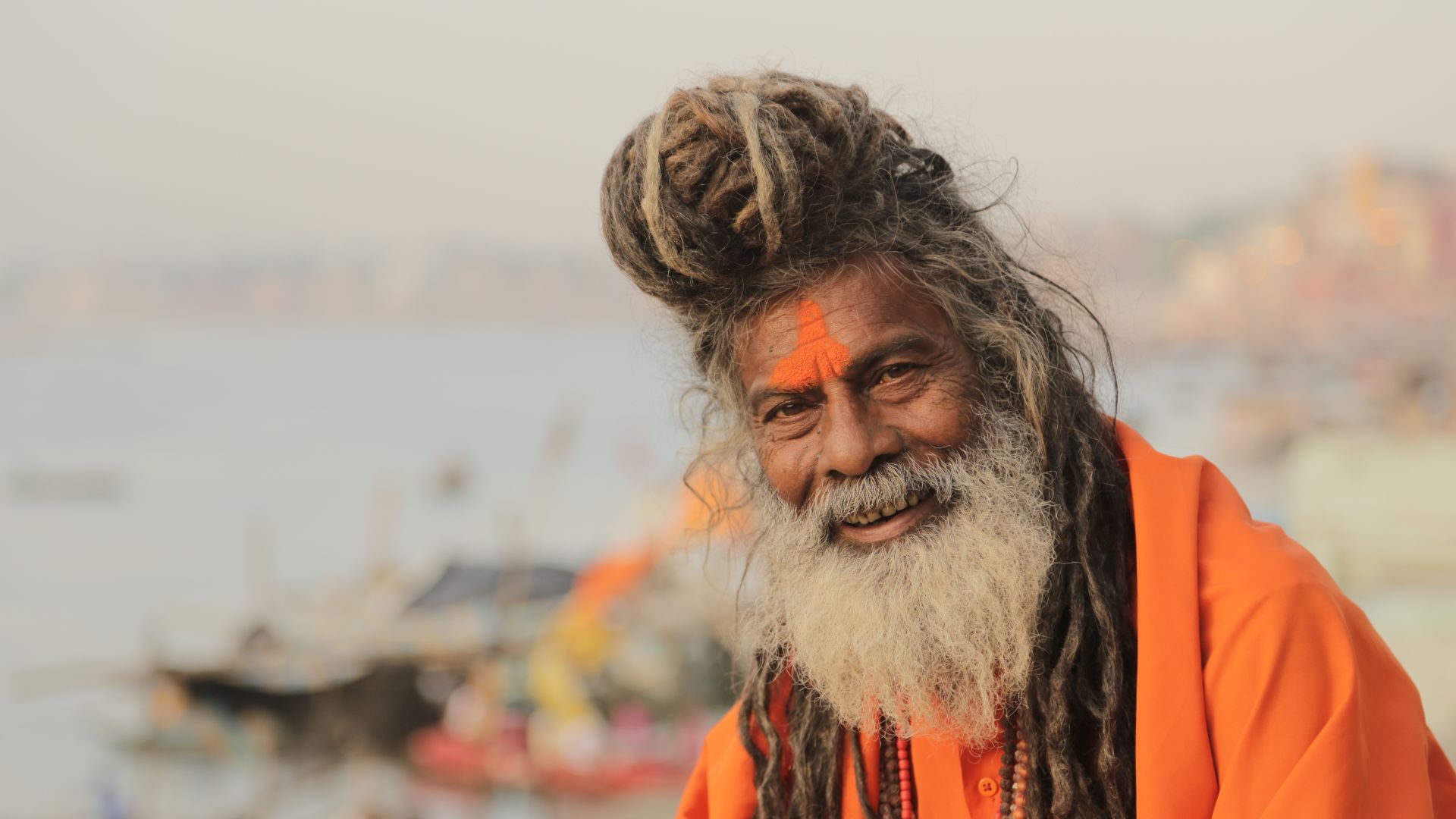
The very mention of India brings the usual images to mind: the Taj Mahal, busy streets, Bollywood, spirituality – including the saffron-swathed, ash-smeared sadhu holy men of the Kumbh Mela Hindu pilgrimage. But behind this, there’s a deeper cultural layer to this kaleidoscope country.
Zoom in, and you’ll notice that India prides itself on regionality – from food and language to clothing. Speak to locals and they’ll tell you how even the smallest rituals, such as drawing a rangoli pattern outside homes during festivals, have deep-rooted meaning, rich in nuance.
As local Intrepid leader, Madan Singh, who regularly guides small-group adventures in India, says: ‘The real India isn’t found at monuments, it’s found in the pauses in between.’ Here are just a few ways – from Ganges walks to rickshaw rides – to help you connect with everyday life in India.


Enjoy an evening Ganges walk
Varanasi’s ghats have long been a draw for photographers. But beyond the magnificent lamp-lighting Ganga Aarti daily ritual that takes place at dusk on the Ganges, it is walking and observing the pace of life in the capital of Hinduism that makes it even more captivating. Experience this on Intrepid’s Indian Getaway adventure, which takes in the city on leader-led walking tours as well as boat journeys down the sacred river.
Intrepid’s local leader, Ankita Jaiswal, who grew up in Varanasi, loves leading groups on walking trips in the city. ‘A simple yet deeply powerful ritual is the lighting of lamps at dusk,’ she says. ‘While taking a walk in the markets, the temple bells begin to ring, incense fills the air and shopkeepers pause to wave prayers at their doorsteps, welcoming happiness and prosperity. For a moment, even the busiest streets seem to slow down.’
Read more: A rickshaw ride in India that puts women in the driver’s seat
Get to know the city from a rickshaw driver
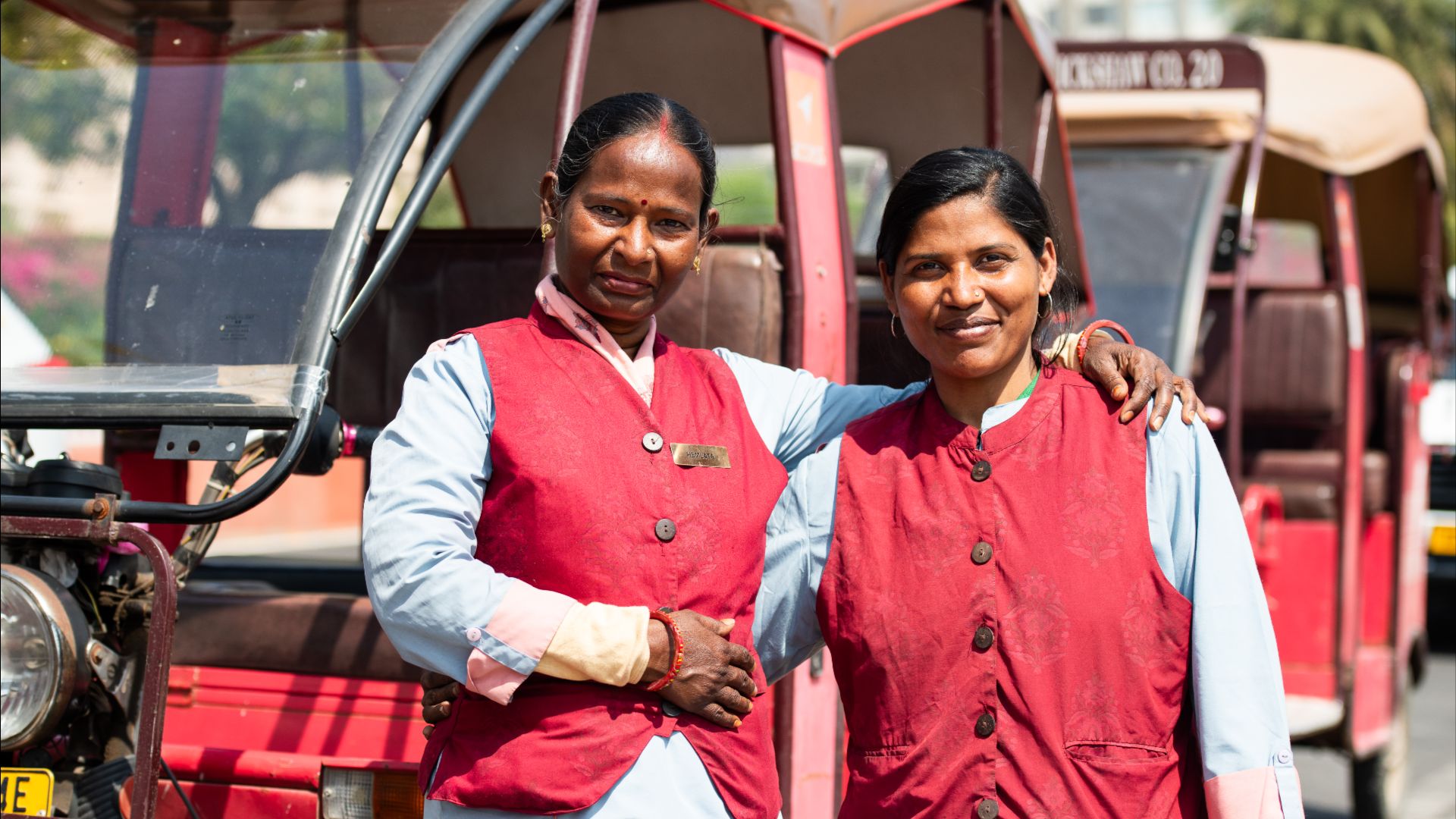
An auto rickshaw ride in India feels like a novelty and an exhilarating experience for travellers. But for residents, it’s an economical way to get around, as they sit at the sweet spot between crowded public buses and more expensive taxis. It’s worth noting, they’re not called tuk tuks in India – but rickshaws or autos – so make like a local and refer to them as such.
On Intrepid’s India Golden Triangle Family Holiday Comfort trip, you’ll head into Jaipur for a ride with The Pink City Rickshaw Company, a not-for-profit creating employment opportunities for women from low-income households. It’s a chance to see the city’s highlights in an authentic way, while getting to know your driver and hearing their story as you zip through the streets.

Watch a Bollywood movie in a 1970s cinema
Dancing to Bollywood tunes at an Indian wedding is great fun. But there’s equal joy in watching a Bollywood film with locals, too. At Jaipur’s Art-Deco masterpiece, the Raj Mandir Cinema, for example, the main cinema hall itself is striking, with its intricate pastel patterns and architectural nods to the glamorous 1970s Bollywood era.
But once inside, the lights dim down and, depending on the film you’re watching, the drama really intensifies; you can expect plenty of whistling, popcorn throwing and claps and cheers when the audience’s hero appears on screen. You may even witness a dance break or two, so it’s definitely something worth seeing to gain a greater understanding of local Indian life.
Read more: A glimpse into the culture of India’s national drink


Taste chai on a tea plantation
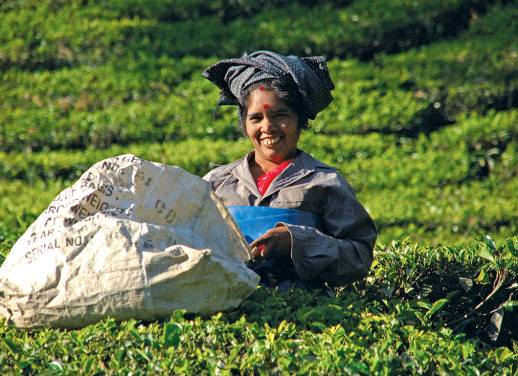
India’s beloved chai (black tea brewed with herbs and spices) is a true labour of love and something locals love to enjoy along with a portion of pakoras (crisp fritters loaded with veggies and spices) when it rains. While ubiquitous in cities and towns, the best place to start is with a visit to the source: a tea plantation in the rolling estates of Kerala.
Local expert, Kuldeep Pujari, who leads tea-sipping trips on Intrepid’s Premium South India Adventure, which visits Munnar’s plantations, says, ‘It’s a deeply meaningful experience, giving travellers a hands-on opportunity to participate in farming activities, especially during harvest season. Picking tea leaves in plantation regions allows guests the chance to understand the full journey – from terraces to terracotta cups. These experiences create a much stronger cultural connection and offer a rare glimpse into the agricultural backbone of India.’
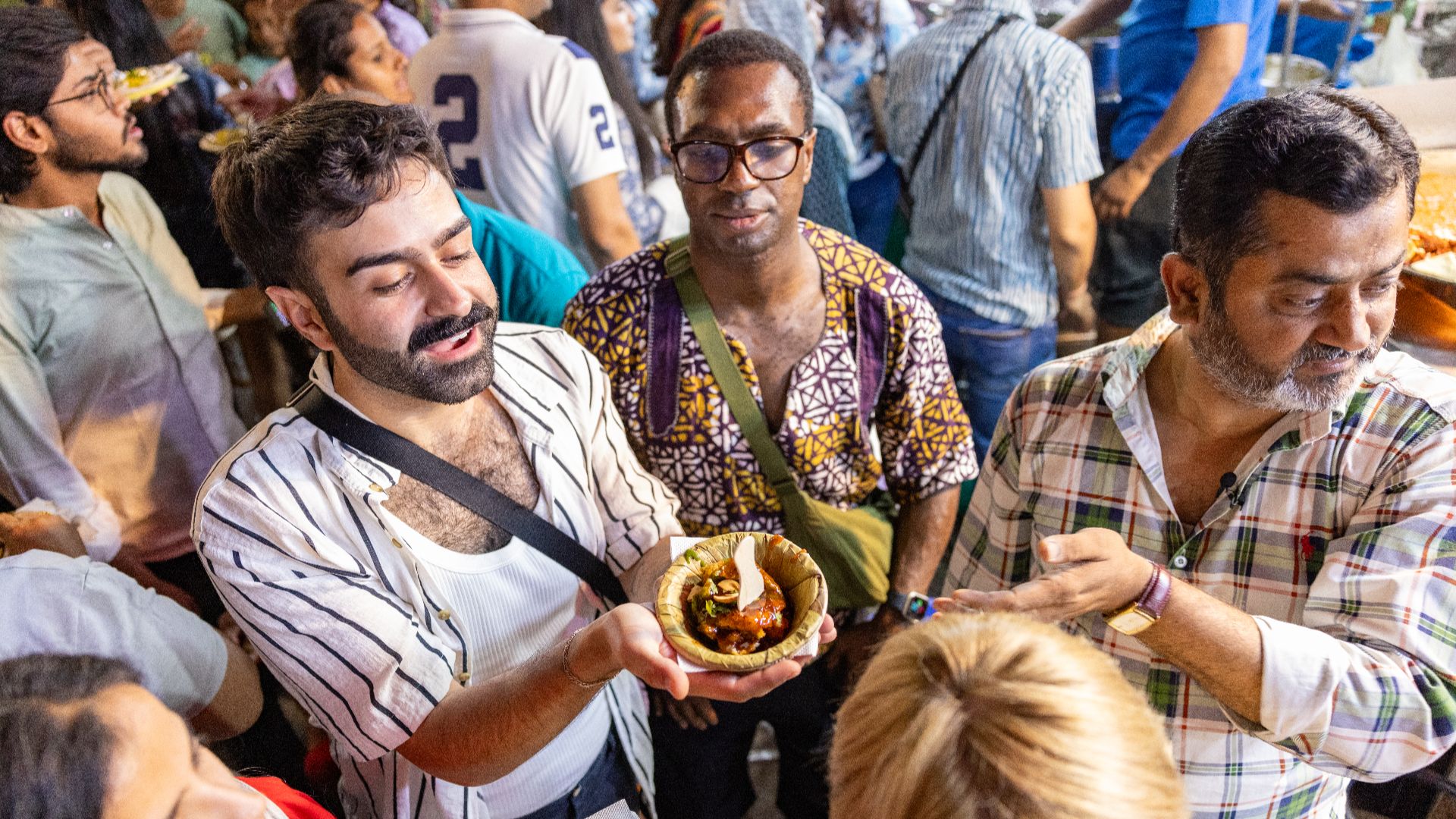
Sample street food while learning about traditions
Street food in India is best experienced with someone who knows where to go and what to try – from chaat, samosas and kachoris to sweets, lassi and chai.
Beyond flavour, food in India carries deeper cultural meaning. Mahaveer Singh, a local guide, explains that ‘the first transaction of the day is very auspicious and brings hope for a prosperous day. So, you will often see shopkeepers or stallholders blessing the item they are selling you – and giving thanks and blessings when they receive the payment. It is a special feeling to know that you are the first customer of the day.’
Read more: Where to go in India based on your travel vibe
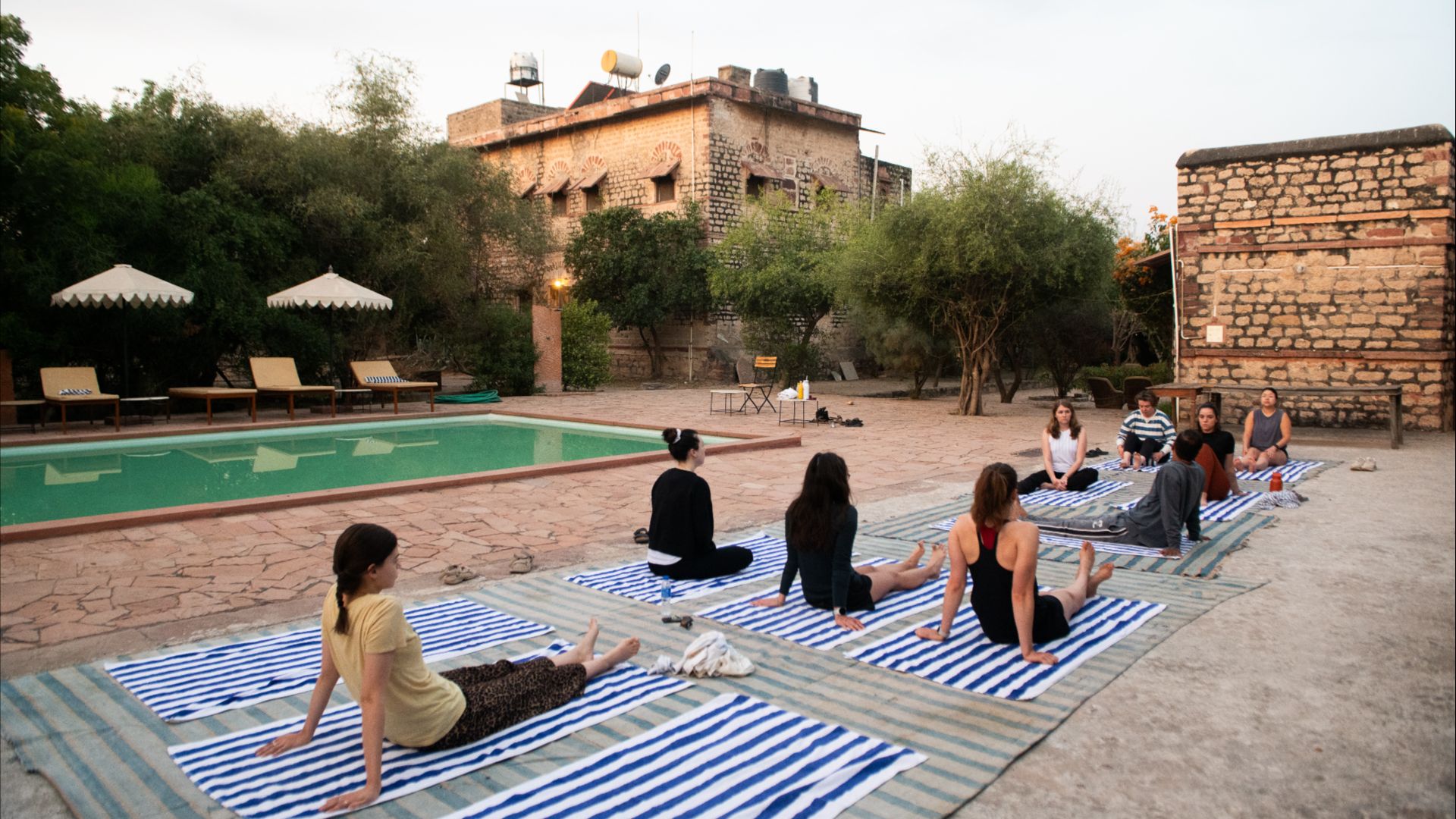
Take a yoga class alongside local teachers
Modern forms of Westernised yoga focus mainly on the physical benefits of asanas, such as improved flexibility, posture and body strength. However, in India, yoga is viewed more as part of a holistic way of life and a daily ritual for locals – a route to self-discovery and inner strength, rather than something purely physical.
High in the Himalayas, Rishikesh is a great place to learn about this heritage and take a yoga class, as you can meditate in the foothills of India’s mighty mountains and take in every bit of this beautiful city, while feeling enriched both physically and mentally.


Experience traditional crafts with artisans
As a visitor, you might simply see a sari. But within that fabric are years of history and art passed down from generations. A woman wearing an elegant, intricate chikankari sari in Lucknow, for example, might be worlds apart to one wearing a double-ikat handwoven patola sari in Gujarat – though both are equally beautiful.
In villages such as Chandelao, you can meet local artisans to learn more at projects like Sunder Rang, where handmade textiles are created and traditional skills are kept alive through the generations. Later, on Intrepid’s Women’s Expedition, you can also learn art forms such as rangoli drawing and try your hand at henna (also known as mehndi), experiencing these traditions as part of village life.
Read more: How to ace a first-time trip to India
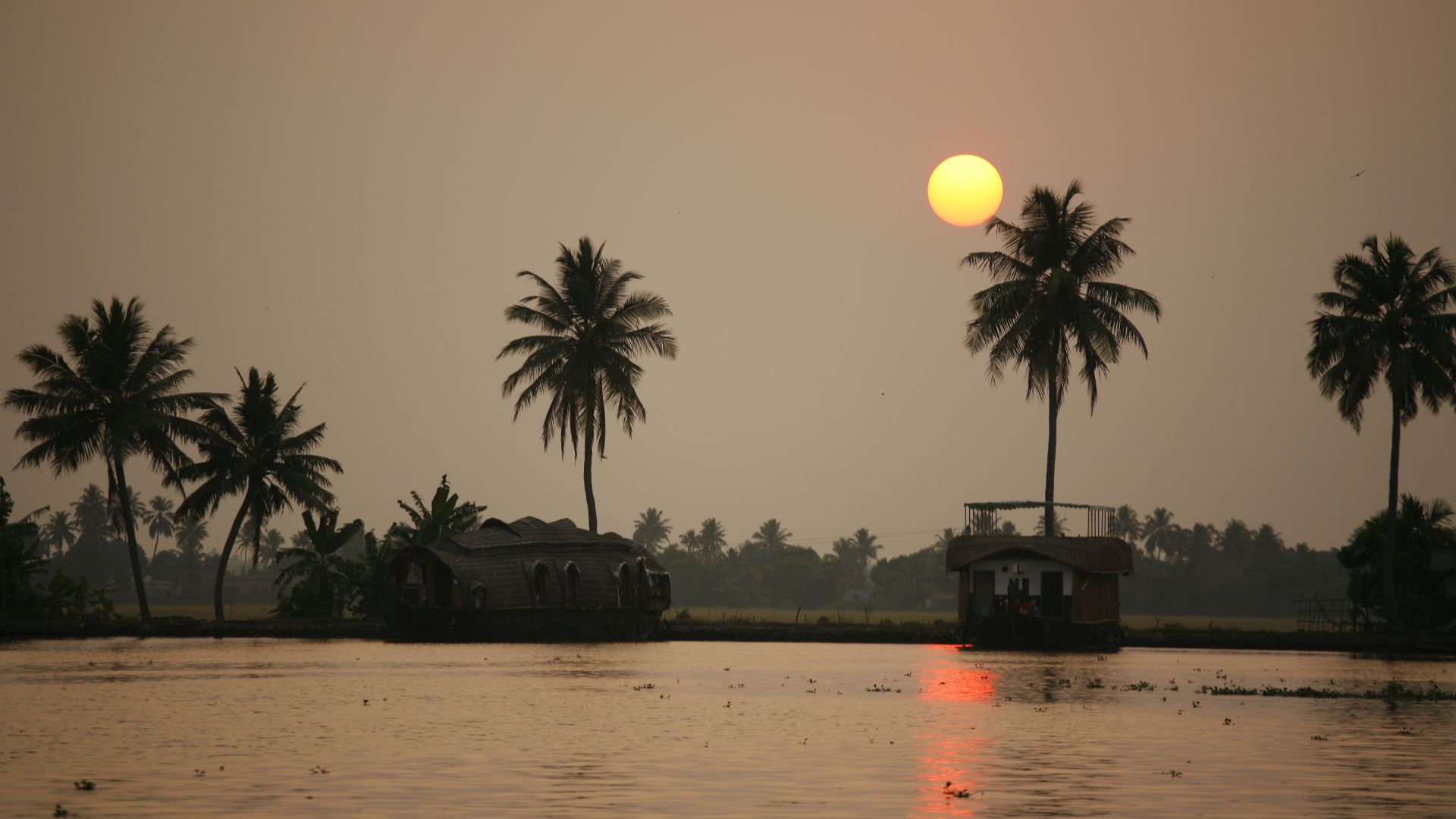
Cruise Kerala’s calm backwaters
In a world where we wake up looking at a screen and go to bed scrolling, staying in a Keralan houseboat forces you to put that phone away and relax amid the southern state’s tranquil backwaters, surrounded by paddy fields and coconut groves.
After all, scrolling through waterside life in this network of lagoons, canals and lakes is much more interesting. You’ll see fishermen gliding past on sleek vallam canoes and spot children playing and splashing about in the shallows. On a village walk with a local guide, you can also take time out to meet amiable locals and learn more about their unique way of life, especially their excellent southern cuisine.
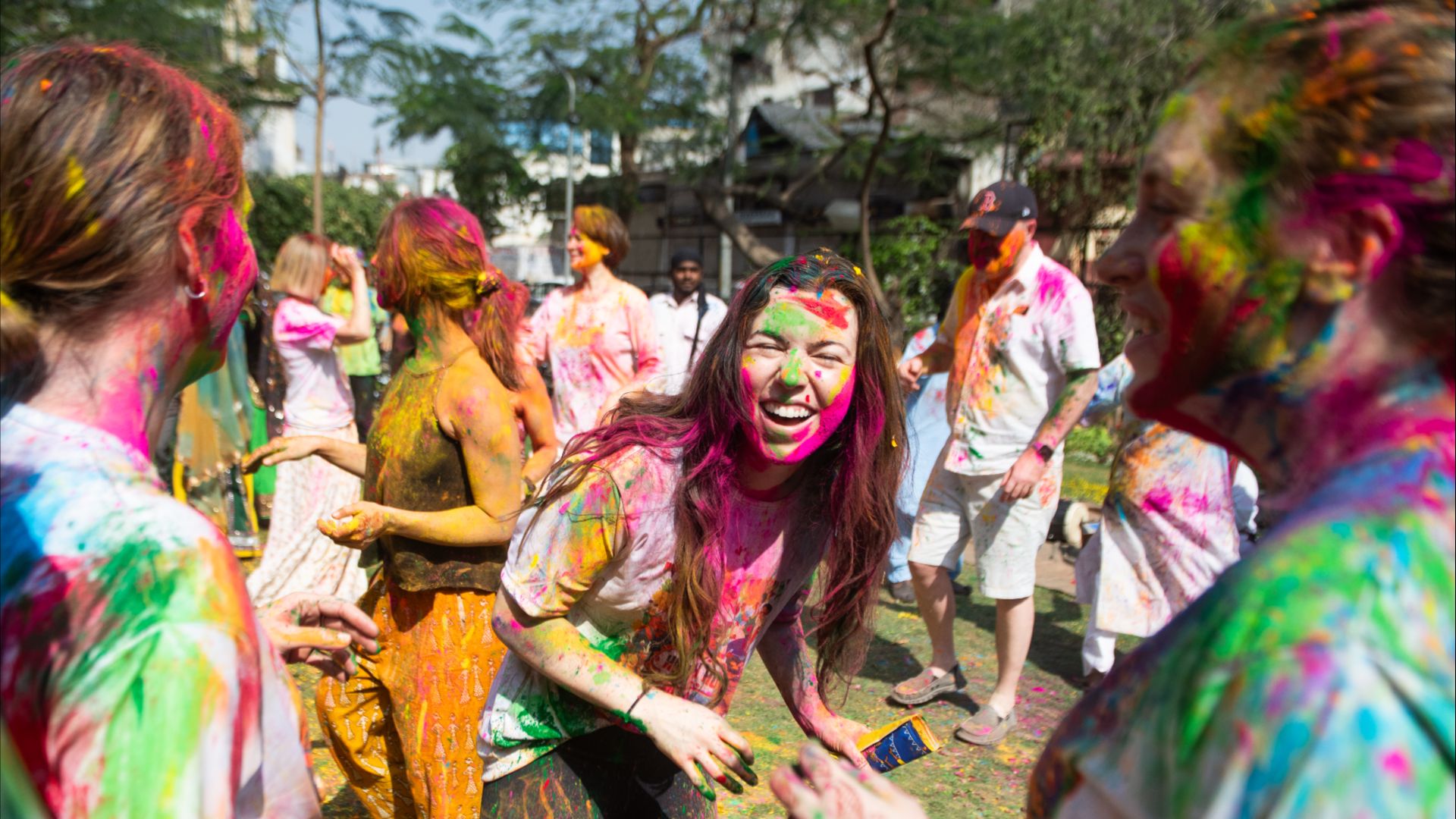
Take in seasonal festivals
Festivals in India are an incredible way to connect with local culture. While many are familiar with Diwali and Holi, beyond the major festivals, aligning your trip with smaller seasonal celebrations can be equally enlightening.
‘During Basant Panchami, which marks the arrival of spring, rooftops in cities like Jaipur fill with families flying kites, sharing food and cheering one another on,’ says Intrepid leader, Ankita. ‘These are moments that are not staged for tourists, but a snapshot of life unfolding in the way it always has,’ she adds, imbuing the experience with even more significance.


Authentic cultural experiences: How to connect
From celebrating ebullient local events to slowing life right down on Kerala’s culture-rich backwaters, it’s clear the best way to experience India authentically is alongside someone who understands its nuances and traditions.
As Intrepid leader, Bhupesh Tamang, puts it, ‘It’s the friendliness that really resonates and makes the experience of travelling in India.’ That’s why every Intrepid trip is led by a local leader to help travellers connect more deeply with the destination and have conversations with the people who call it home.
Whether meditating in a yoga session, taking part in a festival or joining a village walk, these everyday interactions often become the most memorable part of a journey – bigger than any monument (though, those are pretty special too).
Discover India’s authentic cultural experiences on a small-group trip with Intrepid.